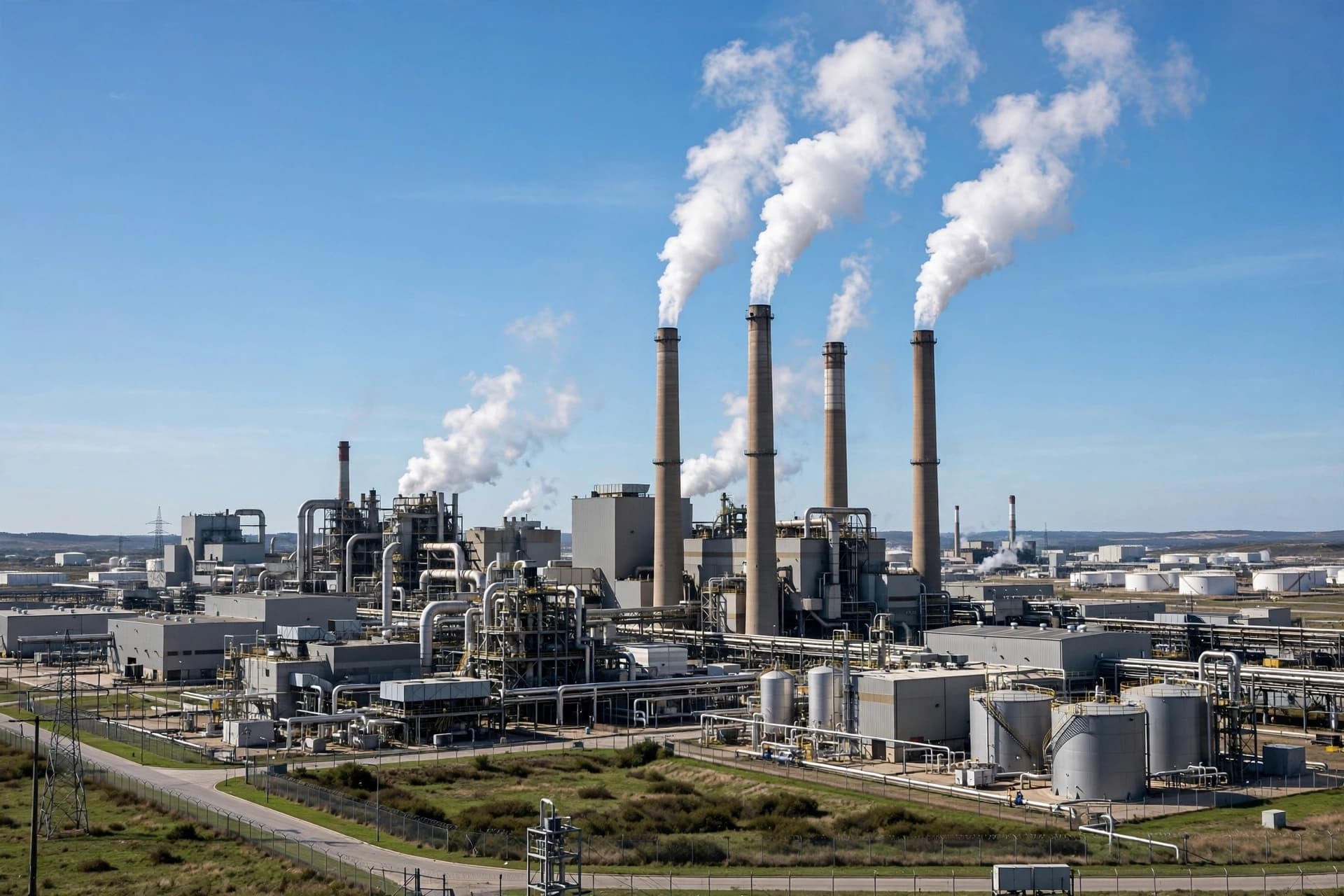
In the global effort to curb climate change, promises made in international forums often carry the weight of expectation and hope. When China pledged to halt financing for new overseas coal-fired power plants, it marked a significant shift in the landscape of global energy investment. Yet, as time passes, the reality on the ground reveals a more complex picture, where the spirit of the commitment meets the intricate mechanics of industrial demand and regulatory gaps.
The pledge, announced at the United Nations General Assembly in 2021, was widely celebrated as a turning point for decarbonization in developing nations. Since then, official state-backed financing for large-scale coal projects has indeed declined sharply. Many proposed plants have been cancelled or put on hold, reflecting a genuine effort to align with global climate goals and transition toward renewable energy sources.
However, recent analyses suggest that coal expansion continues through less visible channels. Private Chinese companies, operating independently of state banks, have stepped in to fund "captive" coal plants. These facilities are built specifically to power industrial operations, such as steel mills or aluminum smelters, rather than supplying public electricity grids. Because they fall outside traditional definitions of public utility projects, they often escape the strictures of the original ban.
This loophole has allowed coal capacity to grow in countries like Indonesia and Vietnam, where industrial demand is rising rapidly. For these nations, the immediate need for reliable and affordable energy often outweighs long-term environmental concerns. The involvement of private entities creates a gray area where accountability is diffuse, making it difficult to track and regulate emissions effectively.
Experts argue that while the reduction in state-funded projects is a positive step, the persistence of private investment undermines the overall goal. The carbon footprint of these captive plants contributes significantly to global emissions, challenging the progress made in other sectors. It highlights the need for more comprehensive policies that address all forms of energy financing, not just those backed by sovereign wealth.
The situation also raises questions about the role of international cooperation in enforcing climate commitments. Without standardized definitions and monitoring mechanisms, pledges can be interpreted in ways that suit economic interests. This fragmentation risks creating an uneven playing field, where some regions bear the brunt of pollution while others benefit from cleaner technologies.
Despite these challenges, there is momentum toward closing these gaps. Discussions are ongoing among policymakers and environmental groups to broaden the scope of coal bans to include private investments. Such efforts aim to ensure that the transition to clean energy is holistic and inclusive, leaving no room for ambiguous interpretations that delay progress.
The journey toward a low-carbon future is fraught with complexities that require vigilance and adaptation. While China’s initial pledge was a crucial step, addressing the loopholes that allow coal to persist is essential for achieving meaningful climate outcomes. The focus now shifts to strengthening regulations and fostering transparency in global energy investments.
AI Image Disclaimer: The visual elements in this article are AI-generated illustrations representing industrial energy infrastructure and do not depict specific real-world locations or facilities.
Sources: Centre for Research on Energy and Clean Air (CREA) People of Asia for Climate Solutions (PACS) Reuters Boston University Global Development Policy Center Euronews
Published by Banx Network. This article is part of the Banx decentralized media programme, powered by the BXE token on the XRP Ledger.