Modern medicine produces an extraordinary amount of information. Clinical records describe a patient’s history, genomic data can reveal biological clues, and research databases preserve findings that may eventually inform new treatments. Yet information can lose much of its value when it remains scattered across separate systems.
Saudi Arabia is exploring one possible response through a proposed collaboration between King Faisal Specialist Hospital and Research Centre and Oracle Health. Announced on October 1, 2026, the initiative aims to examine how clinical, genomic, and research data could be connected within a more intelligent healthcare ecosystem.
The announcement described a shared interest in building a system that continuously learns from connected information. The proposal would draw on the hospital’s clinical and research capabilities alongside Oracle Health’s cloud, data, and artificial intelligence technologies.
One objective is to provide clinicians with timely insights that could support decisions during patient care. In principle, connecting relevant information may help healthcare professionals see patterns that are difficult to recognize when records are separated between different platforms. The technology would support clinical judgment rather than replace the expertise of medical teams.
The proposed ecosystem could also assist researchers working to understand diseases and discover potential treatments. Genomic information, clinical observations, and research findings can each contribute different perspectives. When handled appropriately, their integration may help researchers investigate relationships between biological characteristics, disease progression, and treatment response.
However, bringing these information sources together is a complex undertaking. Healthcare data is sensitive, and systems must be designed with careful attention to privacy, security, data quality, and appropriate access. A connected platform is useful only if professionals can trust the information it provides and understand its limitations.
Artificial intelligence may help identify patterns across large datasets, but its output depends on the quality and relevance of the information used. Results must be evaluated carefully, especially when they could influence medical decisions. Effective implementation also requires clear governance and meaningful oversight by qualified professionals.
The announcement was made at the Oracle Health and Life Sciences Summit in Orlando, Florida. The proposed partnership aligns with Saudi Arabia’s broader ambitions to expand healthcare innovation and strengthen its research capabilities. Still, the announcement describes an intention to explore collaboration, rather than confirmation that a fully integrated system is already operating.
For hospitals, the larger question is how to turn increasingly complex information into useful knowledge without compromising patient trust. Digital platforms may help create stronger connections between clinical practice and scientific research, but their value will ultimately depend on how responsibly they are developed and used.
The next steps will determine how the proposed collaboration takes shape. If the organizations proceed, the work could offer insight into how clinical, genomic, and research information might be coordinated more effectively. For now, the announcement marks an exploratory step toward a healthcare model in which information is not simply stored, but made more useful to the people working to improve patient outcomes.
### Image Disclaimer
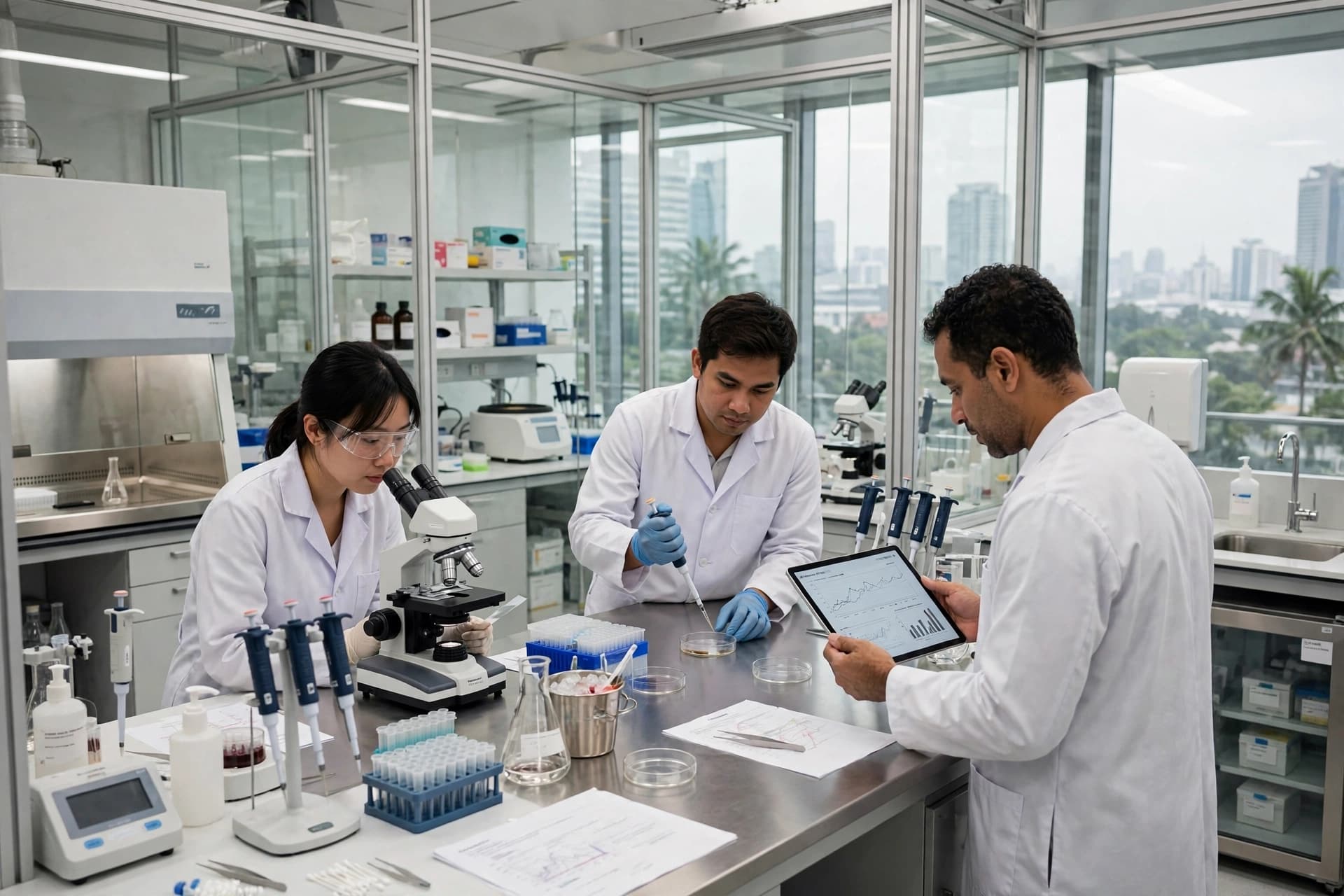
The illustrations are conceptual representations of connected healthcare data and AI-supported medical research. They do not depict an operational system, actual patient records, or confirmed clinical outcomes from the proposed collaboration.
### Sources
• King Faisal Specialist Hospital and Research Centre
Published by Banx Network. This article is part of the Banx decentralized media programme, powered by the BXE token on the XRP Ledger.