In the long, cool hush before dawn settles over the Arabian Desert, the first faint rays of morning light brush the sand and the distant shimmer of the Gulf. Date palms stand still, and the soft whisper of wind traces the quiet symmetry of high‑rise skylines in Riyadh and Abu Dhabi. In such moments — when time flows easily, unbothered by the urgency of human affairs — the world appears at its most ordinary. Yet beneath that quiet surface, the pressure of history, alliance, and apprehension has begun to shape new motions, like currents beneath a mirrored sea.
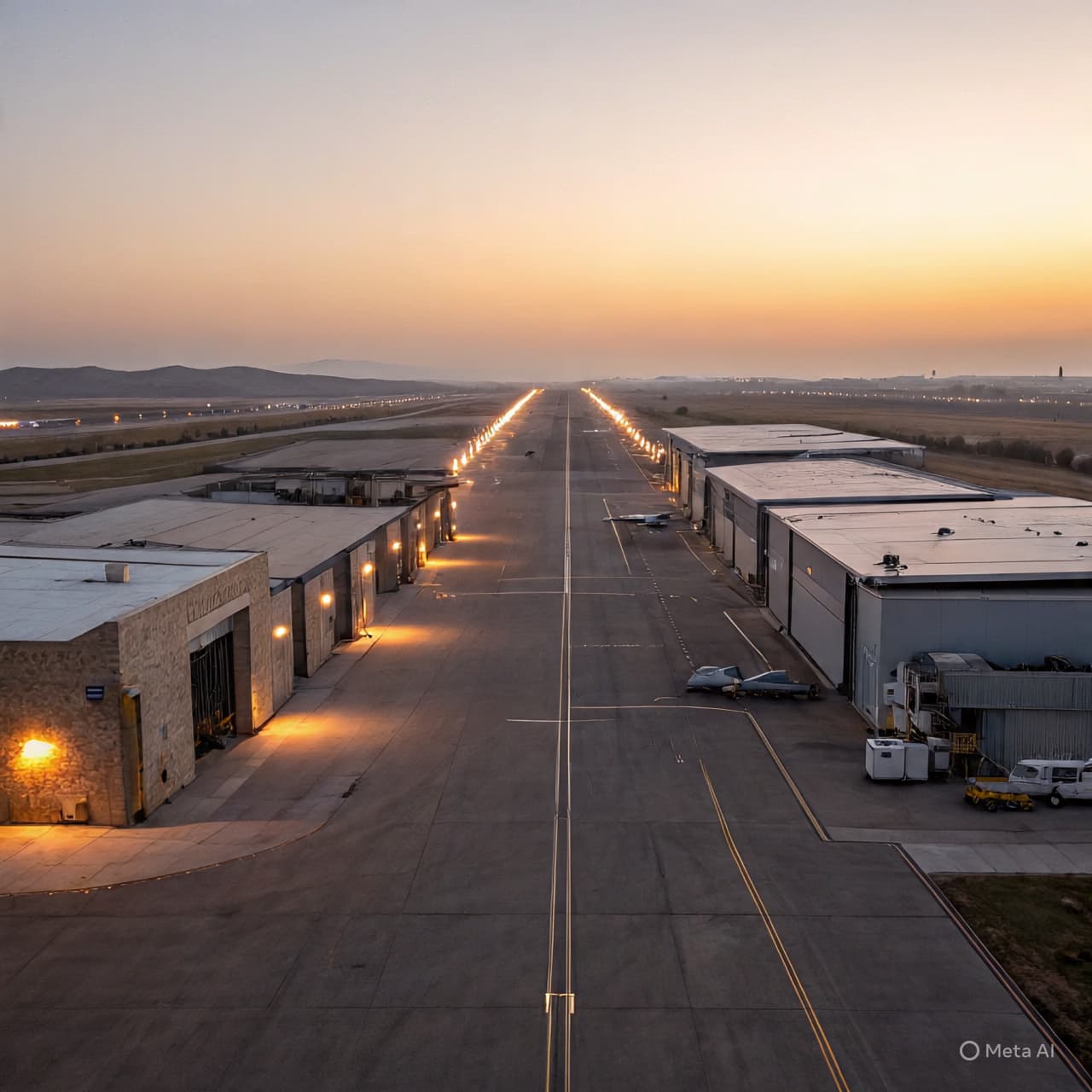
Whispers in diplomatic circles and shared confidences in defense briefings these past days suggest that two of the Gulf’s longest‑standing guardians of stability are pressing closer to a chapter once deemed unthinkable: active participation in the war with Iran. According to reports from The Wall Street Journal and other correspondents, Saudi Arabia has opened its King Fahd Air Base to U.S. forces, reversing its previous assurances of neutrality amid the sprawling conflict that began with U.S. and Israeli strikes on Iranian targets. At the same time, the United Arab Emirates has taken measures targeting Iranian‑linked institutions, including closing a hospital and other facilities, in what observers describe as calculated moves away from cautious distance toward more definitive alignment with the U.S.–Israel bloc.
To long‑time residents of the peninsula, such shifts carry the weight of memory. This region has, for decades, moved between moments of fraught tension and painstaking rapprochement with Tehran — even rebuilding diplomatic bridges as recently as a few years ago. Today, the drumbeat of Iranian missile and drone strikes on energy infrastructure and oil fields across the Gulf has stirred anxieties not just about security but about the prospects of a broader theater of conflict that embraces neighbors once wary of open confrontation. In response, Gulf capitals — long careful to balance relations with both Western partners and regional rivals — find themselves measuring risk and consequence in the quiet calculus of national interest.
There is nuance in this unfolding evolution. Saudi officials are reported to be and Crown Prince Mohammed bin Salman is said to be nearing a decision on whether to commit military support, a significant departure from previous restraint that reflected a preference for diplomacy over confrontation. Likewise, the UAE — which has absorbed Iranian strikes on its own urban centers and vital energy installations — is contemplating how far defensive posture may give way to active engagement. Meanwhile, both capitals continue to emphasize the primacy of national sovereignty and the imperative of deterrence following sustained Iranian offensives across the region.
Even as these decisions are weighed behind closed doors, the hum of daily life threads through souks and boardrooms alike. Fishermen launch boats before sunrise along the busy Gulf ports, traders monitor price movements in global markets that remain sensitive to every hint of escalation, and families pass afternoons shaded from the desert heat, largely untouched by the distant discussions of generals and envoys. Yet for many, the possibility that Saudi Arabia and the UAE might join a conflict that has already drawn in the United States and Israel evokes a reflective pause — a moment to consider the complex interplay of security, regional identity, and the fragile contours of peace that so often lie just beyond sight.
When news reaches the mosque courtyards and café gatherings later in the day, it will carry with it both the clarity of fact and the ambiguity of consequence: that Gulf states are engaging more deeply with the Iran war, offering bases, policy shifts, and potential operational support, signaling an evolution in a conflict that began over a month ago and has since stretched across borders, alliances, and expectations. In the interplay of light and shadow, of wind and stillness, was is reflected not just in headlines but in the quieter rhythms of life that continue to unfold beneath the same desert skies.
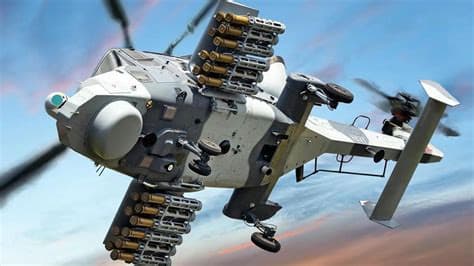
AI Image Disclaimer Images were created with AI and serve as conceptual representations, not actual photographs.
Sources
• The Wall Street Journal
• Bloomberg
• Times of India
• AA (Anadolu Agency)
• Ynetnews
Published by Banx Network. This article is part of the Banx decentralized media programme, powered by the BXE token on the XRP Ledger.