

Key Highlights
- Artemis II Mission:Engineers faced a waste management system malfunction.
- Crew Health:The issue highlighted the importance of life-support systems in space.
- Successful Resolution:NASA contained the problem without impacting mission objectives.
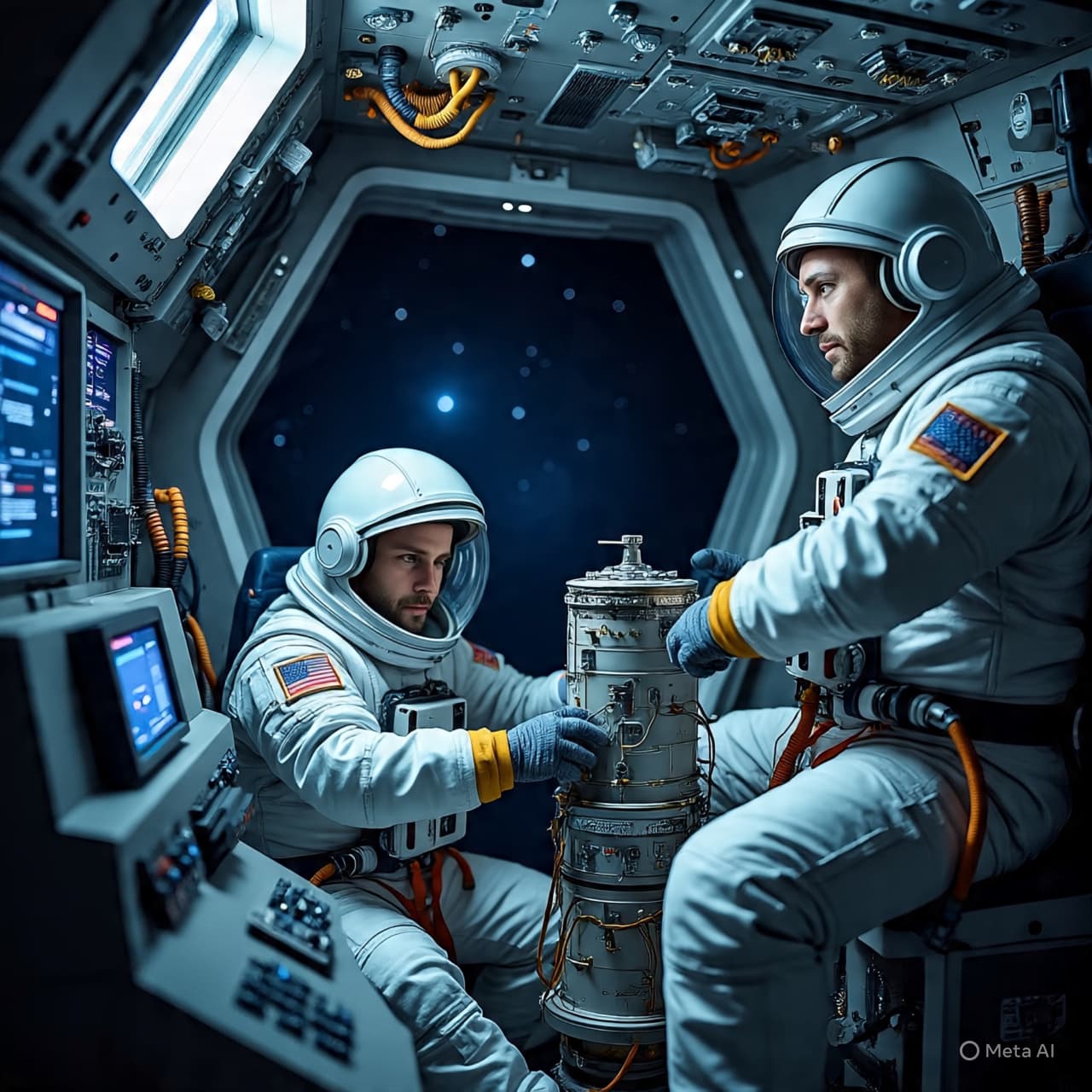
During the Artemis II mission, NASA engineers at Houston Mission Control encountered an unexpected challenge: a malfunction in the spacecraft’s waste management system. While this may seem trivial compared to propulsion or navigation issues, such systems are vital for crew health and mission continuity. The incident serves as a reminder of the complexities involved in sustaining life in space.
NASA confirmed that the issue was detected early through onboard diagnostics. The spacecraft’s toilet system, designed to operate in microgravity, exhibited irregular performance that could have escalated into a significant operational problem if not addressed promptly. Unlike on Earth, waste management in space requires specialized engineering due to the absence of gravity. Systems must rely on airflow, pressure, and precise containment mechanisms to function effectively. Any disruption can lead to hygiene concerns and potential contamination, posing serious risks in a closed environment.
Engineers in Houston quickly assessed the situation, coordinating with the crew aboard the spacecraft. Utilizing telemetry data and their procedural expertise, they guided the astronauts through troubleshooting steps. This process required not only technical accuracy but also clear communication to ensure that the crew could effectively implement the necessary adjustments.
The resolution did not involve dramatic interventions but rather careful adjustments and system recalibration. NASA later reported that the issue was successfully contained without impacting the broader mission objectives. This incident highlighted the critical role of ground support in space missions, emphasizing that even minor issues can have significant implications if not managed properly.
Historically, space missions have faced similar challenges. From the early Apollo missions to current International Space Station operations, life-support systems have consistently proven to be among the most complex and essential components of space exploration. The Artemis II incident serves as a poignant reminder that space exploration is not solely about reaching distant destinations; it is fundamentally about sustaining life in environments that differ drastically from Earth.
Public reaction to the incident was a mix of humor and admiration. While the subject matter invited lighthearted commentary, many recognized the seriousness of the engineering effort involved. Solving such problems in real-time requires a combination of expertise, coordination, and resilience from the teams on the ground.
NASA emphasized that the mission remains on track, with all major systems functioning as expected following the fix. The crew continues its journey, supported by a network of specialists working tirelessly behind the scenes to ensure mission success. In the quiet rhythm of mission control, far from the spotlight, solutions are crafted not with spectacle but with precision. Sometimes, saving a mission begins with addressing the most human of problems, underscoring the intricate balance of technology and life in space.
Published by Banx Network. This article is part of the Banx decentralized media programme, powered by the BXE token on the XRP Ledger.




