
Key Highlights
- Fuel prices may remain high for months post-Hormuz reopening.
- EIA forecasts average Brent crude at $96 per barrel this year.
- U.S. gasoline prices could peak near $4.30 per gallon in April.
In the delicate dance of global energy markets, the reopening of the Strait of Hormuz may not provide the relief many consumers and policymakers hope for. The U.S. Energy Information Administration (EIA) has issued a cautionary forecast that suggests fuel prices could remain elevated for months, even after this critical oil transit chokepoint reopens. This warning comes as the world grapples with the ongoing impacts of geopolitical tensions in the region.
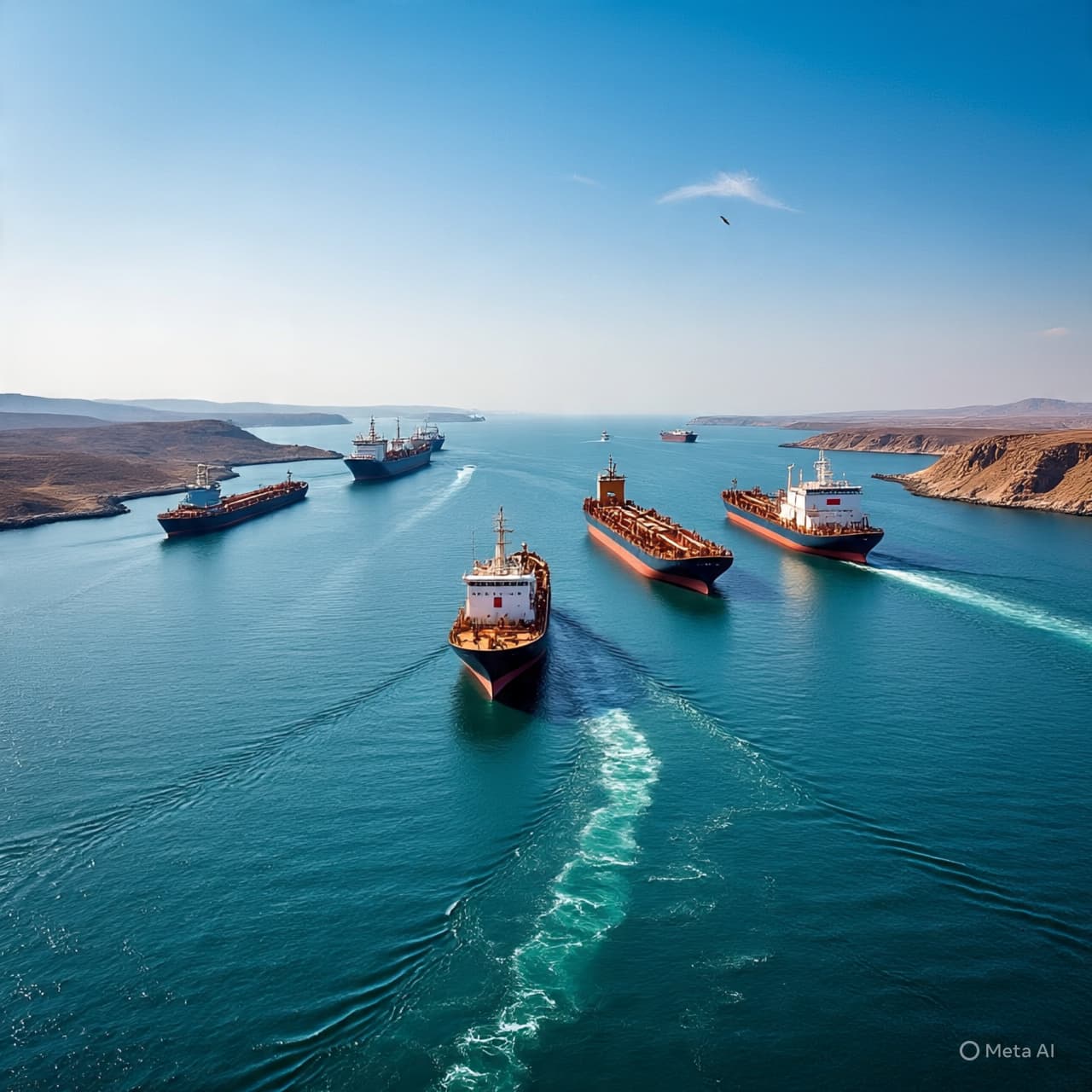
The Strait of Hormuz, a narrow channel between the Persian Gulf and the Gulf of Oman, is vital for global oil transport, carrying about one-fifth of the world’s traded crude oil and liquefied natural gas. Its closure earlier in 2026, amid escalating conflicts involving the United States, Israel, and Iran, sent shockwaves through global supply chains and energy markets, leading to sharp increases in both crude and refined fuel prices. The EIA’s latest short-term energy outlook indicates that these effects will not simply dissipate once the waterway reopens.
Current market conditions reflect the ongoing turmoil. Global benchmark Brent crude is now projected to average approximately $96 per barrel this year, significantly higher than pre-conflict estimates. In the U.S., gasoline prices are expected to average over $3.70 per gallon, with projections indicating a peak near $4.30 in April. Diesel prices could average around $5.80 per gallon, levels that impose considerable strain on household budgets and transportation costs.
One of the key reasons for the sustained high prices is that the reopening of the Strait of Hormuz will not immediately restore normal oil flows or rebuild global inventories. Years of disrupted shipping, shut-in production, and reduced refinery activity mean that markets are likely to experience persistent supply tightness. Additionally, the uncertainty surrounding potential future conflicts or blockages adds a risk premium that keeps crude prices elevated, even in the absence of immediate physical disruptions.
The EIA emphasizes that fully restoring commercial shipping through the strait “will take months.” The broader economic impact of earlier supply disruptions, including curtailed production in several Gulf countries, will continue to ripple through markets. Analysts also highlight that fuel prices are influenced not only by physical supply but also by global demand dynamics and inventory drawdowns, which can push prices higher even when transportation routes reopen.
This forecast diverges from more optimistic political messaging suggesting that markets will quickly stabilize once the conflict ends. The EIA’s outlook underscores the complexity of global energy systems: supply disruptions, risk premiums, and market psychology can keep prices elevated long after headline risks recede.
For consumers, this means that pump prices may not decrease soon, and for governments, fiscal pressures tied to energy costs could persist. Even as diplomatic efforts continue and shipping lanes potentially reopen, the energy sector is bracing for a period of extended volatility and higher costs, reflecting the long shadow cast by geopolitical conflict on global markets.
Published by Banx Network. This article is part of the Banx decentralized media programme, powered by the BXE token on the XRP Ledger.



