
Key Highlights
- Energy markets are influenced by geopolitical events, particularly U.S.-Iran relations.
- Stability in the Strait of Hormuz is crucial for global energy transportation.
- Diplomatic progress may reduce market volatility and enhance investor confidence.
Energy markets operate under a complex interplay of supply, demand, and geopolitical expectations. Recent diplomatic developments between the United States and Iran have heightened the focus on how these interactions can influence investor confidence and market sentiment. The ongoing negotiations are particularly significant given the strategic importance of the Strait of Hormuz, a vital corridor for global energy transportation.
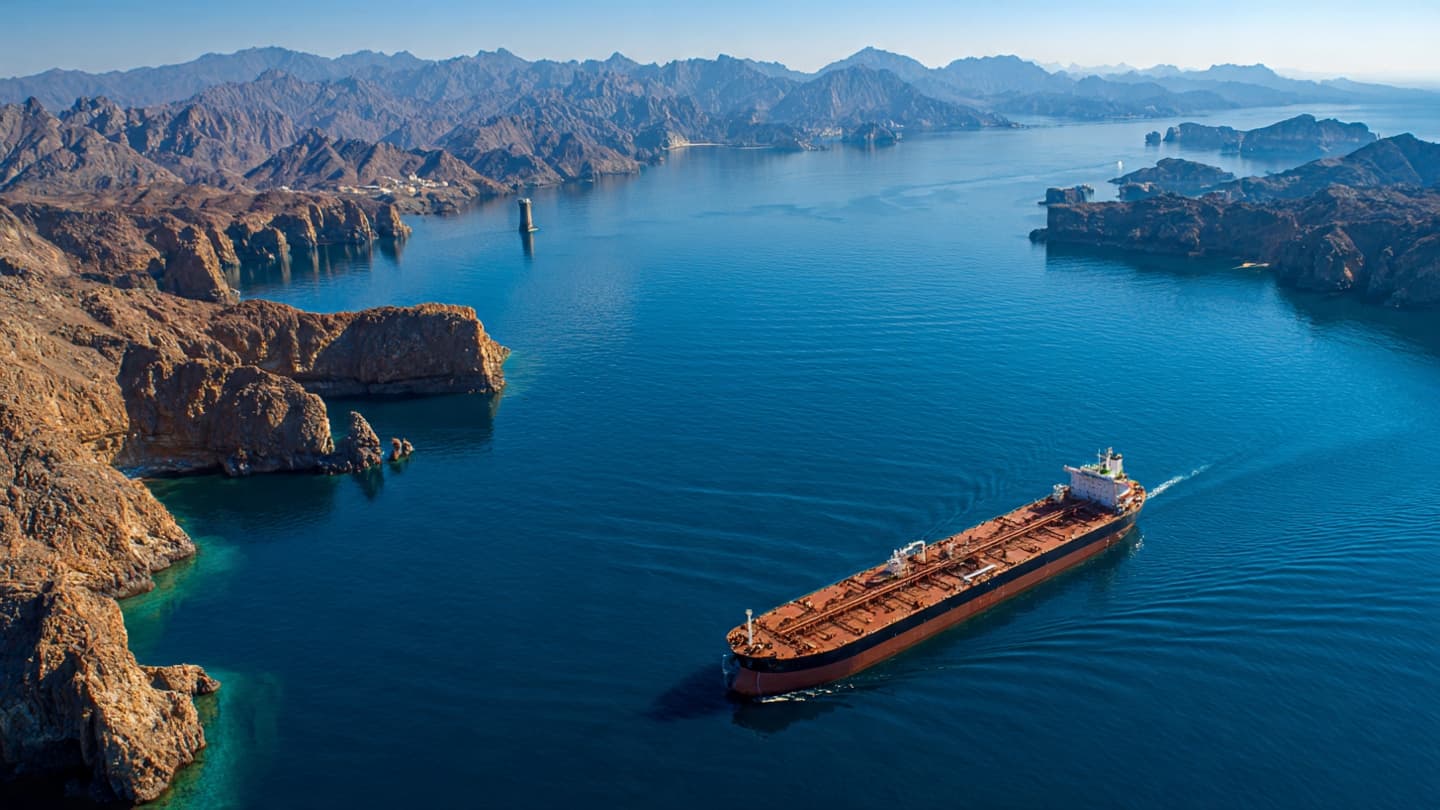
Market participants are closely monitoring these negotiations, recognizing that any escalation or resolution could have immediate repercussions on energy prices and availability. The Strait of Hormuz is a critical chokepoint through which approximately 20% of the world's oil passes. Therefore, any instability in this region could disrupt international trade and lead to increased costs for energy producers and consumers alike.
Economists suggest that sustained diplomatic progress could lead to a reduction in market volatility. As negotiations unfold, there is a growing belief that improved relations could foster a more stable environment for investors and businesses. This stability is essential not only for energy markets but also for the broader international economy, which relies heavily on predictable energy supplies.
However, uncertainty continues to loom over short-term trading activities. Shipping companies, energy producers, and financial institutions are actively evaluating various scenarios as they prepare for potential outcomes of the negotiations. Their strategic planning underscores the importance of maintaining secure trade routes and ensuring a steady flow of energy resources.
As the global energy landscape evolves, market participants remain vigilant. They understand that constructive dialogue between the U.S. and Iran could pave the way for greater stability, benefiting both regional security and the international economy. The interplay of diplomacy and market dynamics will continue to shape the future of energy markets, making it imperative for stakeholders to stay informed and adaptable.
In conclusion, the ongoing developments in U.S.-Iran relations are more than just political maneuvers; they are pivotal events that resonate throughout the energy markets. Investors and analysts alike will be watching closely, as the outcomes of these negotiations could have lasting implications for global energy security and economic stability.
Published by Banx Network. This article is part of the Banx decentralized media programme, powered by the BXE token on the XRP Ledger.



