Dawn breaks quietly over the high-rises of Seoul, painting pastel hues on glass facades that reflect not just light but layered hopes and anxieties. In the gentle rise of morning, there is a murmur — a conversation about belonging, about home, and about the invisible lines between welcome and wary watchfulness. In recent days, that conversation has shifted toward how land itself is held, by whom, and for what reason.
In a decision that unfolds like the slow turning of seasons, the government has moved to tighten rules governing real estate purchases by foreign nationals, with the aim of curbing speculative deals that have drawn scrutiny and concern. The Ministry of Land, Infrastructure and Transport announced a revision to the enforcement provisions of the Real Estate Transaction Reporting Act that takes effect this week. Under the new regime, foreign buyers entering into property purchase contracts must now disclose more than they once did — including their visa status, residency status, and the nature of their financial backing.
Where once a simple declaration of intent sufficed, now the paperwork expands to include details about overseas deposits, foreign loans, and even proceeds from stock, bond, or cryptocurrency sales used to fund a purchase. The change effectively broadens the lens through which authorities examine capital flows tied to foreign property acquisitions. This move follows a government probe that flagged hundreds of suspicious transactions, prompting referrals to customs, immigration, and law enforcement agencies.
Alongside reporting enhancements, regulations introduced last year already require foreign buyers in designated zones — chiefly in Seoul and parts of the surrounding metropolitan area — to obtain approval before completing a purchase. Once approved, buyers must then reside in the property for a minimum period, a policy designed to dissuade short-term investment speculation.
These adjustments arrive amid a broader backdrop: a real estate market that has seen uneven price movements and regional disparities. Larger metropolitan zones have experienced stronger demand and price pressures compared with quieter provincial markets. Within this landscape, foreign participation in real estate has been rising, drawing both public interest and policy responses.
For supporters of the new measures, the revisions mark a careful calibration — an attempt to ensure transparency and accountability without closing doors completely. For critics, the expanded requirements may feel like distant ripples in a long-standing debate about how best to balance openness with oversight.
Here, in the everyday ebb and flow of urban life, the outlines of policy are traced not just on paper but in the quiet decisions of families seeking space, of investors weighing commitments, and of communities imagining how to sustain stability and fairness in an ever-shifting world.
In closing, authorities emphasize that the updated rules are designed to strengthen transparency in transaction reporting and better monitor questionable capital inflows tied to foreign real estate purchases. The expanded reporting requirements — including residence and funding source disclosures — are intended to reinforce market integrity and guide enforcement action where needed.
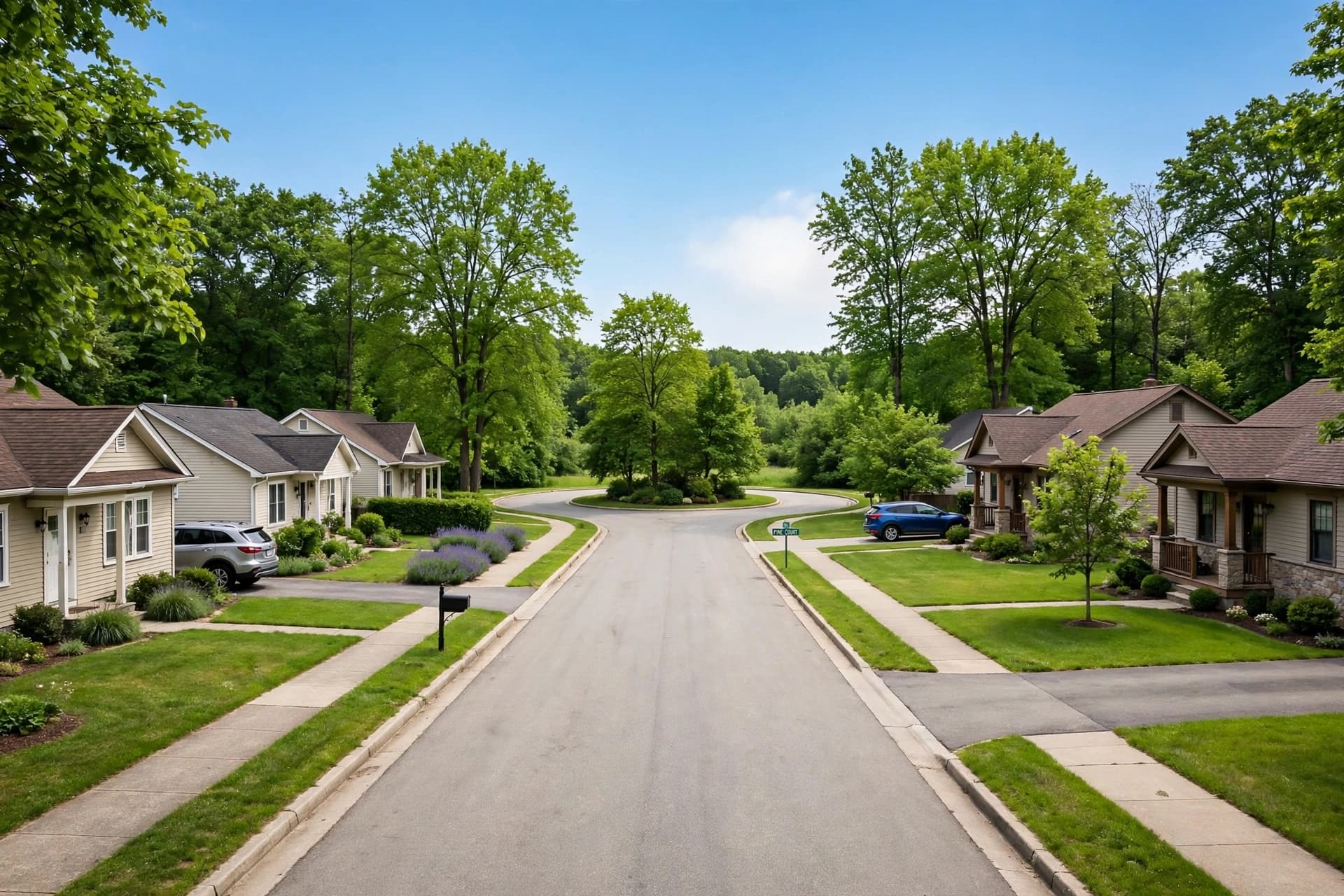
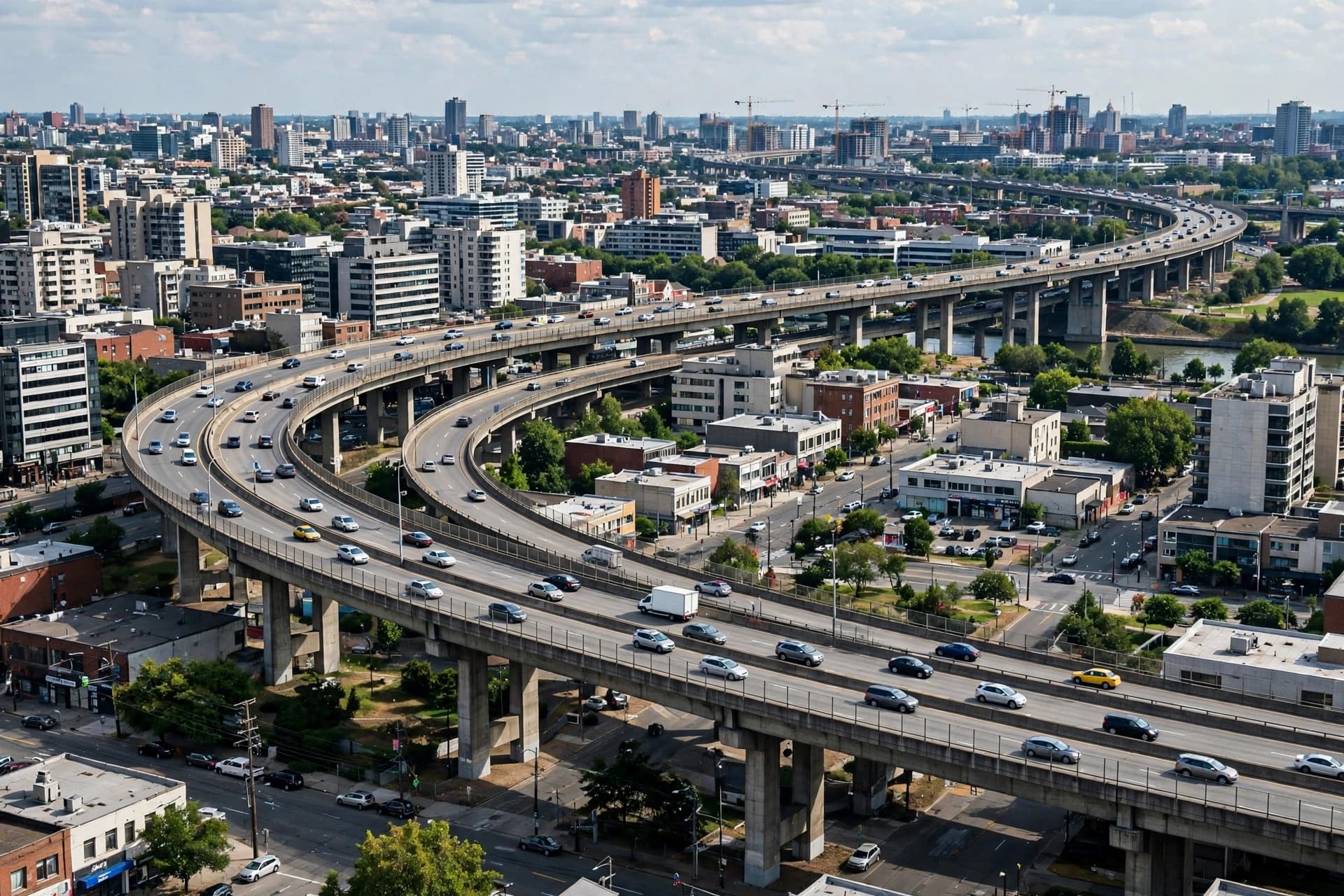
AI Image Disclaimer (Rotated) *Visuals are created with AI tools and are not real photographs; they serve as conceptual imagery.*
Sources (Media Names Only):
The Korea Times Business Korea Khan (English edition) The Korea Times (reporting on foreign approvals) Global Property Guide (market context)
Published by Banx Network. This article is part of the Banx decentralized media programme, powered by the BXE token on the XRP Ledger.