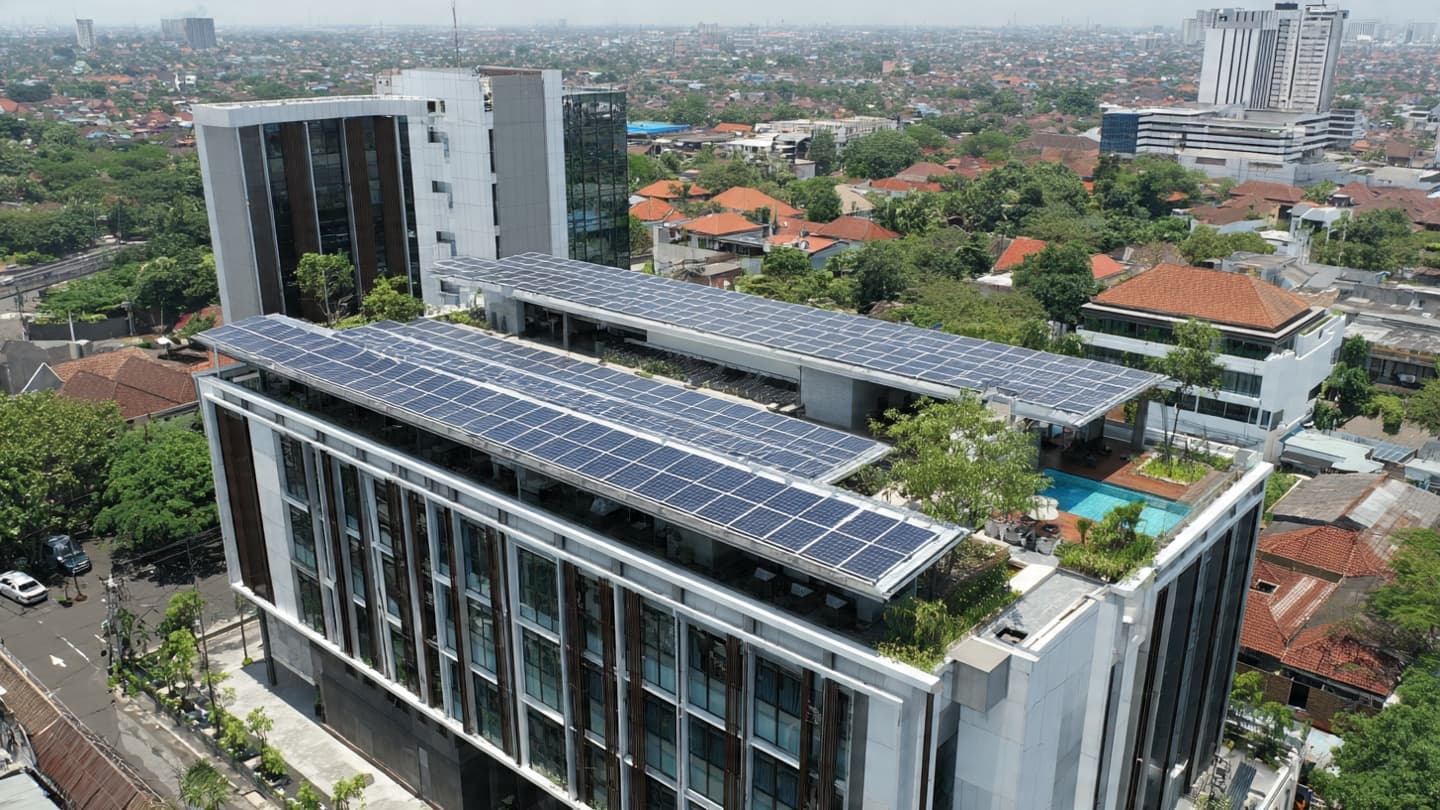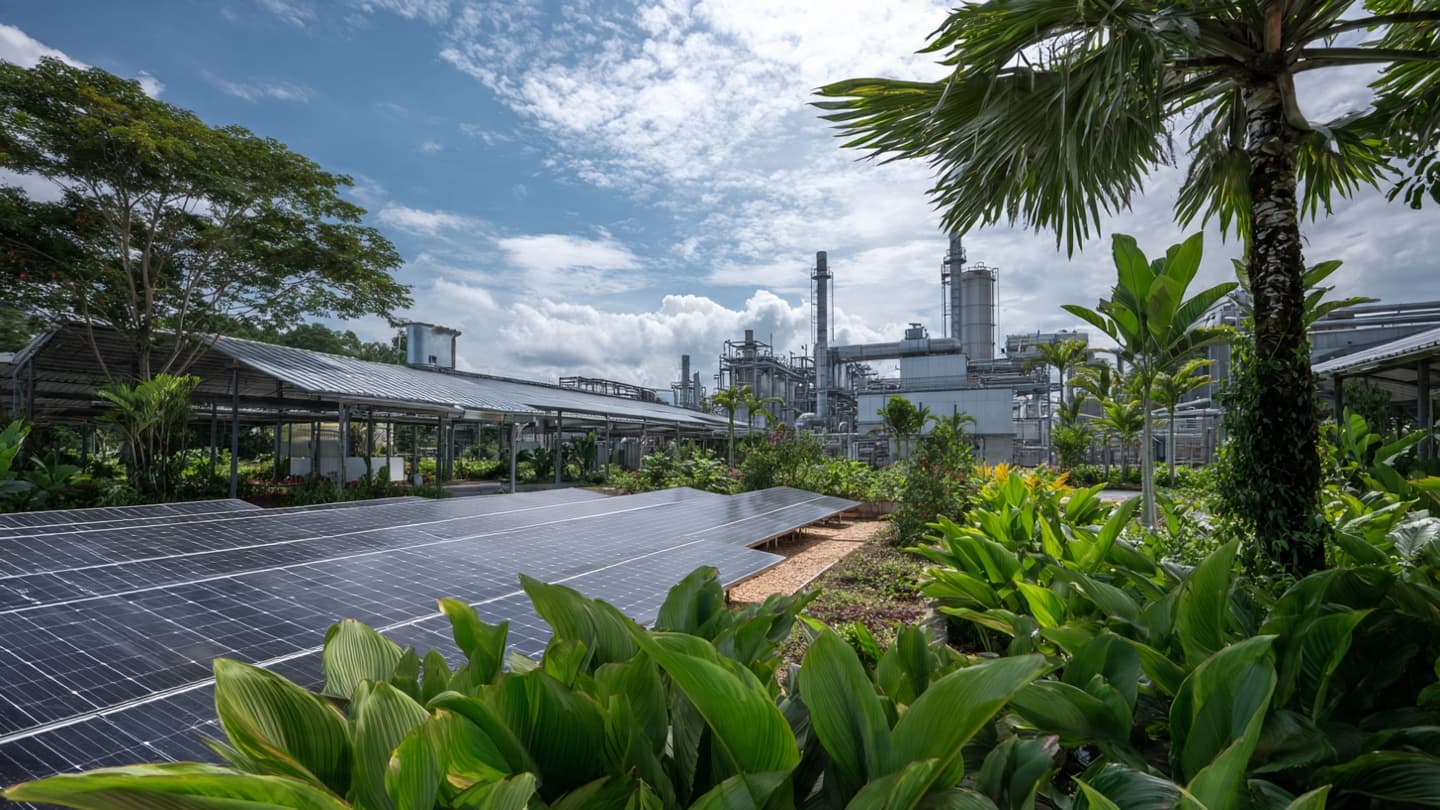
Along Brunei's coastline and industrial corridors, the energy economy is beginning to look toward horizons beyond its established foundations. Renewable energy, hydrogen, carbon capture, and other emerging technologies are increasingly appearing within conversations about investment and economic diversification, creating a wider industrial landscape for the small Southeast Asian economy.
The shift does not mean that traditional energy suddenly disappears from the picture. Instead, Brunei's development discussions increasingly consider how existing capabilities can coexist with newer technologies and industries. Energy remains central to the economy, while future growth is being explored through a broader collection of sectors.
Brunei's official economic discussions have repeatedly highlighted diversification as an important part of its development strategy. Priority areas include downstream oil and gas, food, tourism, information and communications technology, and services, alongside efforts to create a stronger environment for investment.
Sustainable industries can potentially add another layer to that strategy. Renewable energy projects, hydrogen development, and carbon-management technologies require capital, technical expertise, infrastructure, and access to markets. For Brunei, the development of such industries could also create opportunities for new forms of business participation.
The country's existing energy infrastructure and experience provide part of the foundation for exploring these possibilities. Industrial facilities, technical skills, logistics networks, and established relationships within the energy sector can all become useful components when new industries are considered.
Carbon capture is particularly connected to this transition because it focuses on reducing emissions associated with industrial activity rather than replacing every existing energy system immediately. The technology can therefore form part of a broader approach in which traditional and emerging energy systems develop alongside each other.
Hydrogen represents another possible pathway. Across Asia, governments and businesses have been examining hydrogen's potential in industry, transportation, power generation, and international trade. For Brunei, participation in that emerging market would depend on production costs, infrastructure, technology, investment, and the development of reliable buyers.
Renewable energy brings a different but connected opportunity. Solar generation, for example, can diversify electricity sources and support longer-term energy resilience. The scale of such projects would depend on land availability, grid capacity, investment conditions, and the country's broader energy strategy.
For investors, the significance lies in how these individual opportunities can eventually become part of a connected industrial ecosystem. Brunei's challenge is not simply identifying new technologies, but creating the infrastructure, skills, partnerships, and market conditions required to turn them into sustainable economic activity.
The direction is therefore gradual rather than immediate. Brunei continues to rely on its established energy economy while examining new avenues for investment and industrial development. Renewable energy, hydrogen, and carbon-management technologies now form part of a wider conversation about what the country's economic landscape could look like in the years ahead.
AI Image Disclaimer The images shown here were generated with AI tools and function as conceptual illustrations rather than representations of actual photographs.
Sources Borneo Bulletin Brunei Economic Development Board Department of Energy Brunei Darussalam Brunei Department of Councils of State Pelita Brunei
Published by Banx Network. This article is part of the Banx decentralized media programme, powered by the BXE token on the XRP Ledger.