
Key Highlights
- Alarming Findings:Over two-thirds of tested protein powders exceed lead safety levels.
- Plant-Based Concerns:Plant-based protein powders contain nine times more lead than whey proteins.
- Soil Contamination:Plants absorb heavy metals from the soil, impacting protein powder safety.
In the gym-bag world of protein shakes and powder tubs, the promise is simple: fuel your muscles, recover faster, build stronger. However, a recent investigation by Consumer Reports has unveiled a troubling reality lurking beneath the glossy packaging and muscle-builder rhetoric. Many popular protein supplements, particularly those that are plant-based, contain lead levels that exceed safety thresholds by alarming margins.
The nonprofit organization tested 23 bestselling protein powders and shakes, revealing that more than two-thirds contained lead levels surpassing the concern level set by Consumer Reports, which is 0.5 micrograms per day. Some products exceeded this threshold by an astonishing 1,200% to 1,600%. The category that stood out as the most concerning was plant-based protein powders, which on average contained nine times more lead than their dairy-based (whey) counterparts and about twice as much as beef-based alternatives.
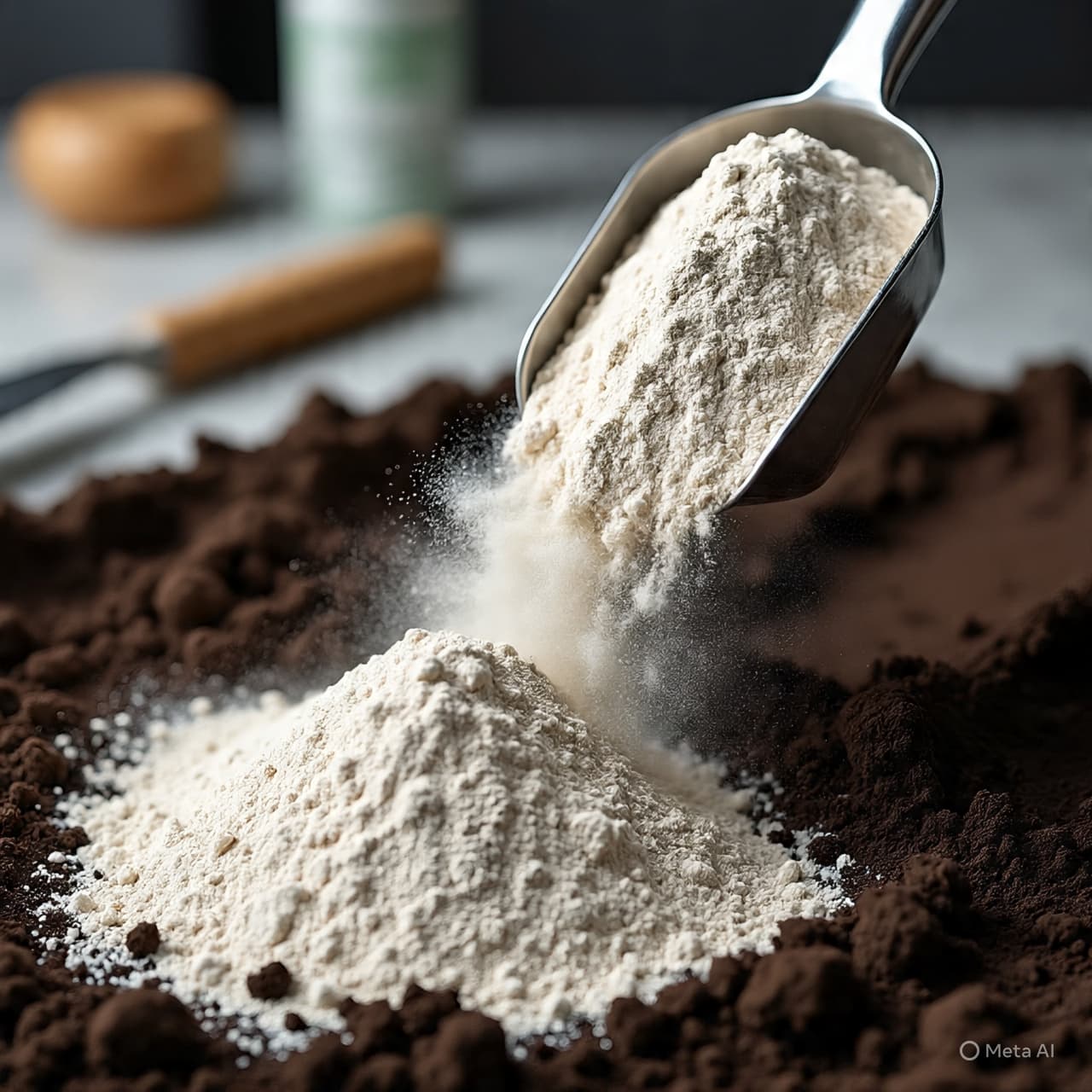
Why do plant-based protein powders fare so poorly in terms of lead content? The answer lies in the very soil from which these plants are sourced. Plants draw nutrients from the soil, but they can also absorb harmful contaminants, including heavy metals. When protein powders are derived from sources such as peas, rice, and soy, they carry this heavy-metal signature. The Consumer Reports investigation noted that nearly all the plant-based items tested showed elevated lead levels, raising significant health concerns for consumers who rely on these products for their dietary needs.
The implications of these findings extend beyond individual health risks. They highlight a broader issue of sourcing and regulation in the supplement industry. As consumers increasingly turn to protein powders for health and fitness benefits, the lack of stringent regulations on heavy metal content in these products poses a serious risk. The convenience of protein supplements may come at a hidden cost, one that could affect long-term health outcomes.
As the story of protein powders unfolds, it becomes clear that the narrative is not just about muscle gain and recovery. It is also about the soil, sourcing practices, and the trust consumers place in these products. When health and performance become commodified, the quiet cost of convenience may include something far heavier than a mere scoop of powder.
In light of these findings, consumers are urged to exercise caution when selecting protein supplements. It may be prudent to research brands, scrutinize ingredient sourcing, and consider third-party testing to ensure safety and quality. As the market for protein powders continues to grow, the responsibility lies with both manufacturers and consumers to prioritize health over convenience.
Published by Banx Network. This article is part of the Banx decentralized media programme, powered by the BXE token on the XRP Ledger.



