Opening: In the race to power the future, batteries are the silent engines driving electric vehicles and renewable energy storage. For years, lithium has been the king of this domain, prized for its energy density and performance. However, a top Chinese battery pioneer is now urging a strategic pivot toward sodium-based technology. This call for change is not just about innovation; it is a response to geopolitical realities, specifically China’s heavy reliance on lithium imports. It invites us to consider how resource independence can shape the trajectory of technological advancement and national security.
Body: China currently imports approximately 75% of its lithium, a dependency that creates vulnerability in the face of global supply chain disruptions and trade tensions. Sodium, by contrast, is abundant and widely available, found in common salt and seawater. By shifting focus to sodium-ion batteries, China aims to reduce this reliance, securing a more stable and self-sufficient energy future. This strategic move reflects a broader trend of nations seeking to control critical mineral supplies.
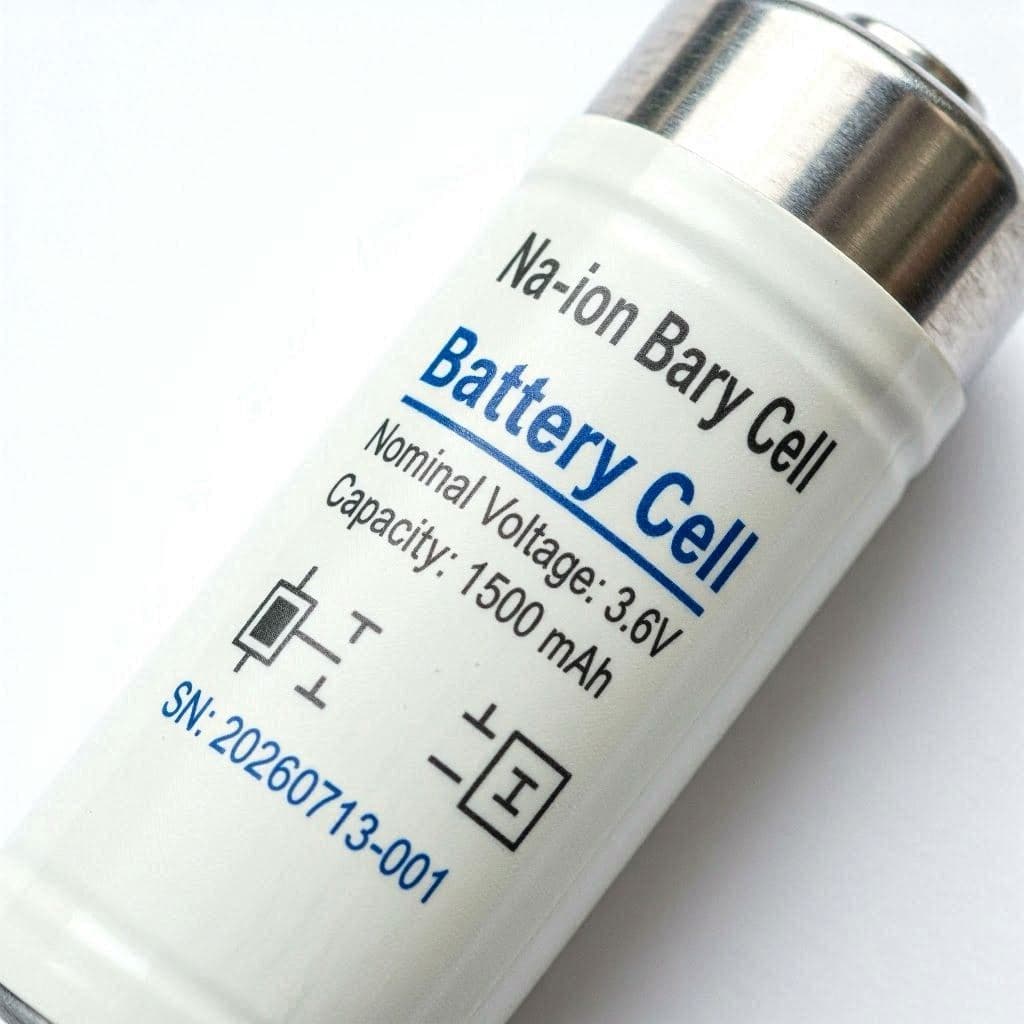
Sodium-ion technology has advanced significantly in recent years, closing the gap with lithium in terms of performance and cost. While it may not yet match lithium’s energy density for long-range electric vehicles, it is highly suitable for stationary storage and shorter-range transport. Its lower cost and safer chemical profile make it an attractive alternative for many applications. The push for adoption is accelerating, with major manufacturers investing in production facilities and research.
The environmental benefits of sodium batteries are also noteworthy. Lithium extraction often involves intensive mining processes that can harm ecosystems and consume large amounts of water. Sodium extraction is less invasive and more sustainable, aligning with global goals for green energy transition. This ecological advantage adds another layer to the argument for diversification, appealing to both economic and environmental priorities.
For the global market, this shift could have significant implications. If China successfully scales up sodium battery production, it could influence global prices and supply dynamics. Other nations may follow suit, exploring their own alternatives to lithium dependence. This competition for resource independence could reshape the landscape of the energy sector, fostering innovation and collaboration across borders.
However, the transition is not without challenges. Establishing new supply chains, retooling manufacturing plants, and gaining consumer acceptance take time and investment. Industry leaders emphasize the need for policy support and international cooperation to facilitate this shift. It is a complex journey that requires balancing short-term costs with long-term gains.
The pioneering company’s call to action highlights the importance of strategic foresight in technology development. By anticipating future constraints and opportunities, they are positioning themselves at the forefront of the next wave of energy innovation. This proactive approach serves as a model for other industries facing similar resource dependencies.
Closing: In the end, the pivot to sodium hardware is a testament to the dynamic nature of technological progress. It shows how necessity can drive innovation, leading to solutions that are not only efficient but also resilient. As the world moves toward a sustainable energy future, the choice of materials will play a crucial role in defining who leads and who follows.
AI Image Disclaimer: Visuals accompanying this text are AI-generated conceptualizations intended to depict the themes of energy technology and sustainability.
Sources: Reuters South China Morning Post Bloomberg Green
Published by Banx Network. This article is part of the Banx decentralized media programme, powered by the BXE token on the XRP Ledger.