There are conversations that drift easily through public life, and others that remain quietly confined to whispers. Testosterone, often discussed in the language of energy and libido, tends to fall somewhere in between — familiar, yet misunderstood. For many, the hormone is reduced to a shorthand for masculinity. But physicians suggest the more serious warning signs of low testosterone may lie far from popular assumptions.
While reduced sex drive is commonly associated with low testosterone, endocrinologists say the most concerning indicator may be metabolic and cardiovascular change. In particular, unexplained loss of muscle mass combined with increasing abdominal fat and persistent fatigue can signal deeper systemic imbalance — one that extends beyond reproductive health.
Testosterone plays a broader role in the body than many realize. It supports muscle maintenance, bone density, red blood cell production, mood regulation, and metabolic function. When levels decline significantly — whether due to aging, medical conditions, or endocrine disorders — the effects can ripple quietly across multiple systems.
Doctors note that one of the most dangerous overlooked signs is the development of metabolic syndrome. This cluster of conditions includes elevated blood sugar, increased waist circumference, abnormal cholesterol levels, and high blood pressure. Research has linked chronically low testosterone with higher risks of type 2 diabetes and cardiovascular disease. In this context, the issue is not only hormonal, but structural — affecting long-term health outcomes.
Fatigue that does not improve with rest is another subtle red flag. Unlike ordinary tiredness, hormone-related fatigue may feel persistent and accompanied by decreased physical endurance. Some patients report difficulty building or maintaining muscle despite regular exercise. Others notice mood shifts, including irritability or low motivation.
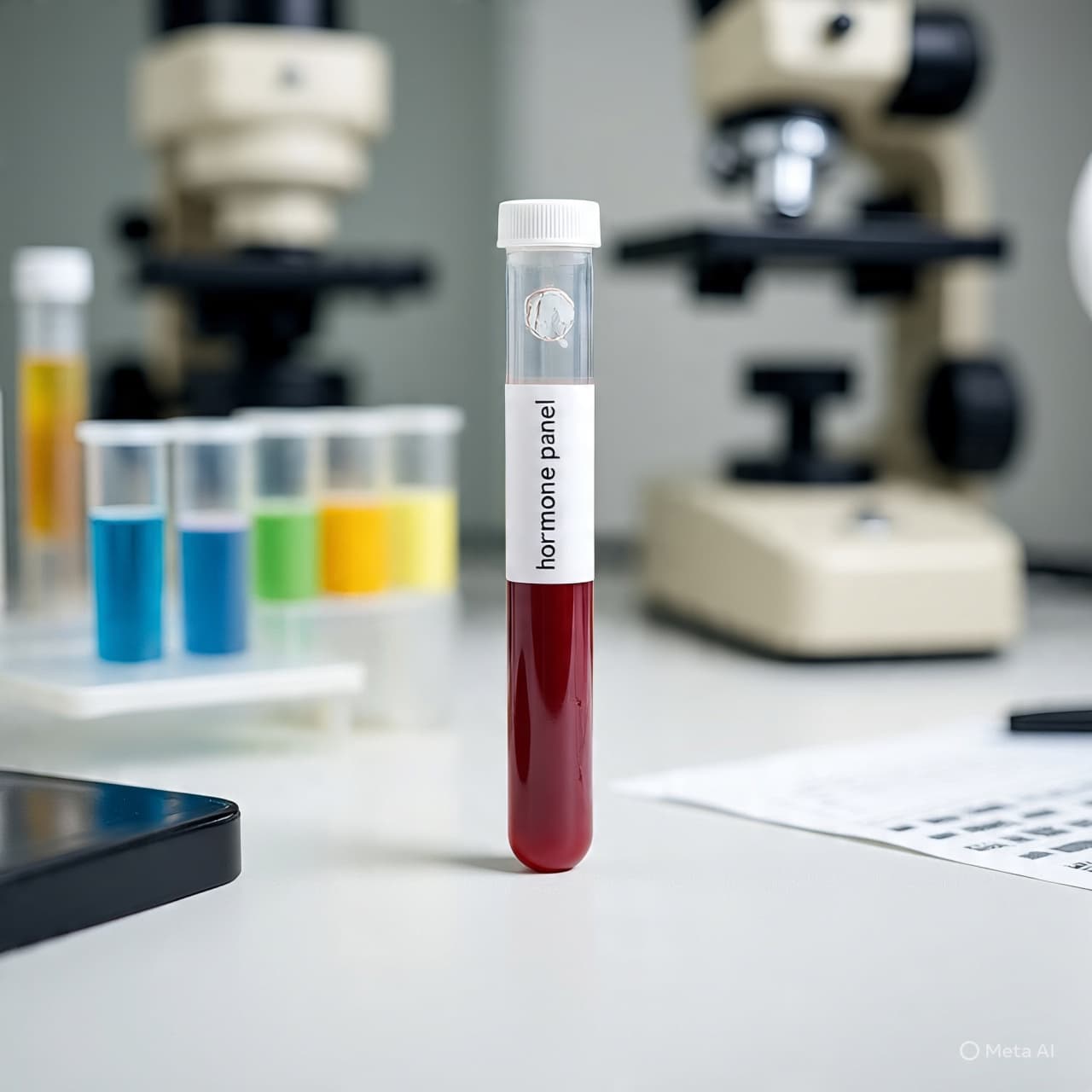
Physicians caution against self-diagnosis. Testosterone levels fluctuate throughout the day and must be measured through standardized blood testing, typically in the morning when levels peak. A single symptom alone rarely tells the full story. Instead, clinicians evaluate patterns — physical, emotional, and metabolic — before determining whether hormone levels are clinically low.
Importantly, low testosterone is not limited to older men. Certain medical conditions, including obesity, chronic illness, or pituitary disorders, can affect younger individuals as well. However, experts emphasize that treatment decisions must be individualized. Testosterone replacement therapy may benefit some patients but is not without risks, including potential cardiovascular concerns and impacts on fertility.
Lifestyle factors remain foundational. Regular strength training, adequate sleep, balanced nutrition, and weight management can support healthy hormone levels. In some cases, addressing underlying conditions such as diabetes or sleep apnea may improve testosterone naturally.
The cultural focus on libido can obscure the more serious health implications. While changes in sexual function may prompt medical visits, the deeper concern often lies in metabolic and cardiovascular shifts that develop gradually and silently.
Medical professionals advise individuals experiencing persistent fatigue, unexplained body composition changes, or mood alterations to consult a healthcare provider for proper evaluation. Early assessment allows for comprehensive testing and informed decision-making regarding treatment or lifestyle adjustments.
AI IMAGE DISCLAIMER Visuals are created with AI tools and are not real photographs.
Sources: CNN The New York Times BBC News The Guardian Reuters
Published by Banx Network. This article is part of the Banx decentralized media programme, powered by the BXE token on the XRP Ledger.