The relationship between politics and culture has always been a complex dance, where influence flows in both directions. In recent years, the entertainment industry has found itself at the center of political discourse, often viewed through a lens of ideological division. Yet, amidst the rhetoric, there are moments where policy proposals bridge the gap between governance and artistry. Former President Donald Trump’s recent call for tax incentives for Hollywood suggests a potential shift in this dynamic, inviting reflection on how economic tools might be used to support creative industries while navigating the contours of national identity.
Tax incentives for film production are not a new concept. Many states and countries have long offered rebates and credits to attract filmmakers, recognizing the economic boost that major productions bring to local communities. From job creation for crew members to increased tourism, the ripple effects of a movie shoot can be significant. Trump’s proposal aligns with this established practice, framing it as a way to keep production within American borders and support domestic talent.
However, the context of this call is notable given the former president’s past criticisms of the entertainment industry. Hollywood has often been portrayed as a hub of opposing political views, leading to a perceived cultural rift. By advocating for financial support, Trump may be seeking to reframe this relationship, emphasizing economic patriotism over ideological differences. It is a pragmatic approach that prioritizes industry growth and national competitiveness.
Proponents of such incentives argue that they help maintain the United States’ position as a global leader in entertainment. Without competitive tax structures, productions might move to locations with more favorable financial terms, resulting in a loss of revenue and expertise. The proposal highlights the importance of creating an environment where creativity can thrive alongside economic stability.
Critics, however, question whether public funds should be used to subsidize private enterprises, particularly in an industry known for high profits. They argue that resources might be better spent on other public needs or that the benefits of these incentives are not evenly distributed. The debate touches on broader questions about the role of government in supporting the arts and the criteria for such support.
For filmmakers and workers in the industry, the prospect of tax incentives offers a sense of security and opportunity. It signals a willingness to invest in their craft and recognize its value to the national economy. This support can encourage innovation and risk-taking, allowing stories to be told that might otherwise remain untold due to budget constraints.
The political implications of this proposal are also worth considering. It may serve as a gesture of outreach to a sector that has been largely critical of his administration. By focusing on shared economic interests, it attempts to find common ground in a polarized landscape. Whether this approach will lead to tangible policy changes remains to be seen, but it opens a dialogue about collaboration.
As the discussion unfolds, it invites a broader conversation about the value of culture in society. Film and television are not just forms of entertainment; they are mirrors that reflect our values, fears, and aspirations. Supporting their creation is, in a sense, supporting the nation’s ability to tell its own story. It is a reminder that art and economics are deeply intertwined.
Donald Trump’s call for Hollywood tax incentives highlights the intersection of economic policy and cultural production. While debates continue over the efficacy and fairness of such measures, the proposal underscores the importance of the entertainment industry to the national economy. It invites a reconsideration of how government and culture can work together for mutual benefit.
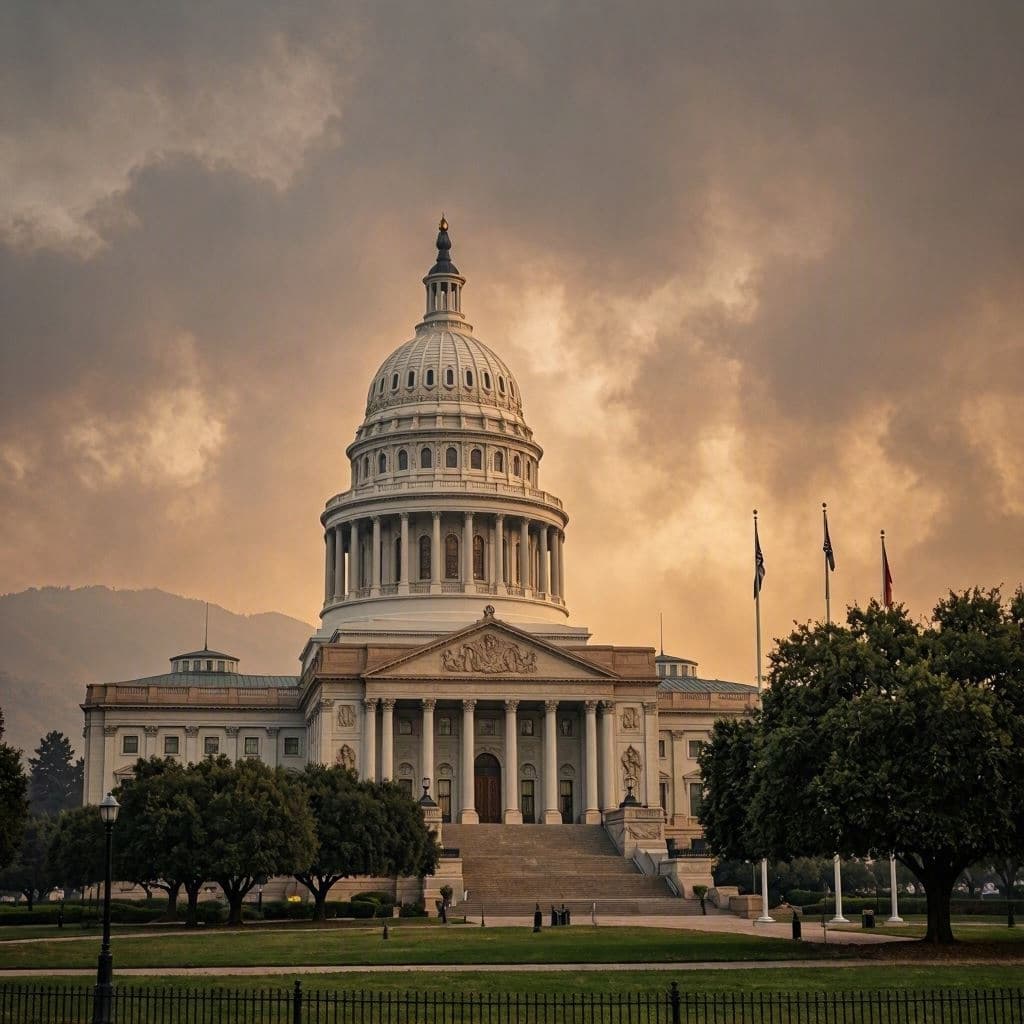
AI Image Disclaimer: The visual representations accompanying this article are AI-generated interpretations designed to symbolize the intersection of cinema and policy, using abstract imagery of film reels and government buildings.
Sources: Variety The Hollywood Reporter Politico
Published by Banx Network. This article is part of the Banx decentralized media programme, powered by the BXE token on the XRP Ledger.