There is a quiet change taking place in the way Thailand looks at health. What was once largely associated with hospitals and medical treatment is gradually becoming part of a wider economic landscape, one that includes wellness, prevention, healthy food, fitness, mental well-being and longer, more active lives.
The idea of a well-being economy places health and quality of life closer to the center of economic activity. In Thailand, businesses and investors are increasingly exploring opportunities that extend beyond conventional healthcare and toward services designed to help people remain healthy rather than simply respond when illness arrives.
Recent investment strategies illustrate that shift. TPC Thailand, for example, has identified well-being and education as one of six strategic investment pillars, alongside climate and nature, energy transition, food systems, circular economy and human development. The company is exploring mergers, joint ventures and strategic partnerships in these areas.
The broader Thai wellness market is also expanding. Recent industry analysis points toward growing interest in preventive health, mental wellness, fitness, healthy food, longevity services and other areas where consumers increasingly see health as a long-term investment in their lives.
Healthcare itself remains an important foundation. Thailand already has a substantial medical-services ecosystem, while its reputation for medical tourism and wellness services provides another bridge between healthcare and international investment.
The demographic landscape adds another dimension. As populations age across Asia, demand for healthcare, rehabilitation, senior living and services supporting longer working and living lives is expected to become increasingly important.
Technology is also changing the sector. Digital health platforms, remote consultations, wearable devices and personalized health services are creating new connections between medical institutions, technology companies and consumers.
For businesses, the opportunity is therefore becoming broader than the traditional model of treatment. Nutrition, fitness, preventive care, wellness tourism and health-focused consumer products can all become part of an economy built around maintaining quality of life.
Thailand’s development of a well-being economy is still evolving, and the concept covers a wide range of industries. But the direction is becoming clearer: health is increasingly viewed not simply as a cost to society, but as an area capable of generating services, investment and new forms of economic activity.
In that changing landscape, Thailand is positioning healthcare and wellness as part of a larger economic story. The next chapter may be written not only inside hospitals, but also in fitness centers, laboratories, wellness resorts, technology companies and communities where healthier living becomes part of everyday life.
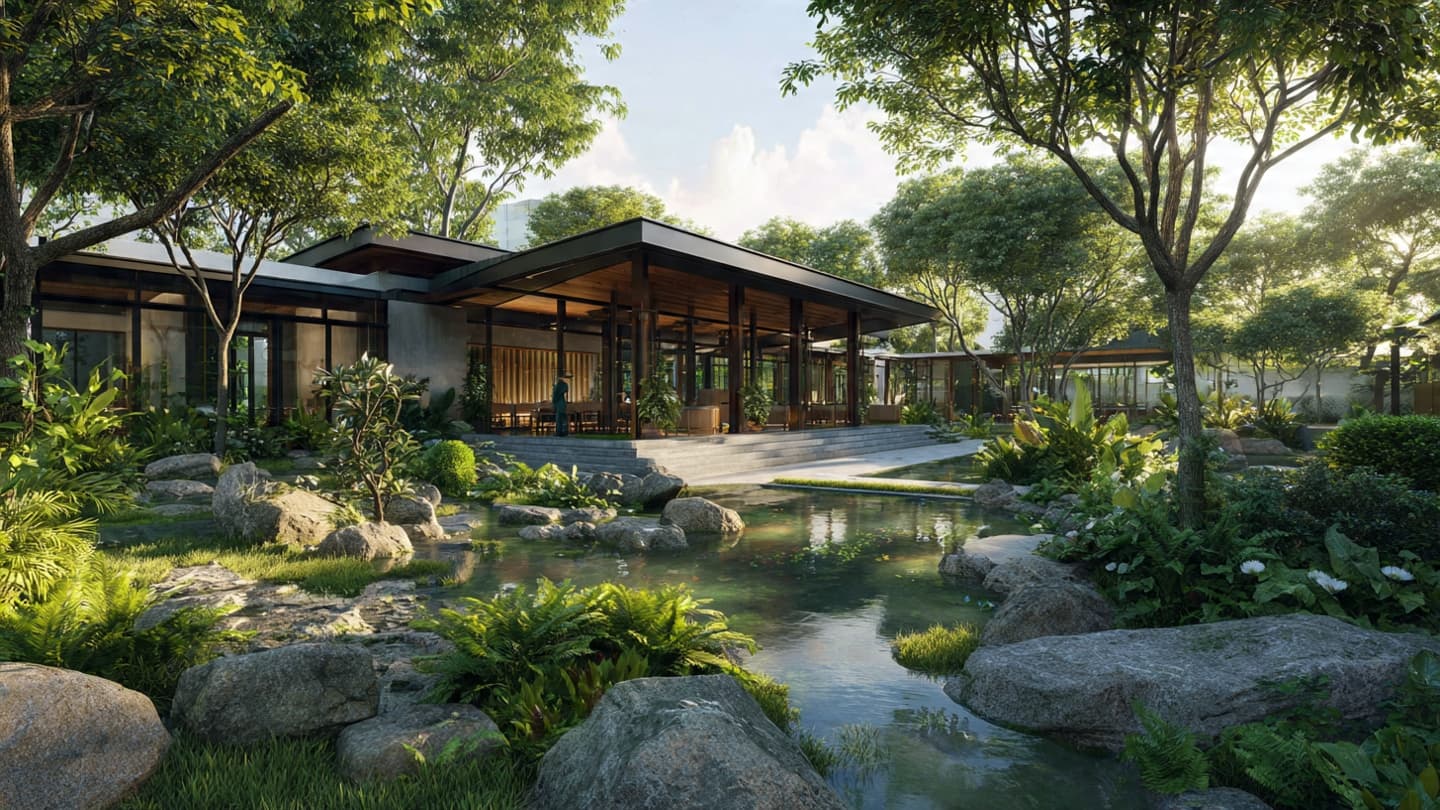
AI Image Disclaimer: The following illustrations are AI-generated conceptual visuals created for editorial purposes and do not represent specific healthcare facilities, businesses or investment projects.
Sources: Bangkok Post TPC Thailand Global Wellness Institute Thailand Ministry of Public Health
Published by Banx Network. This article is part of the Banx decentralized media programme, powered by the BXE token on the XRP Ledger.