Above the Mediterranean city of Antalya, preparations are underway for an international gathering devoted to space. Yet behind the conference halls and technical discussions, another conversation is taking shape — one about how Türkiye might deepen its connections with some of the world’s established aerospace companies.
Airbus Defence and Space is exploring expanded cooperation with Türkiye, according to company executive Carlo Mirra. In comments reported by Anadolu Agency on September 23, Mirra said Airbus was in discussions with Türkiye’s Scientific and Technological Research Council, TÜBİTAK, about several possible areas of cooperation.
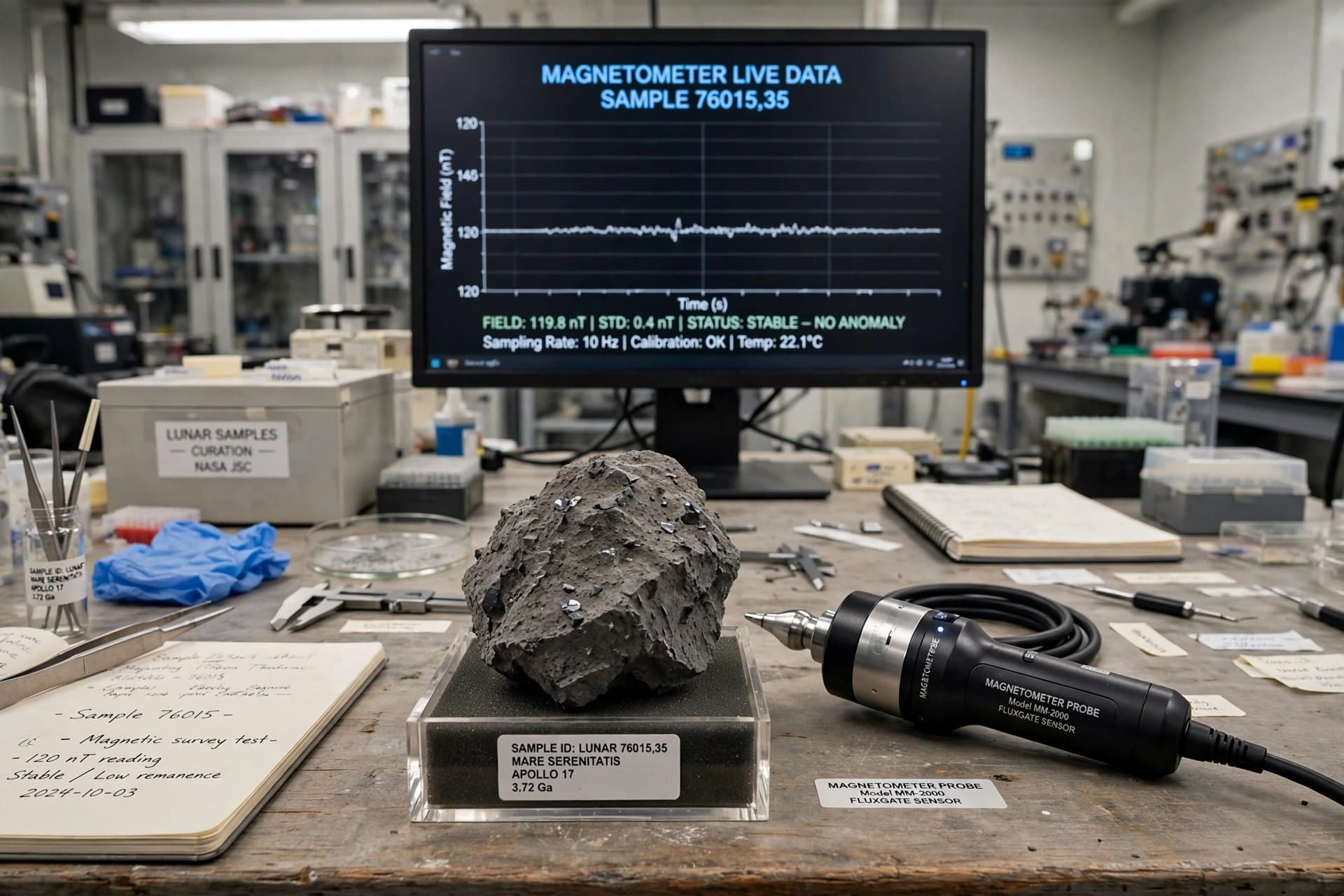
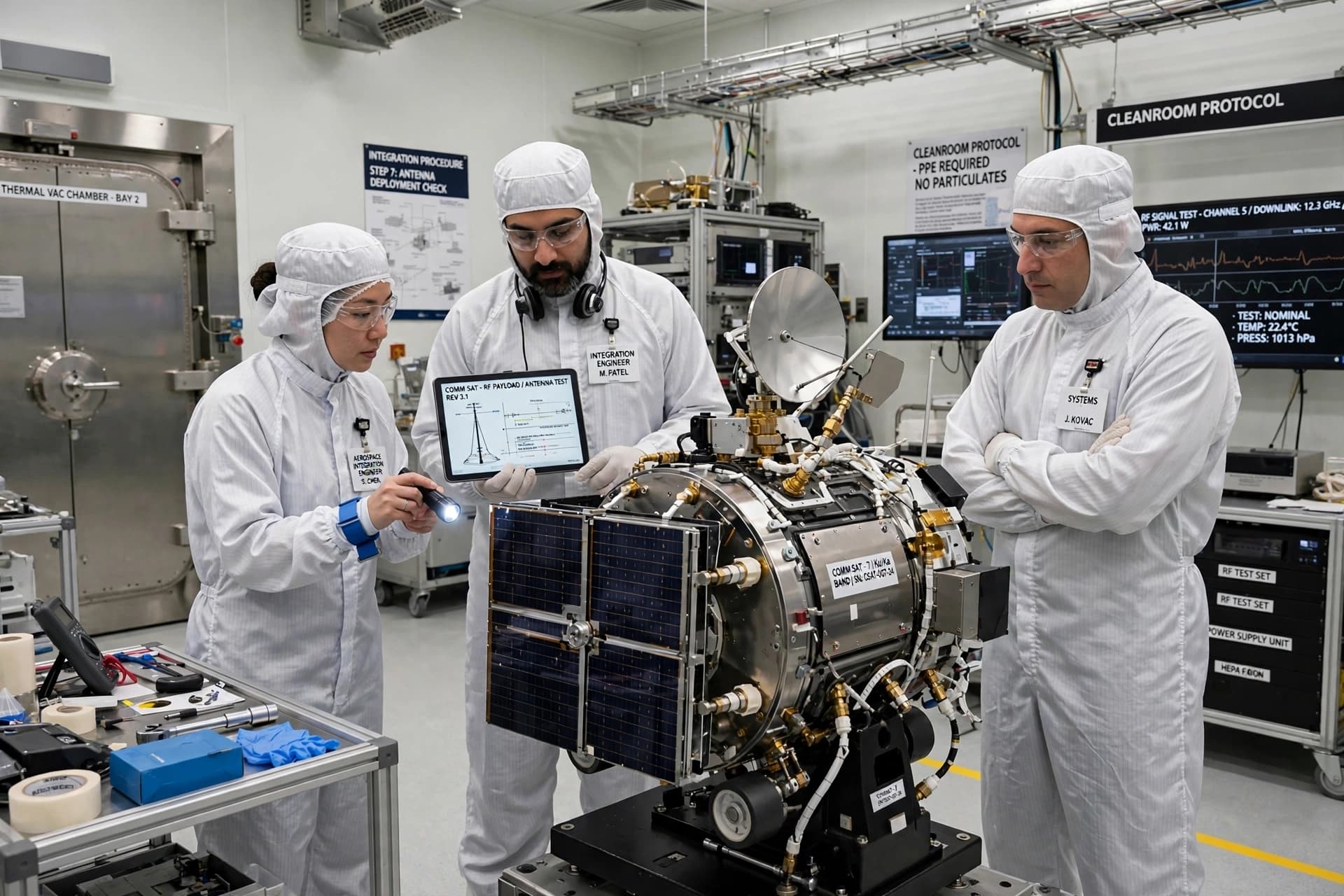
Among the areas mentioned were lunar exploration, human spaceflight and satellite communications. These fields represent different parts of the space industry, ranging from scientific missions and exploration to communications infrastructure that supports everyday services on Earth.
The discussions come as Türkiye prepares to host the 77th International Astronautical Congress, scheduled for October 5–9 in Antalya. The event is being organized under the coordination of Türkiye’s Ministry of Industry and Technology and hosted by the Turkish Space Agency, with SAHA Istanbul as co-host.
For Airbus, Türkiye is not an entirely new market. The European aerospace company has previously been involved in Türkiye’s satellite programs, giving the two sides an existing industrial relationship from which additional cooperation could potentially develop.
Mirra indicated that future cooperation could take several forms. Direct industrial collaboration is one possibility, while agreements involving Türkiye, the European Space Agency, the European Commission or countries connected to Airbus could provide another framework.
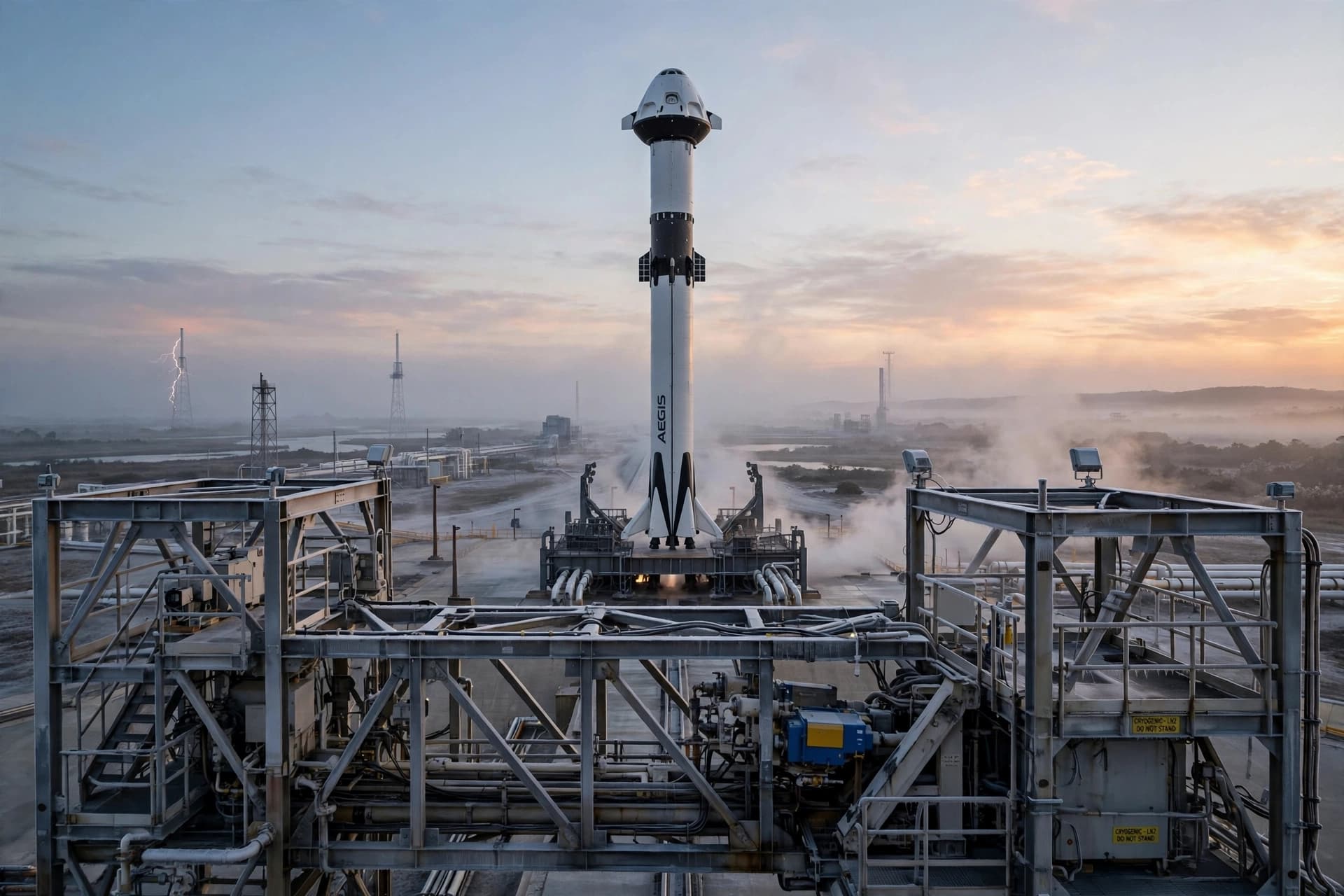
The distinction matters because modern space programs rarely depend on a single organization. Satellites, launch systems, scientific instruments, communications networks and ground infrastructure often require cooperation among companies, research institutions and government agencies.
Lunar exploration presents another layer of complexity. Missions beyond low Earth orbit require advanced navigation, communications, propulsion and scientific capabilities, while human spaceflight introduces additional requirements involving life-support systems, safety and crew operations.
For Türkiye, discussions with an established European aerospace company coincide with its broader effort to develop domestic space capabilities. TÜBİTAK’s participation also brings a research dimension, connecting industrial development with scientific work and technological development.
The upcoming congress in Antalya provides a physical meeting point for those ambitions. Researchers, companies and space agencies will be able to exchange ideas while Türkiye presents its growing space ecosystem to an international audience.
Whether the current discussions eventually produce formal contracts or long-term programs remains to be seen. For now, the significance lies in the widening range of subjects being discussed — from satellites close to Earth to the much farther horizon of the Moon.
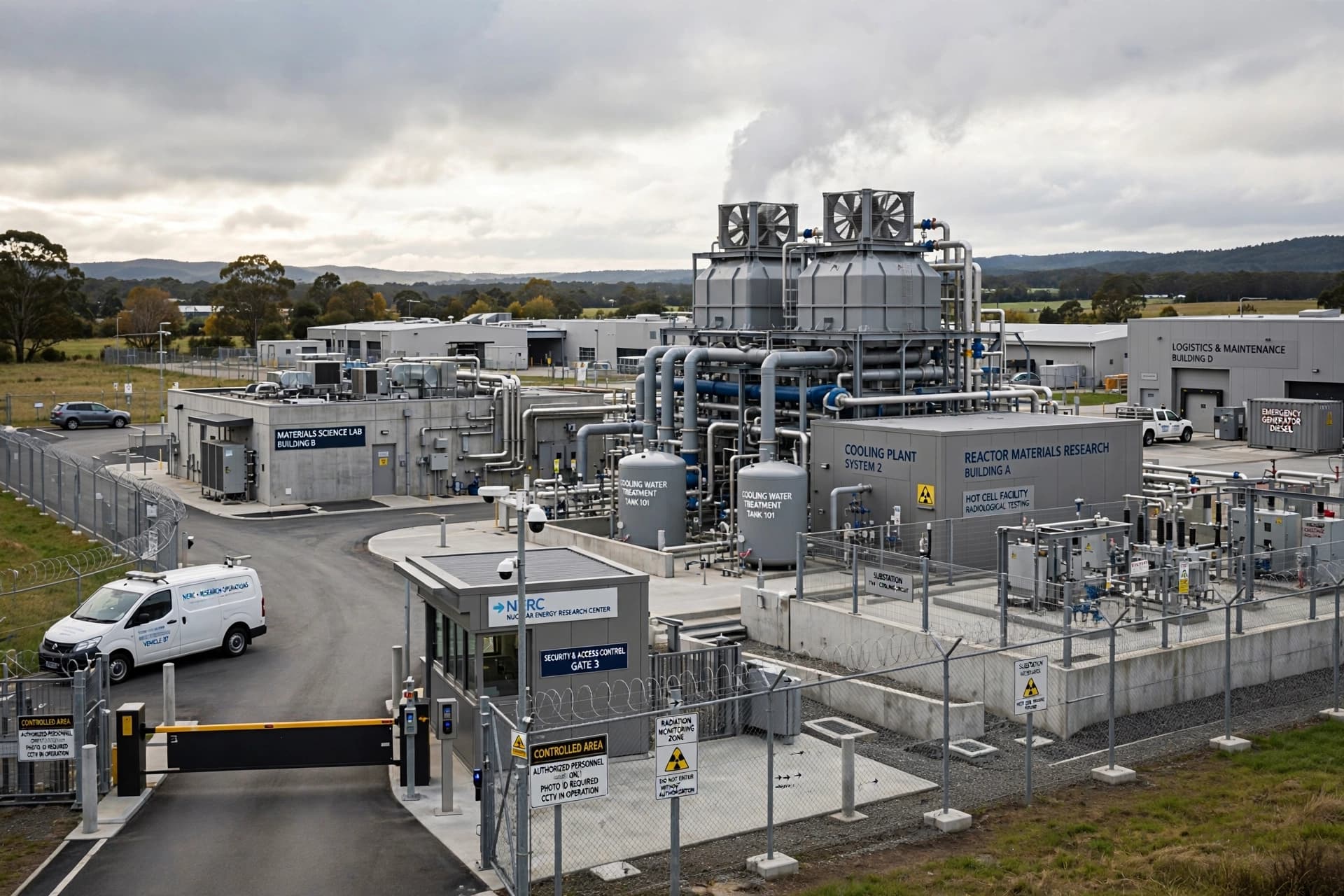
Image Disclaimer: The illustrations described below are conceptual visualizations created for editorial purposes and do not depict actual Airbus or Türkiye space missions.
Sources: Anadolu Agency; Airbus; TÜBİTAK; Turkish Space Agency.
Published by Banx Network. This article is part of the Banx decentralized media programme, powered by the BXE token on the XRP Ledger.