
There is a rhythm to the care of serious illness — a cadence shaped by medicine, by moments of hope, and by the quiet understanding that healing often depends on many unseen supports. This week in Ljubljana, that rhythm gained a new layer of meaning.
At the Onkološki inštitut Ljubljana, a specialized unit for clinical nutrition and gastrointestinal (GI) failure was officially opened, marking a significant development in how care is delivered to patients with complex needs.
The new department is the first of its kind in Slovenia to bring together clinical nutrition, tailored dietary therapy, and treatment for partial or complete failure of the digestive system under one organizational roof. It is designed to serve patients whose digestive tracts can no longer absorb the nutrients and fluids necessary for survival — a situation that can arise not only from advanced cancer and its treatments, but from severe inflammation, complications of surgery, or other gastrointestinal conditions.
For many cancer patients, nutrition becomes a frontline issue. Standard treatments and the disease itself often disrupt metabolism, diminish appetite, and lead to significant weight loss and muscle depletion — a condition known as cachexia. Studies conducted at the institute indicate that up to 85 % of cancer patients face some form of nutritional compromise, with nearly half experiencing significant challenges in maintaining adequate intake.
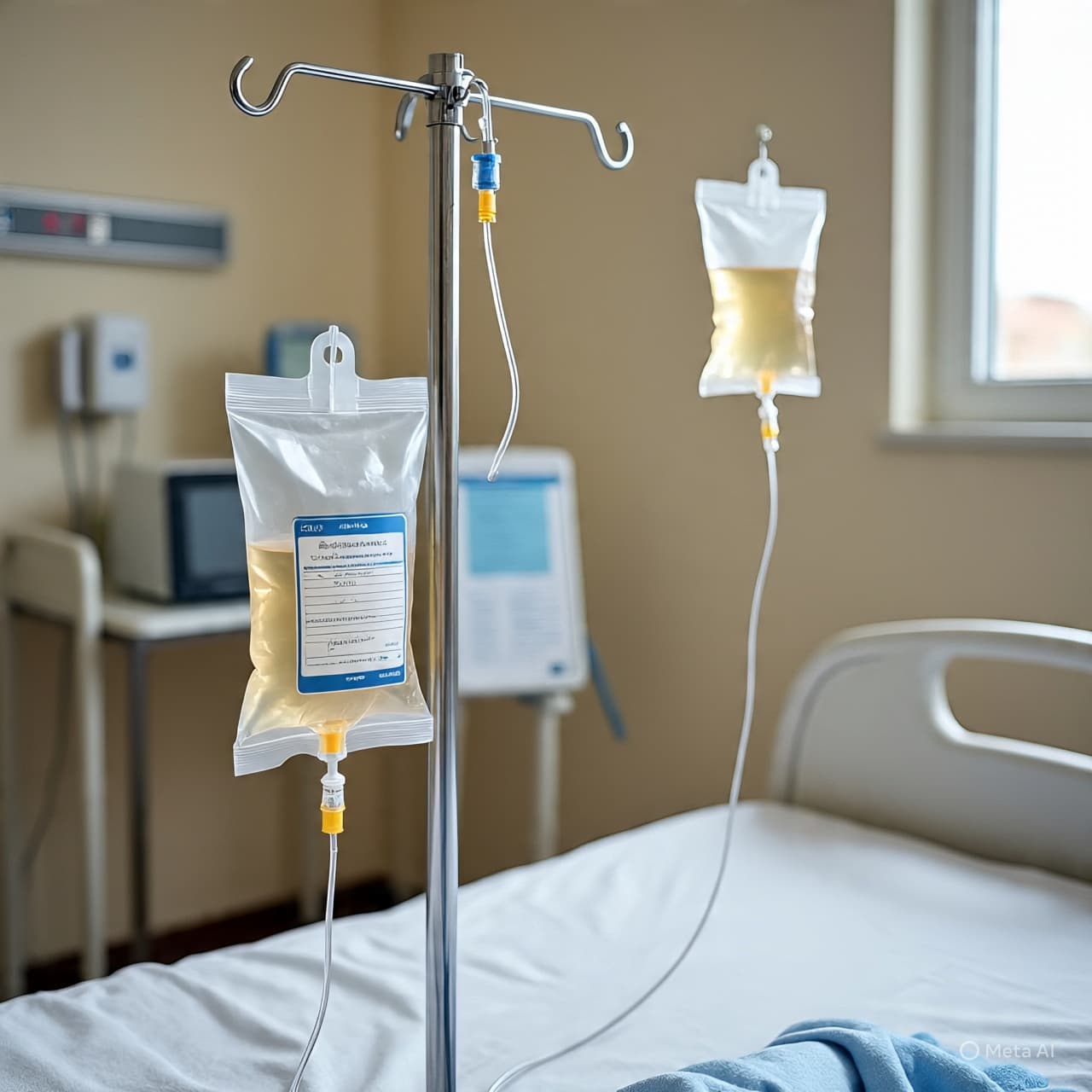
The new department will offer enteral and parenteral nutrition, meaning that patients who cannot eat normally may receive nutrients directly into the digestive tract or, where necessary, intravenously. Such care requires highly individualized planning, close monitoring, and a coordinated team of specialists, dietitians, and clinicians.
The opening ceremony was attended by Valentina Prevolnik Rupel, Slovenia’s Minister of Health, along with institute leadership and international experts in the field of GI failure care. Their presence underscored both the clinical importance of the unit and its alignment with broader international standards.
Patients with GI failure often face life‑threatening complications without such comprehensive support. By combining nutrition science with clinical practice, the Oncology Institute aims to improve quality of life, enhance treatment tolerance, and offer hope where traditional support systems fall short.
This initiative extends a long tradition — Slovenia’s first outpatient clinical nutrition service was established at the institute in 2008, and over the years its scope has expanded to meet growing needs. Today’s department represents not just a structural addition, but a reaffirmation that nutritional care is as critical as surgery or pharmaceuticals in the journey toward healing.
In the quiet corridors of treatment, where patients and families seek strength beyond diagnosis, this development resonates not just as medical progress, but as a new form of support when bodies can no longer nourish themselves in the simplest way.
AI Image Disclaimer Visuals are created with AI tools and are not real photographs.
Sources Ljubljanainfo.com Preberi.si Vizita.si
Published by Banx Network. This article is part of the Banx decentralized media programme, powered by the BXE token on the XRP Ledger.

.jpg&w=3840&q=75 "Qantas Grounds Plane After Passengers Report Bedbug Bites")