Citizenship is often viewed as a permanent bond, a legal and emotional tether to one’s homeland. Yet, for some, this connection becomes a matter of practical calculation rather than lifelong allegiance. In Indonesia, a recent trend has emerged where individuals are voluntarily relinquishing their citizenship, undeterred by the rising administrative costs associated with the process. Approximately three hundred people have recently applied to renounce their status as Indonesian citizens, signaling a shift in how identity and nationality are perceived in an increasingly globalized world. It is a quiet exodus, driven not by political unrest, but by personal convenience and economic pragmatism.
Body: The decision to renounce citizenship is rarely taken lightly, involving complex legal procedures and significant emotional weight. However, recent data from the Ministry of Law and Human Rights indicates a steady stream of applications, with around 300 individuals seeking to sever their legal ties to Indonesia in the latest reporting period. This number, while small relative to the total population, reflects a growing demographic of dual nationals or long-term expatriates who find single citizenship more advantageous for their lifestyles.
One might expect that increased fees for administrative services would deter such applications. Indeed, the government has adjusted tariffs for various civil registration services, including those related to citizenship renunciation. Yet, these financial barriers appear to have had little effect on the volume of requests. For those applying, the cost is likely outweighed by the long-term benefits of holding a different passport, such as ease of travel, business opportunities, or residency rights in other countries.
The motivations behind these decisions are diverse. Some applicants are children of mixed marriages who have acquired foreign citizenship by birth and wish to formalize their status. Others are professionals who have settled abroad and find that maintaining Indonesian citizenship complicates their tax obligations or legal standing in their new homes. For them, renunciation is a step toward simplifying their lives and aligning their legal identity with their daily reality.
This trend also highlights the evolving nature of national identity in the modern era. As borders become more permeable and digital connectivity increases, the concept of belonging is no longer tied exclusively to a single nation-state. Many individuals now identify as global citizens, prioritizing flexibility and mobility over traditional notions of patriotic duty. The act of renouncing citizenship, therefore, is not necessarily a rejection of Indonesia, but an adaptation to a borderless world.
Legal experts note that the process remains rigorous, requiring applicants to prove they have acquired another citizenship to prevent statelessness. This safeguard ensures that the right to a nationality is protected, even as individuals exercise their freedom to choose. The government’s role is to facilitate this transition while ensuring that all legal requirements are met, balancing individual rights with national sovereignty.
Despite the rise in applications, the overall impact on the national demographic is minimal. Indonesia remains a country with a strong sense of national pride and community. However, the phenomenon serves as a reminder that citizenship is a dynamic status, subject to change based on personal circumstances. It invites reflection on what it means to be a citizen in an age where mobility is both a privilege and a necessity.
Closing: As the number of renunciation applications continues, the conversation around citizenship evolves. It is no longer just about birthright, but about choice and circumstance. For the 300 individuals moving forward with this process, it represents a new chapter, one defined by the freedom to define their own legal and personal identities.
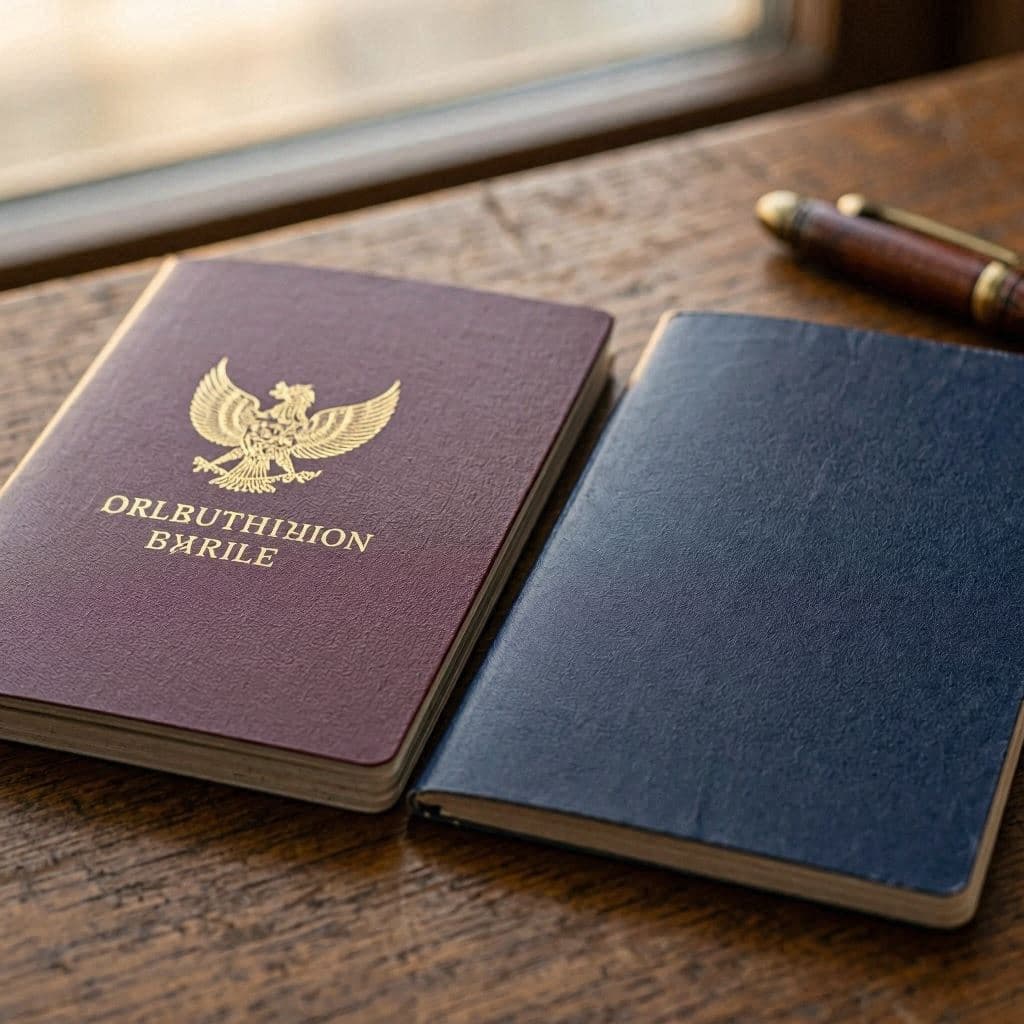
AI Image Disclaimer: The images accompanying this article are AI-generated conceptual illustrations of passports, legal documents, and global travel, designed to reflect the themes of citizenship and mobility.
Sources: CNN Indonesia Ministry of Law and Human Rights (Indonesia) Tempo.co Kompas.com
Published by Banx Network. This article is part of the Banx decentralized media programme, powered by the BXE token on the XRP Ledger.