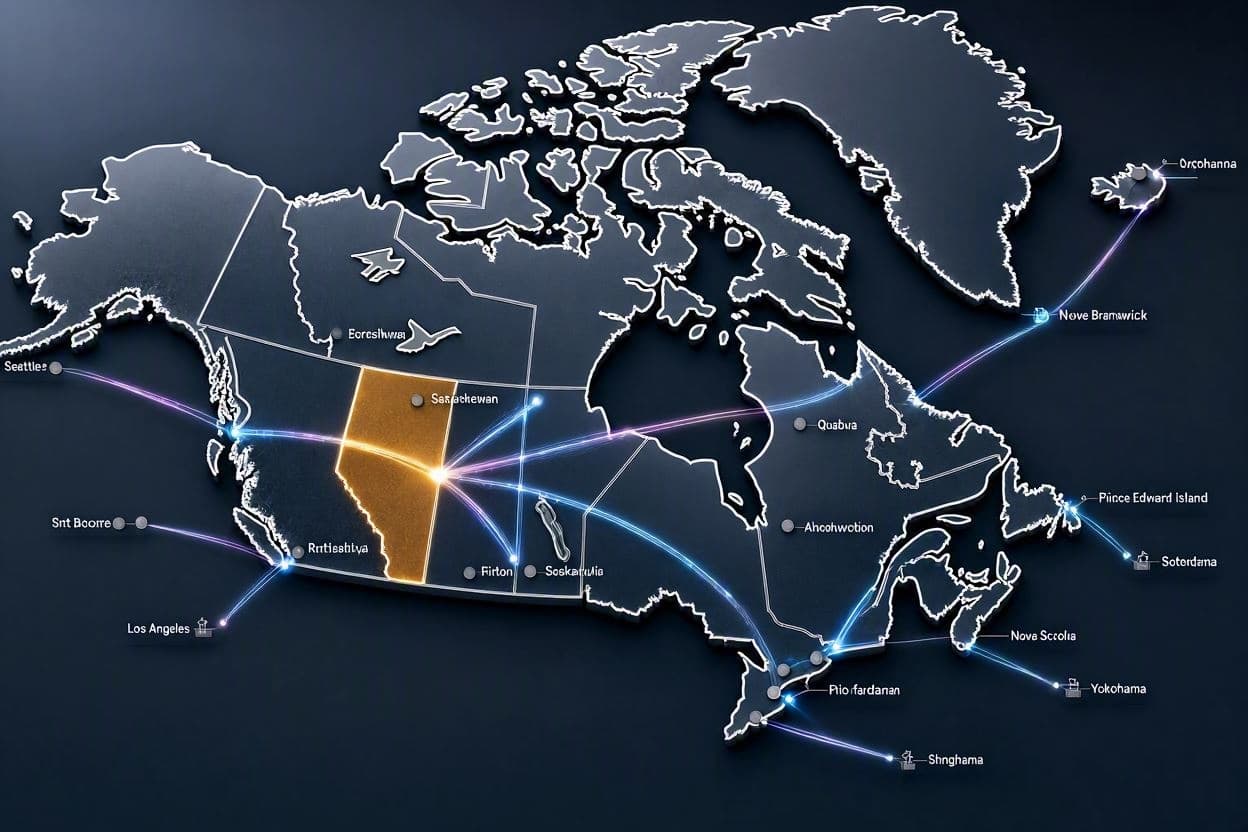
The bonds that tie provinces together are woven from threads of history, economics, and shared identity. In Alberta, a movement advocating for independence has sparked a profound conversation about the nature of these connections. While no official provincial vote on independence is currently scheduled or legally binding under Canadian constitutional law, the rhetoric surrounding the idea highlights the deep economic interdependencies that exist between Alberta, the rest of Canada, and the global community.
Alberta is a powerhouse in energy production, particularly oil and gas, which fuels much of the national economy. Its resources are exported across the country and to international markets, creating a web of trade relationships that benefit all parties. Separatist sentiments often arise from feelings of political alienation or economic disparity, but the practical implications of severing these ties are complex and far-reaching. Experts warn that disruption could lead to significant economic instability for both Alberta and Canada.
The international community watches these discussions with interest, as Canada is a key player in global trade agreements and diplomatic relations. A fractured Canada could weaken its negotiating power and alter supply chains that many nations rely on. Stability is prized in international markets, and uncertainty regarding the unity of a G7 nation can have ripple effects on investment and commerce. Thus, the stakes extend far beyond domestic politics.
Proponents of greater autonomy argue that Alberta could thrive independently, leveraging its resources and entrepreneurial spirit. They point to examples of small, resource-rich nations that have succeeded on the global stage. However, critics note that independence would require establishing new currency, border controls, and trade deals, processes that are costly and time-consuming. The transition could involve significant short-term pain for long-term gain, a gamble that many residents are hesitant to take.
Dialogue between federal and provincial leaders remains essential in addressing the underlying grievances that fuel separatist movements. Issues such as equalization payments, environmental regulations, and infrastructure investment are often at the heart of the debate. Finding solutions that respect regional differences while maintaining national unity is a delicate balancing act that requires patience and compromise.
Public opinion in Alberta is divided, with many residents valuing their Canadian identity alongside their provincial pride. Polls suggest that while dissatisfaction with federal policies exists, support for full independence remains a minority view. Most Albertans prefer to work within the federation to effect change, seeking reform rather than separation. This preference underscores the resilience of the Canadian partnership.
As the conversation continues, it is important to approach the topic with nuance and respect for differing viewpoints. Democracy thrives on debate, and these discussions can lead to positive reforms if handled constructively. The goal should be to strengthen the federation by addressing legitimate concerns, ensuring that all regions feel valued and heard.
In the end, the question of independence is not just about politics; it is about the future of a community. Whether through reform or retention of the status quo, the path forward requires a commitment to dialogue and mutual understanding. The strength of Canada lies in its ability to adapt and unite, even in the face of challenging questions.
AI Image Disclaimer: Images used in this article are AI-generated to represent the themes of political discourse and economic interconnection, avoiding any depiction of specific political figures or protest scenes.
Sources: CBC News, The Globe and Mail, Alberta News, Reuters
Published by Banx Network. This article is part of the Banx decentralized media programme, powered by the BXE token on the XRP Ledger.