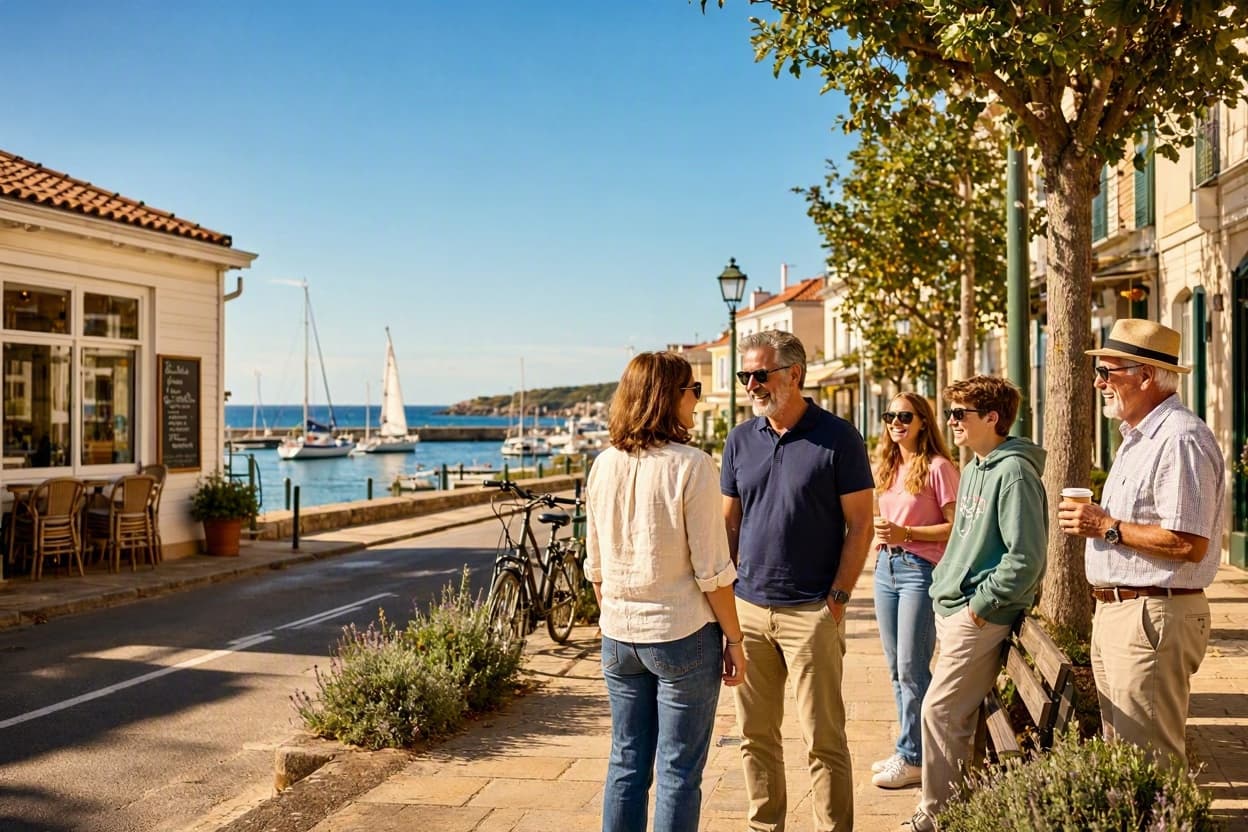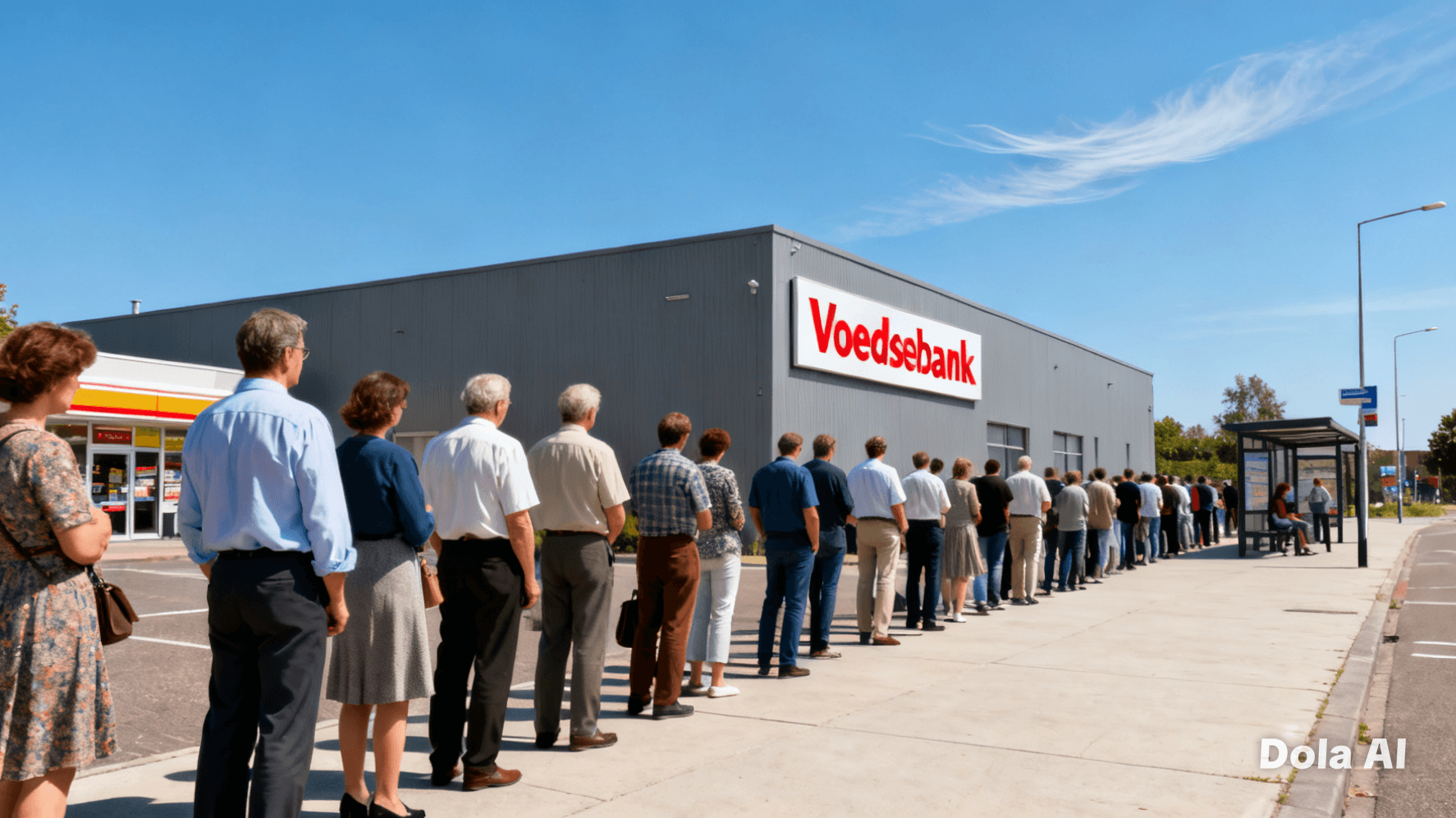
There are moments in a community’s story that feel like a quiet shift in the wind — almost imperceptible at first, yet marked by subtle changes in everyday life. Across towns and cities in the Netherlands, food bank volunteers and staff have noticed something that invites broader reflection. Alongside the people traditionally associated with seeking food aid, new faces have begun to appear: self‑employed professionals and retirees, some of whom live in their own homes and own cars — symbols once taken as signs of financial stability.
It is in the gentle spaces between what we expect and what we observe that a deeper understanding begins. Zzp’ers — those who have built their livelihoods through freelance work or independent contracts — have been part of Dutch society’s flexible economic fabric for years. Yet recent shifts in workload, client availability, and economic pressures mean that many of these individuals are feeling the squeeze more acutely than before. Meanwhile, older residents living on AOW pensions — once assured of modest but dependable monthly income — find themselves negotiating rising costs for essentials like food and energy. To reach the doors of a food bank is not a choice made lightly; it is a moment that blends practical need with a hint of humility.
In lines that wind around distribution centers and in conversations at intake desks, the stories stretch beyond mere statistics. People speak of dwindling savings, unexpected bills, or months without enough work to cover both mortgage and groceries. The presence of a house key and a vehicle in the driveway does not erase the tension of trying to balance mounting expenses against limited income. Volunteers at Voedselbanken Nederland have shared their concerns, noting that while some applicants once fit traditional notions of financial hardship, others carry the marks of an economy where stability can feel fragile.
For the community, seeing neighbors — friends, parents, or colleagues — in these queues has stirred gentle but earnest reflection. It is an invitation to look beyond assumptions and consider how economic dynamics affect different lives. A pension or past professional success does not always shield against hardship, especially in times of inflation or labor market uncertainty. Such shifts remind us that vulnerability can appear in many forms and that the lines between independence and support are neither simple nor static.
In response to this trend, food banks continue their mission of providing essential aid to those in need, regardless of background or circumstance. The message from organizers is clear: assistance is offered without judgment, grounded in the belief that no one should have to choose between basic necessities and dignity. As these stories unfold, they encourage ways of thinking that balance empathy with practical understanding — a quiet call to acknowledge the changing contours of financial life.
AI Image Disclaimer Visuals are created with AI tools and are not real photographs; they are conceptual depictions meant for illustration only.
Sources : AD — coverage of zzp’ers and AOW’ers at food banks. PZC — regional reporting on the same trend. VerzekeringsNieuws — secondary reporting citing AD.
Published by Banx Network. This article is part of the Banx decentralized media programme, powered by the BXE token on the XRP Ledger.