
Key Highlights
- Emergency Status:Authorities declared an emergency response across 24 subdistricts in Garut due to natural disturbances.
- Impact:Floods, landslides, and shifting weather patterns disrupted daily life and access to essential services.
- Community Response:Local governments and disaster management agencies mobilized resources to assist affected residents.
Garut, a region known for its natural beauty, is currently grappling with a series of environmental challenges that have escalated into a significant crisis. In early 2026, the local government declared an emergency response status across 24 subdistricts as floods, landslides, and erratic weather patterns wreaked havoc on the area. This multifaceted situation has not only disrupted daily life but has also raised questions about the broader implications of environmental management and preparedness.
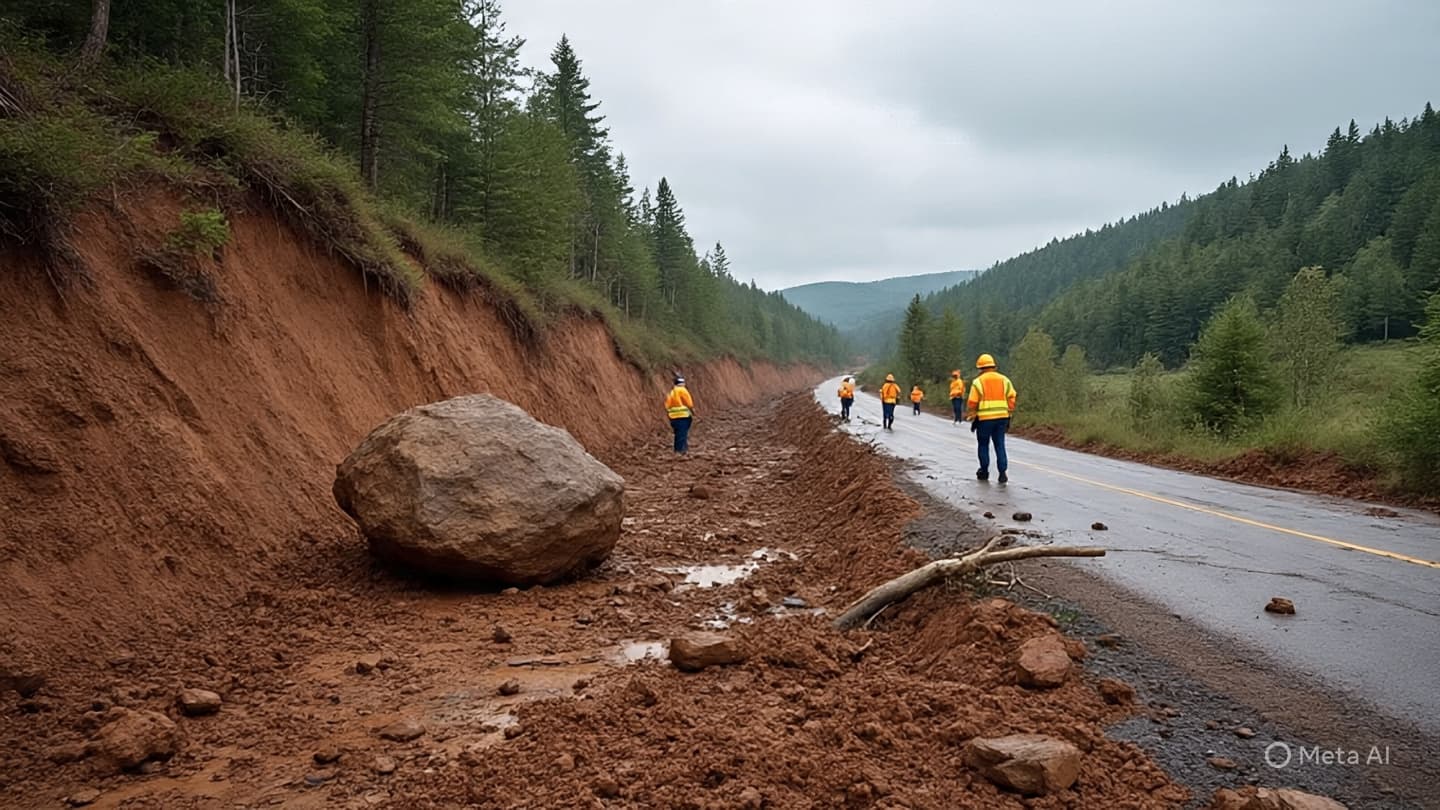
The emergency declaration was a necessary step, reflecting the urgency of the situation. Roads became impassable, homes were damaged, and the daily routines of residents were thrown into disarray. Local authorities, in collaboration with disaster management agencies, swiftly mobilized resources to provide assistance. Evacuations were organized, and logistical support was offered to those in need, showcasing the importance of coordinated action in times of crisis.
As the situation unfolded, it became clear that the challenges faced by Garut were not isolated incidents but rather interconnected issues stemming from both natural and human-induced factors. While the immediate focus remained on response efforts, discussions began to surface regarding the role of land management practices and environmental stewardship in mitigating such disasters. The interplay between natural phenomena and human activity is complex, and understanding this relationship is crucial for future preparedness.
For the residents of Garut, the immediate concerns revolve around safety and stability. Temporary shelters have been established, and community cooperation has emerged as a vital component of the recovery process. The resilience of the local population is evident as they come together to support one another during this challenging time. The hope for a return to normalcy is palpable, yet the path forward remains uncertain.
Garut's experience serves as a poignant reminder that disasters often manifest as a series of interconnected challenges rather than singular events. The ongoing emergency highlights the need for sustained attention and a commitment to recovery that encompasses both immediate response and long-term strategies for environmental management. As the region navigates this crisis, the lessons learned will be invaluable in shaping future responses to similar challenges.
In conclusion, the situation in Garut underscores the importance of preparedness, community resilience, and the need for a holistic understanding of the delicate balance between human activity and the environment. As recovery efforts continue, the focus will remain on ensuring the safety and well-being of residents while fostering a deeper understanding of the factors that contribute to such widespread disruptions.
Published by Banx Network. This article is part of the Banx decentralized media programme, powered by the BXE token on the XRP Ledger.



