There are moments when public policy feels less like a single conversation and more like two distant currents passing through the same sea. One current moves through the rhythms of daily work—how people commute, where they sit, how cities breathe in the morning. The other flows far beyond borders, shaped by oil routes, geopolitical tension, and the quiet pressure of global supply chains. When these currents overlap, even indirectly, they begin to influence how nations frame choices at home.
In Australia, recent remarks from Anthony Albanese regarding working-from-home arrangements have entered this wider atmosphere of debate. The discussion itself is not new, yet it has returned with renewed attention at a time when external pressures—particularly energy market uncertainty linked to Middle East instability—are once again shaping economic expectations.
The working-from-home question, once defined by necessity during the pandemic, has gradually evolved into a broader reflection on productivity, urban life, and economic efficiency. For some, remote work represents a lasting shift toward flexibility and modern workplace design. For others, it raises concerns about reduced city activity, weaker office economies, and the long-term structure of labor markets. When political leaders respond to this debate, their language often seeks balance rather than division, acknowledging both the appeal of flexibility and the importance of cohesion in economic activity.
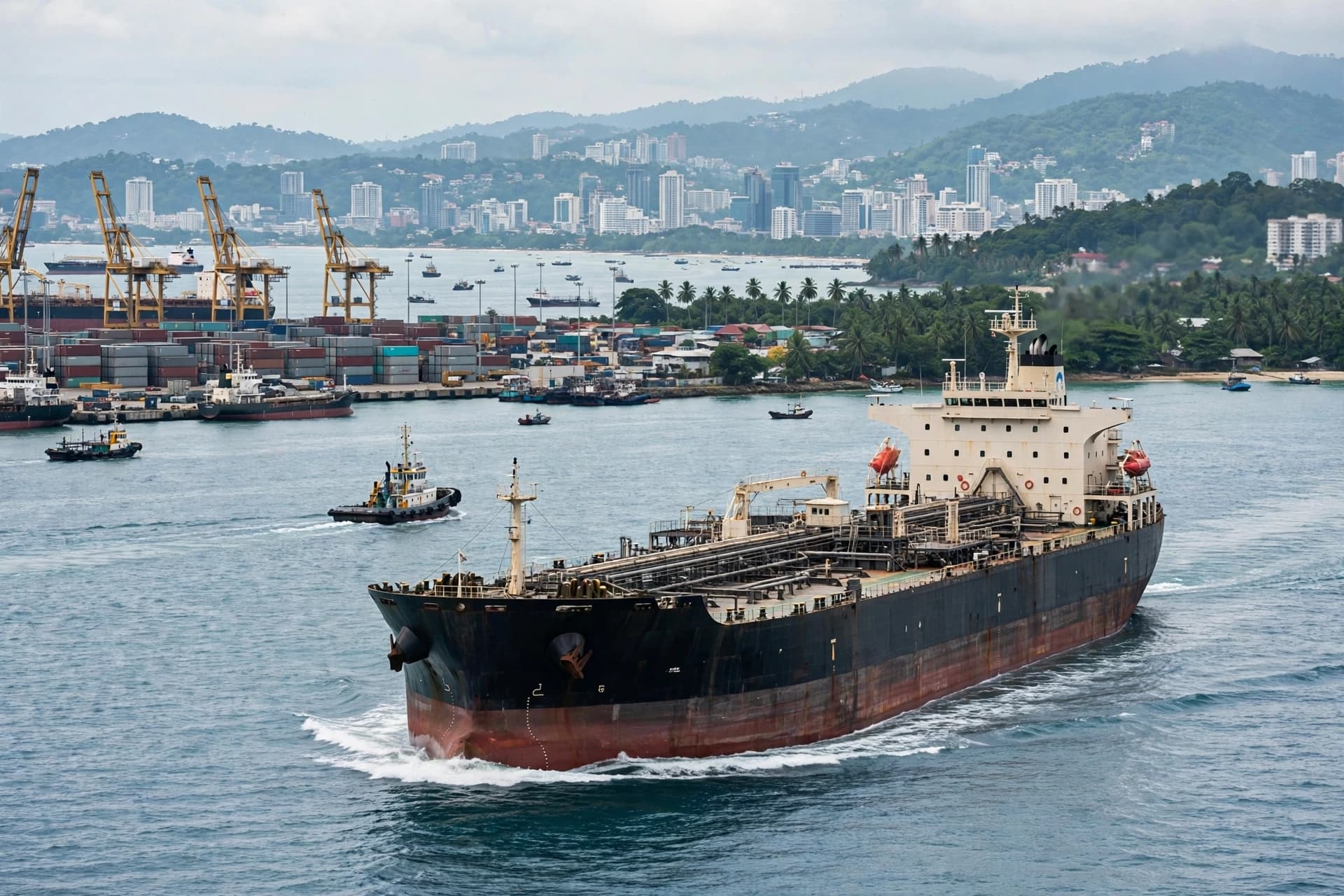
At the same time, global energy markets are moving under a different kind of weight. Developments in the Middle East continue to influence crude oil pricing and fuel supply expectations, even when physical disruptions are not fully realized. Markets tend to respond early—sometimes even before events occur—adjusting freight costs, insurance premiums, and inflation forecasts in anticipation of possible constraints.
This is where the two narratives begin to intersect, not directly but through economic transmission. Fuel prices remain a foundational input for transportation, logistics, and household expenses. When energy costs rise or become volatile, governments often face increased sensitivity around domestic cost-of-living pressures. In that environment, even discussions about work arrangements can take on added significance, as commuting patterns and productivity structures become part of a broader economic equation.
The policy response, however, is rarely shaped by a single factor. It is more often a process of gradual calibration, where governments weigh domestic preferences against external economic conditions. Statements from leadership tend to reflect this balancing act, acknowledging workplace flexibility while remaining attentive to the broader inflationary and energy environment.
Market participants interpret these developments through their own lens. For them, uncertainty in energy supply—whether actual or perceived—feeds into expectations about interest rates, inflation, and currency stability. These expectations, in turn, shape how economic policy discussions are received and interpreted, even when they originate in separate domains.
For Australia, the broader context is particularly relevant. As an economy connected to global energy pricing and trade flows, shifts in oil markets can quickly filter into transport costs and household budgets. This makes energy stability not just an external concern, but a domestic one that influences the backdrop against which policy debates unfold.
For now, there is no abrupt policy shift and no confirmed disruption to fuel supply chains. But the environment remains sensitive, shaped by overlapping signals from geopolitics and domestic economic discussion. The conversation around work arrangements continues, just as energy markets continue to adjust to global developments. Between them sits a shared reality: modern economies rarely move in isolation, and even distant events can subtly reshape decisions made at home.
AI Image Disclaimer Visuals are created with AI tools and are not real photographs.
Source Check Credible reporting and policy context exist. Key sources include:
Reuters BBC News ABC News Australia The Guardian Financial Times
Published by Banx Network. This article is part of the Banx decentralized media programme, powered by the BXE token on the XRP Ledger.