

Key Highlights
- U.S.-Iran negotiations in Islamabad ended without agreement after 20 hours.
- The failure raises fears of renewed conflict and economic instability.
- Oil prices surged sharply following the announcement of a maritime blockade.
Recent diplomatic efforts between the United States and Iran have reached a critical juncture, as negotiations held in Islamabad concluded without a resolution. After more than 20 hours of discussions, officials from both nations cited incompatible demands as the primary reason for the breakdown, particularly concerning Iran's nuclear ambitions and its influence in the region. This failure not only underscores the persistent divisions between the two countries but also raises alarms about the potential for escalating tensions in an already volatile area.
The immediate fallout from the failed talks is significant. A ceasefire that had been tenuously holding is now at risk of collapse, with analysts warning that the lack of progress could lead to renewed military confrontations. Both the U.S. and Iran maintain active military capabilities, and the absence of diplomatic breakthroughs increases the likelihood of conflict. The situation is further complicated by the U.S. announcing plans for a maritime blockade aimed at Iranian oil routes, a move that Iran has threatened to retaliate against, particularly concerning shipping lanes in the Gulf.
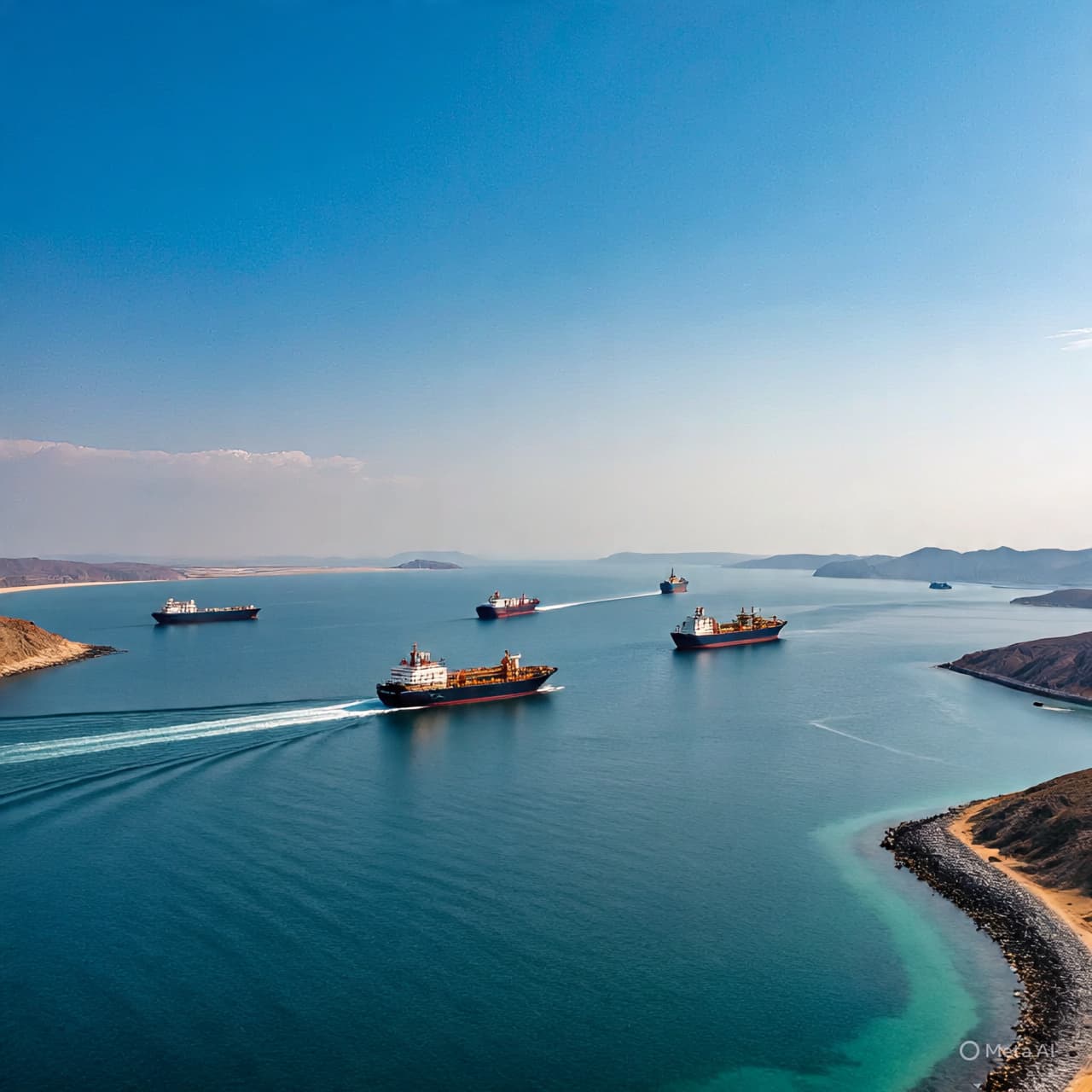
The Strait of Hormuz, a crucial passage for global oil transport, has once again become a focal point of international concern. Following the announcement of the blockade, oil prices surged sharply, reflecting market anxiety over potential disruptions to supply. Regional stock markets have reacted with volatility, as Gulf economies brace for the economic implications of heightened geopolitical tensions. The fear of instability is palpable, with many investors and analysts closely monitoring developments.
Beyond the immediate economic impacts, the psychological toll on civilians in the region is becoming increasingly evident. Reports indicate that many individuals across Arab nations are experiencing heightened anxiety and stress, exacerbated by the looming threat of conflict and the haunting memories of past wars. For these communities, the specter of violence is not merely a distant concern but a deeply personal reality that shapes their daily lives.
Diplomatic observers note that while the failure of these talks does not signify the onset of full-scale war, it does represent a precarious moment in U.S.-Iran relations. Communication channels, though strained, remain open, but each day that passes without a resolution heightens the risk of inflammatory rhetoric escalating into military action. The stakes are high, and the potential for miscalculation looms large.
Political dynamics within the United States also play a crucial role in shaping the trajectory of this conflict. Some political leaders advocate for a more aggressive military posture, while others caution against the long-term consequences of escalation, both economically and strategically. This internal division complicates the U.S. response and adds another layer of uncertainty to an already complex situation.
As the region watches closely, the failure of these negotiations does not mark the end of diplomatic efforts but rather complicates the path forward. The future may hinge not only on strategic calculations but also on the timing of actions taken and whether restraint can prevail in the absence of agreement. The world remains on edge, waiting to see how this delicate situation will unfold in the coming days and weeks.
Published by Banx Network. This article is part of the Banx decentralized media programme, powered by the BXE token on the XRP Ledger.




