
Key Highlights
- Interview Focus:Abbas Araghchi discusses Iran's geopolitical stance.
- Key Themes:Restraint, sovereignty, and risk acknowledgment.
- Ongoing Dialogue:No immediate policy shifts announced.
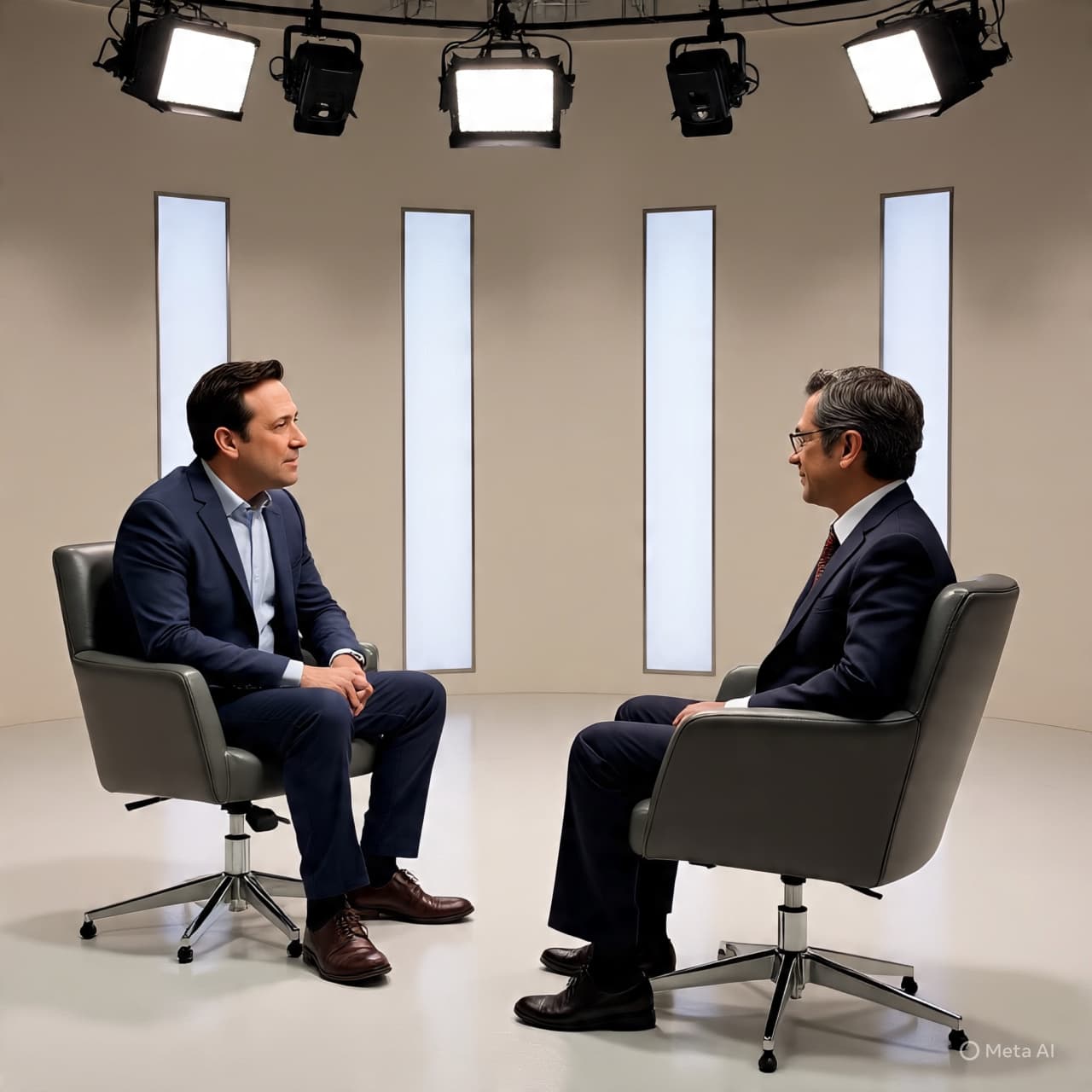
In a recent interview, Iranian Foreign Minister Abbas Araghchi provided insights into Iran's current geopolitical strategy, reflecting on the delicate balance of restraint and sovereignty amid rising tensions in the region. His remarks, while measured, suggest a nuanced approach to diplomacy that prioritizes internal agency over external pressures.
One of the primary themes that emerged from Araghchi's interview is the emphasis on restraint. This concept is framed not as a sign of weakness or hesitation but rather as a strategic choice that acknowledges the existing tensions without yielding to them. Araghchi's comments suggest that patience is a calculated response, indicating that Iran is aware of the geopolitical landscape but is not yet ready to act impulsively. This perspective positions restraint as a tactical maneuver, allowing Iran to maintain its composure while navigating complex international relations.
Another significant theme is the assertion of sovereignty and self-definition. Araghchi's language reflects a commitment to maintaining Iran's agency in the face of external pressures. He articulates a narrative that balances openness to dialogue with a firm stance on national boundaries. This delicate articulation implies that while Iran is willing to engage in discussions, it will do so on its own terms, shaped by internal considerations rather than imposed externally. This approach underscores the importance of self-determination in Iran's foreign policy.
Additionally, the interview acknowledges the risks associated with potential escalation in the region. Araghchi's tone suggests that while the possibility of conflict remains, it is neither inevitable nor desired. This distinction between preparedness and intention is crucial, as it indicates that Iran is not seeking confrontation but is nonetheless aware of the complexities of its security environment. The interview implies that outcomes are still fluid, and diplomatic efforts may still yield positive results.
The broader context surrounding Araghchi's remarks is essential for understanding their significance. The geopolitical landscape is shaped by interactions with various regional actors, and each statement made by Iranian officials enters a complex environment filled with historical tensions and expectations. Even a carefully measured interview can have far-reaching implications, influencing perceptions and potentially guiding future diplomatic decisions.
As analysts and officials continue to dissect the implications of Araghchi's interview, it remains a critical piece of the ongoing dialogue surrounding Iran's foreign policy. While no immediate policy shifts have been announced, the themes discussed in the interview contribute to a larger narrative that is still unfolding. Observers are left to consider not only the content of Araghchi's words but also the spaces between them—the pauses, emphases, and the intricate balance of diplomacy that Iran seeks to maintain.
In conclusion, Araghchi's interview serves as a reminder of the complexities inherent in international relations, particularly in a region as volatile as the Middle East. As the situation evolves, the insights gleaned from this conversation will likely continue to resonate within the broader discourse on Iran's role in global affairs.
Published by Banx Network. This article is part of the Banx decentralized media programme, powered by the BXE token on the XRP Ledger.



