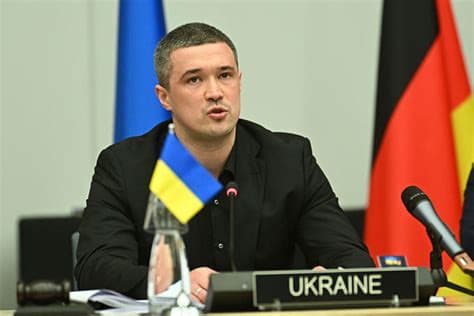
In the gentle unfolding of a late winter’s day, when horizons seem suspended between the quiet of snowfall and the promise of warmer rays yet to come, there is a kind of gathering that feels as purposeful as the turning of the seasons. Such is the mood enveloping Munich as leaders from across the world prepare to convene — a moment stitched together with reflection, with tentative hope, and with the measured cadence of shared concern.
At the heart of this gathering stands Ursula von der Leyen, President of the European Commission, who will join the 2026 Munich Security Conference in the Bavarian capital from February 13 to 15. Her presence, alongside foreign ministers, heads of state, and representatives from NATO and allied nations, reflects the thoughtful journey of diplomacy in an era that often tests both conviction and patience.
This year’s conference arrives amid what many observers describe as one of the most complex security landscapes since the end of the Cold War. Geopolitical tensions simmer in various regions, alliances are navigating new contours, and questions about the resilience and cohesion of the international order thread through every discussion.
For von der Leyen, the conference is not merely a stage for public addresses, but a space to weave into the broader tapestry of European and transatlantic cooperation. Her schedule in Munich includes a keynote speech that is anticipated to articulate pillars of shared security and collective responsibility, as well as a series of bilateral meetings aimed at strengthening partnerships on issues as varied as cybersecurity, energy security, and sustainable growth.
In the soft light of diplomatic exchange, every handshake and conversation holds a quiet weight — because the challenges on today’s agenda are not ones easily answered by a single nation or voice. The aim of gatherings like Munich’s, in their very essence, is to invite dialogue that transcends borders; to foster understanding even where accord may be imperfect; and to remind those who lead that the bonds of alliance carry ripples far beyond the halls in which they meet.
European leaders, including von der Leyen, have in recent months underscored the need for both unity and adaptability in the face of evolving global dynamics. At home and abroad, these conversations thread through how Europe secures its future, how it supports partners in need, and how it balances cooperation with autonomy.
Yet even as debates unfold in formal sessions, there exists in such gatherings an unspoken narrative about the shared humanity behind policy — a reminder that beyond the rhetoric of security, there lies the quiet work of forging a world that responds not only to threats, but to the aspirations of millions who look toward leaders for stability, certainty, and hope.
By the time discussions draw to a close and delegates disperse from Munich’s halls, the impact may be seen not in singular pronouncements, but in the collective steps taken together. In that gentle unfolding — much like the first hint of spring — there is a sense that even in a world of unpredictable currents, thoughtful engagement remains a compass not easily forsaken.
AI Image Disclaimer “Graphics are AI-generated and intended for representation, not reality.”
Credible Mainstream / Official Sources PubAffairs Bruxelles – official EU press on von der Leyen’s participation. The Guardian (world politics) – context of European security debates ahead of MSC. Al Jazeera – global geopolitical context for the Munich Security Conference. Agenzia Nova – coverage of Munich Security Conference’s setup and timing. Reuters – broader EU policy context on security and integration ahead of the event.
Published by Banx Network. This article is part of the Banx decentralized media programme, powered by the BXE token on the XRP Ledger.