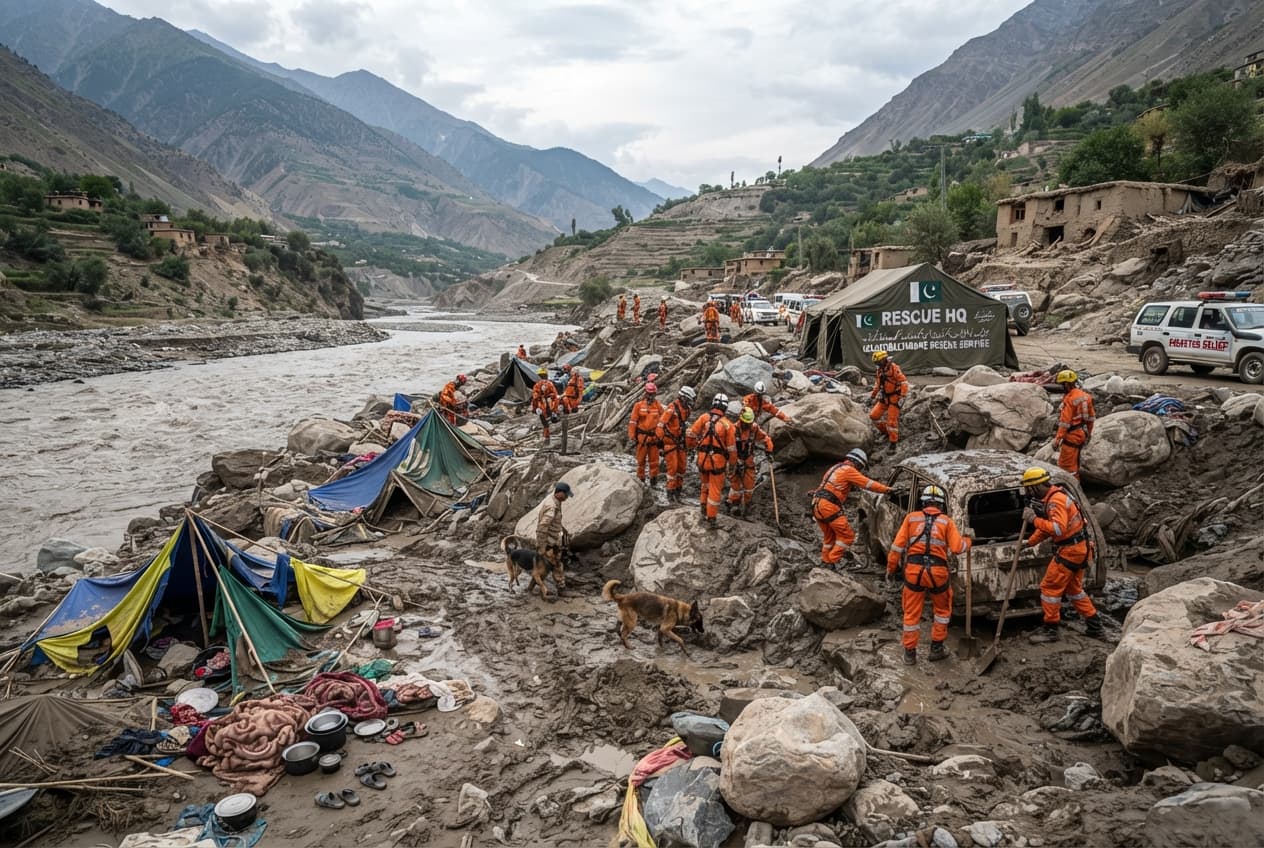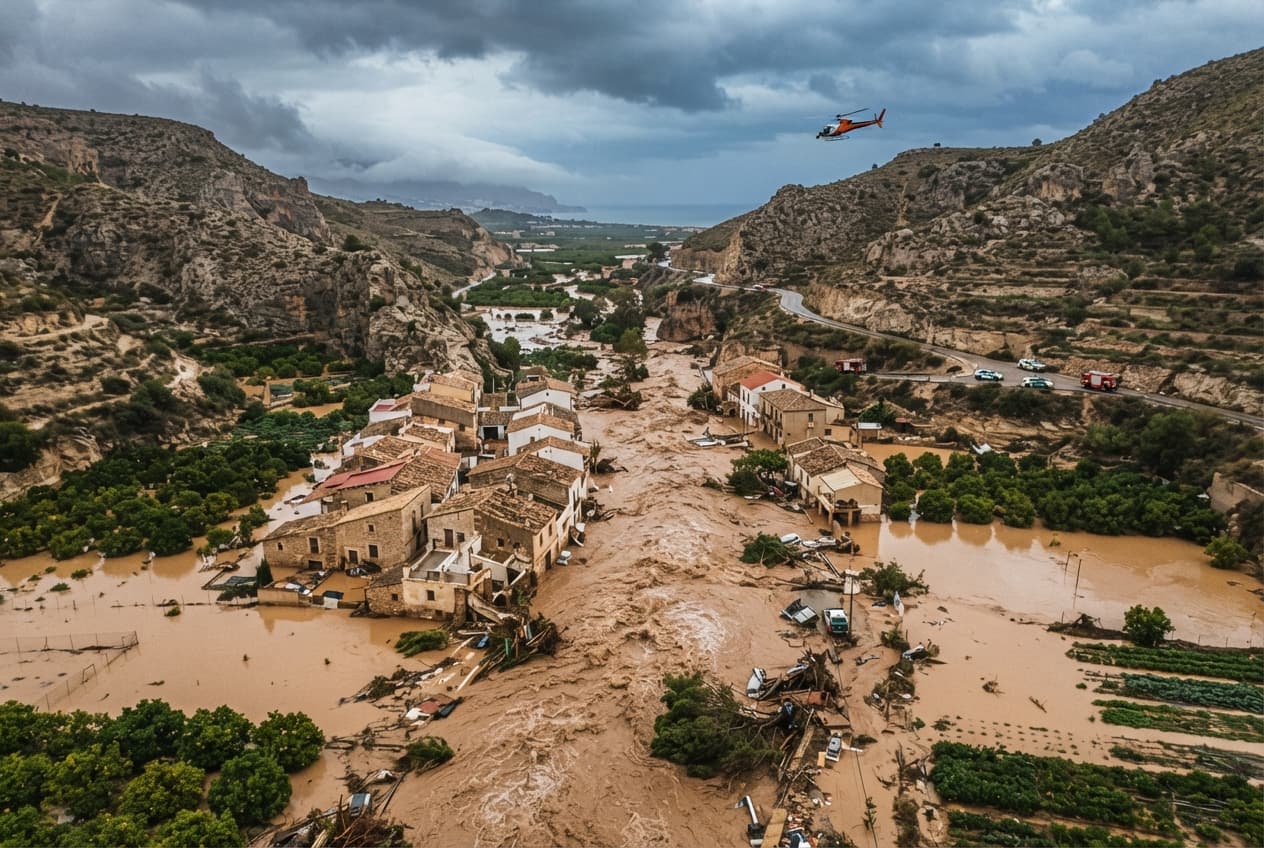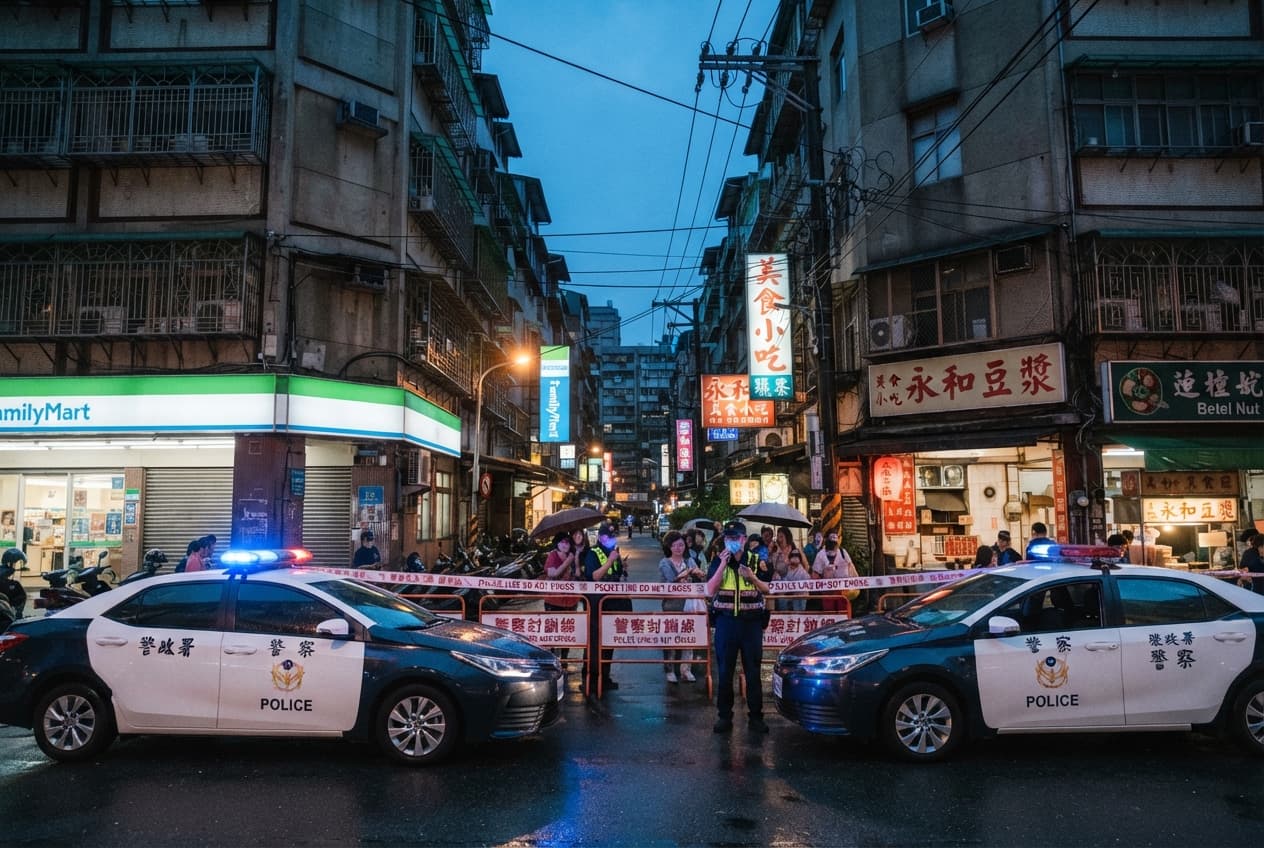
In the cold grip of a Ukrainian winter, daylight advances slowly, pale and deliberate, as though inching forward against snow and season alike. In towns and villages where warmth and illumination usually arrive at the flip of a switch, a different quiet has settled — one defined not by rest, but by absence. Electricity, that low and constant companion of modern life, has faltered, leaving darkness to stretch across streets and homes.
This latest disruption has unfolded not only on battle maps, but deep within the infrastructure that sustains everyday existence. Ukrainian drone strikes have damaged energy facilities in Russian-controlled areas of southern Ukraine, according to authorities installed by Moscow. The strikes reportedly severed key transmission lines across the Zaporizhzhia region, cutting power to hundreds of thousands of households spread across nearly four hundred settlements. The outages arrived amid freezing temperatures, sharpening the impact on residents already living under the weight of prolonged conflict.
In places now dimmed, the consequences surface quietly. Heaters fall silent. Refrigerators hum no more. Windows that once glowed in the early evening now reflect only candlelight or the faint shimmer of phone screens conserved for emergencies. For many, the blackout is not a single event but a rhythm of interruption, returning again and again as repair crews struggle against cold, damage, and the risk of renewed strikes.
These outages form part of a wider pattern that has marked the war’s passage through successive winters. Russia has continued to target Ukraine’s own power grid, while Ukrainian forces have increasingly struck energy assets in occupied territory. Each blow reverberates beyond its immediate location, transforming power stations and substations into sites where military objectives intersect with civilian endurance.
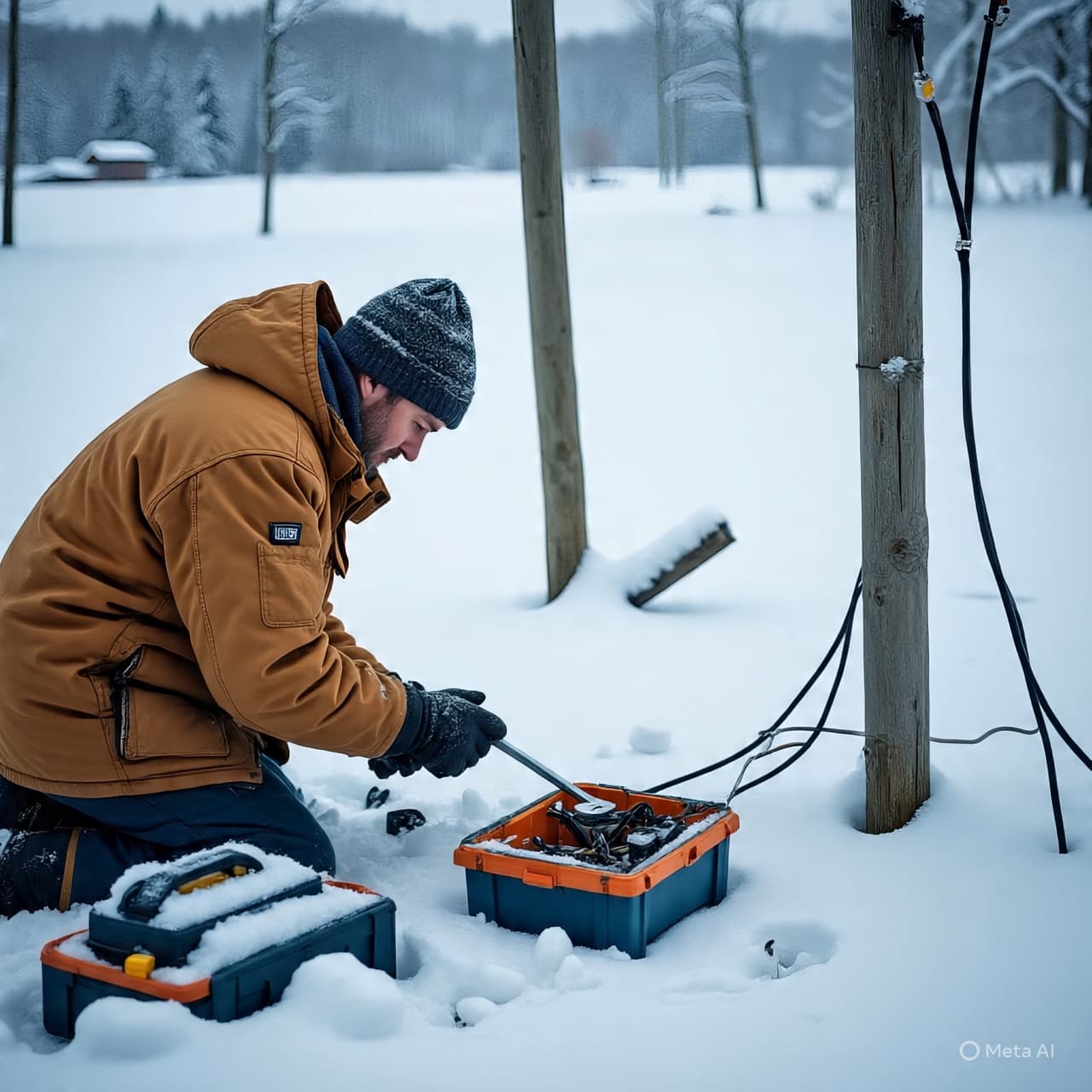
Repair efforts are underway, though progress remains uneven. Crews work cautiously, often under threat, restoring lines section by section. In the meantime, residents adjust their routines, gathering in shared spaces, relying on generators where available, and measuring time not by hours but by the return of light.
As night yields once more to a pale dawn, the outages remain a reminder that modern war is fought not only with weapons, but through the systems that quietly support daily life. Electricity, once invisible, becomes tangible in its absence — a marker of vulnerability and resilience intertwined.
In straightforward terms, Ukrainian drone strikes damaged energy infrastructure in Russian-controlled parts of the Zaporizhzhia region, leaving more than 200,000 households without power across hundreds of settlements. Authorities say restoration work is ongoing as winter conditions persist.
AI Image Disclaimer Illustrations were created using AI tools and serve as conceptual representations.
Sources Reuters Associated Press The Guardian BBC News Sky News
Published by Banx Network. This article is part of the Banx decentralized media programme, powered by the BXE token on the XRP Ledger.