In London’s late-winter haze, where the air hangs heavy over Westminster’s ancient stones, the corridors of power turned their gaze eastward. On the fourth anniversary of Russia’s full-scale invasion of Ukraine, Britain announced what officials described as its largest sanctions package since the first missiles fell — a sweeping expansion of economic pressure, unveiled with calm precision and political resolve.
Foreign Secretary Yvette Cooper stood in Kyiv to deliver the statement, a symbolic gesture of solidarity that carried both weight and restraint. Nearly three hundred individuals, companies, and vessels have been added to Britain’s sanctions register, widening the scope of restrictions across energy, finance, and technology. The new measures strike at the heart of Russia’s oil infrastructure and the networks that sustain its flow — an attempt not of immediate punishment but of gradual constriction, tightening the margins through which war is financed.
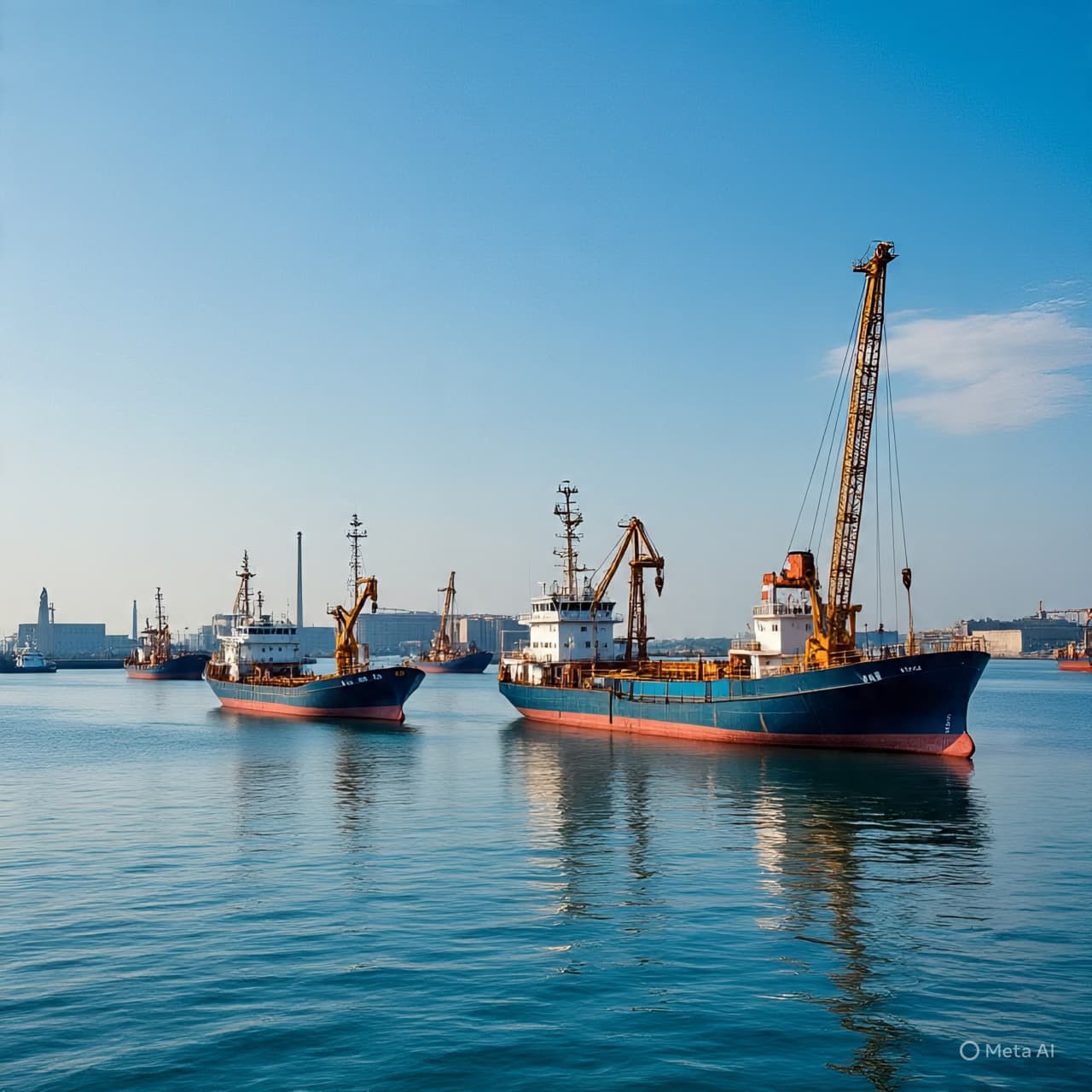
Among the targets is Transneft, the vast state-run pipeline operator responsible for much of Russia’s crude exports. Its inclusion underlines London’s focus on undermining the channels through which the Kremlin’s oil continues to reach global markets, even amid caps and embargoes. Additional sanctions extend to shipping fleets accused of helping mask the origins of Russian oil, a web of tankers and companies that form what analysts call the “shadow fleet.” In the financial sector, several banks and logistics firms have been added to the list, part of a coordinated effort to choke off indirect flows of money into the defense industry.
Beyond the technical details lies the steady rhythm of diplomacy. Cooper’s remarks in Kyiv were accompanied by renewed pledges of humanitarian and reconstruction assistance, framed not as charity but as partnership. Britain, she said, remains committed to helping Ukraine rebuild what war has taken — its homes, its schools, its confidence. The announcement also echoed through Brussels and Washington, where allied governments continue to refine their own sanctions frameworks in tandem, adjusting levers in response to Russia’s ongoing adaptation.
The effect of these measures may unfold slowly. Sanctions, like tides, move in quiet persistence rather than storm. Each new layer adds friction to the machinery of commerce, a gradual re-engineering of the channels that fund conflict. For Russia, the cumulative strain of such actions is felt not only in its revenues but in its reach — in the narrowing of what once seemed boundless access to global trade.
In London, analysts note that this latest package signals intent as much as impact: a declaration that, four years on, the will to apply economic pressure endures. For Ukraine, it stands as reassurance that its struggle is not forgotten amid fatigue and distance. And for those who still count the cost of every day of war, it is one more sign that the levers of peace may yet be found not in weapons alone, but in the patient turning of policy and restraint.
AI Image Disclaimer Illustrations were created using AI tools and are not real photographs.
Sources (Media Names Only) Reuters Associated Press The Guardian BBC News Kyiv Post
Published by Banx Network. This article is part of the Banx decentralized media programme, powered by the BXE token on the XRP Ledger.