
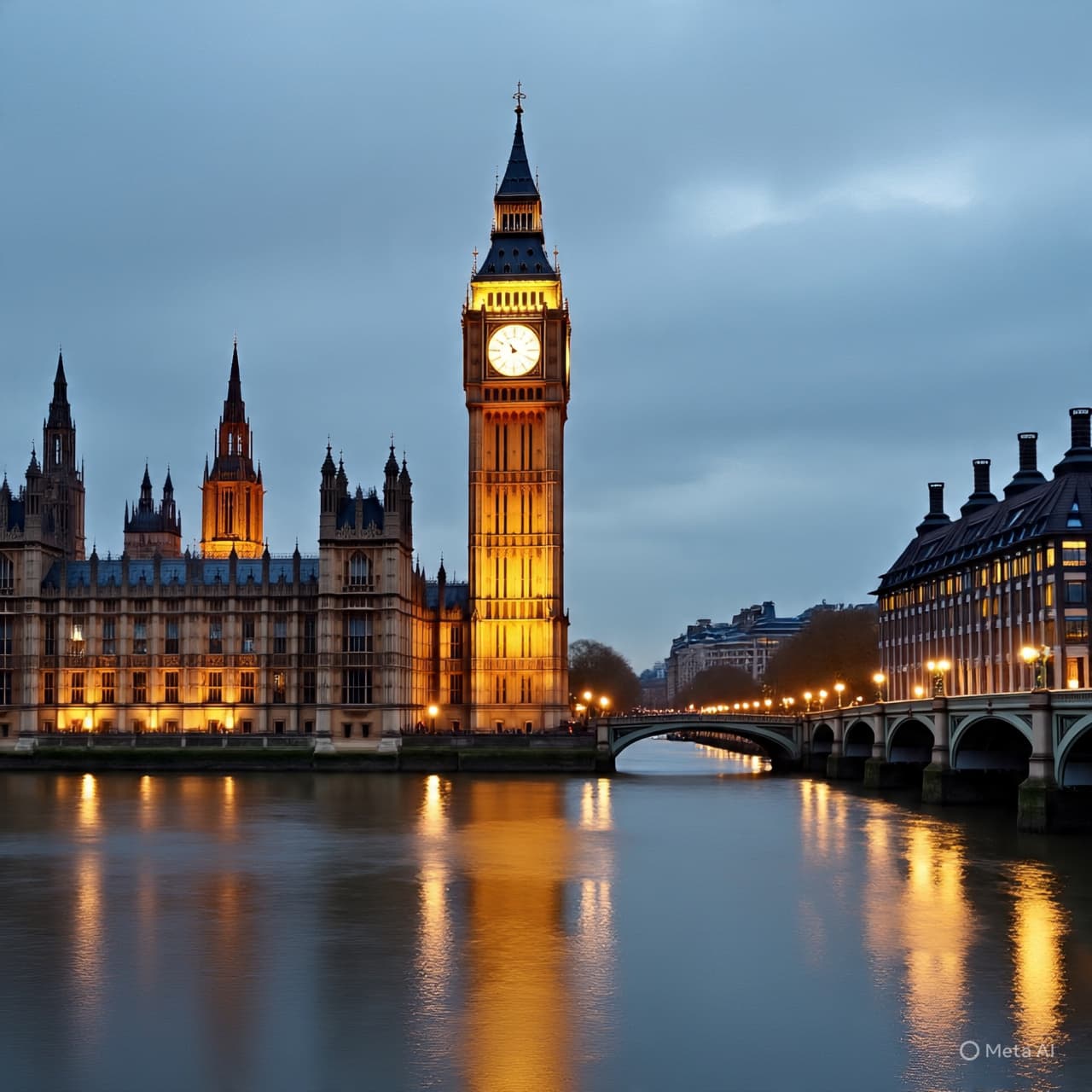
Key Highlights
- Proposal:Boris Johnson suggests UK send non-combat troops to Ukraine.
- Context:The war in Ukraine has entered its third year, prompting renewed discussions.
- NATO Response:No consensus among NATO members regarding troop deployment.
In a significant development regarding the ongoing conflict in Ukraine, former British Prime Minister Boris Johnson has recently proposed that the United Kingdom should consider deploying non-combat troops to the war-torn nation. This suggestion, made during an interview with the BBC, is framed as a demonstration of the UK's long-term commitment to Ukraine rather than an escalation of military involvement. Johnson's remarks come at a critical juncture, as the war has now stretched into its third year, prompting Western nations to reassess their support strategies.
Johnson's proposal emphasizes the potential roles of British troops in Ukraine, focusing on training, logistical assistance, and technical support rather than direct combat engagement. This distinction is crucial, as it reflects a shift in the nature of the UK's involvement, moving from merely supplying weapons and remote training to a more visible presence on the ground. Such a move would symbolize a deeper commitment to Ukraine's defense and recovery efforts.
The British government has thus far maintained a cautious approach, asserting that its support for Ukraine remains robust yet carefully calibrated. Since Russia's full-scale invasion in February 2022, the UK has provided substantial military aid, intelligence sharing, and training programs for Ukrainian soldiers, primarily conducted on British soil. The idea of relocating some of these training efforts closer to the conflict zone is seen as both a logistical necessity and a political strategy.
The conversation surrounding troop deployment is not limited to the UK. French President Emmanuel Macron has also sparked discussions by suggesting that Western troops could be deployed in Ukraine under certain conditions. However, NATO Secretary-General Jens Stoltenberg has reiterated that the alliance is not a direct participant in the conflict, despite the significant assistance provided by member states.
In Moscow, the Kremlin has issued stern warnings against any deployment of Western troops, regardless of their designation. Russian officials have framed the war as a confrontation with NATO expansion, and any foreign military presence is viewed as a provocation that could escalate tensions further.
Within the UK, the debate over troop deployment is influenced by public sentiment, shaped by economic challenges and the historical context of previous military engagements. Johnson, although no longer in office, remains a prominent figure within the Conservative Party and argues that demonstrating resolve now could prevent greater instability in the future. This perspective aligns with a broader belief that deterrence must be both declared and visibly enacted.
As discussions about troop designations and military alliances continue, the realities on the ground in Ukraine remain stark. Cities are in the process of rebuilding their energy infrastructure amidst ongoing missile strikes, and civilians are forced to adapt to life under constant threat, navigating blackouts and air-raid sirens. The potential presence of foreign trainers or engineers in Ukraine would not be a spectacle but rather a continuation of the international support already in place.
As night falls over Westminster, the implications of Johnson's proposal linger in the air. While it may not immediately alter UK policy, it adds another layer to the complex dialogue surrounding Western involvement in Ukraine. The future of non-combat troops on Ukrainian soil under a British flag remains uncertain, but the ongoing conversation underscores the intricate dynamics of a conflict that continues to engage global powers in its wake.
Published by Banx Network. This article is part of the Banx decentralized media programme, powered by the BXE token on the XRP Ledger.



