
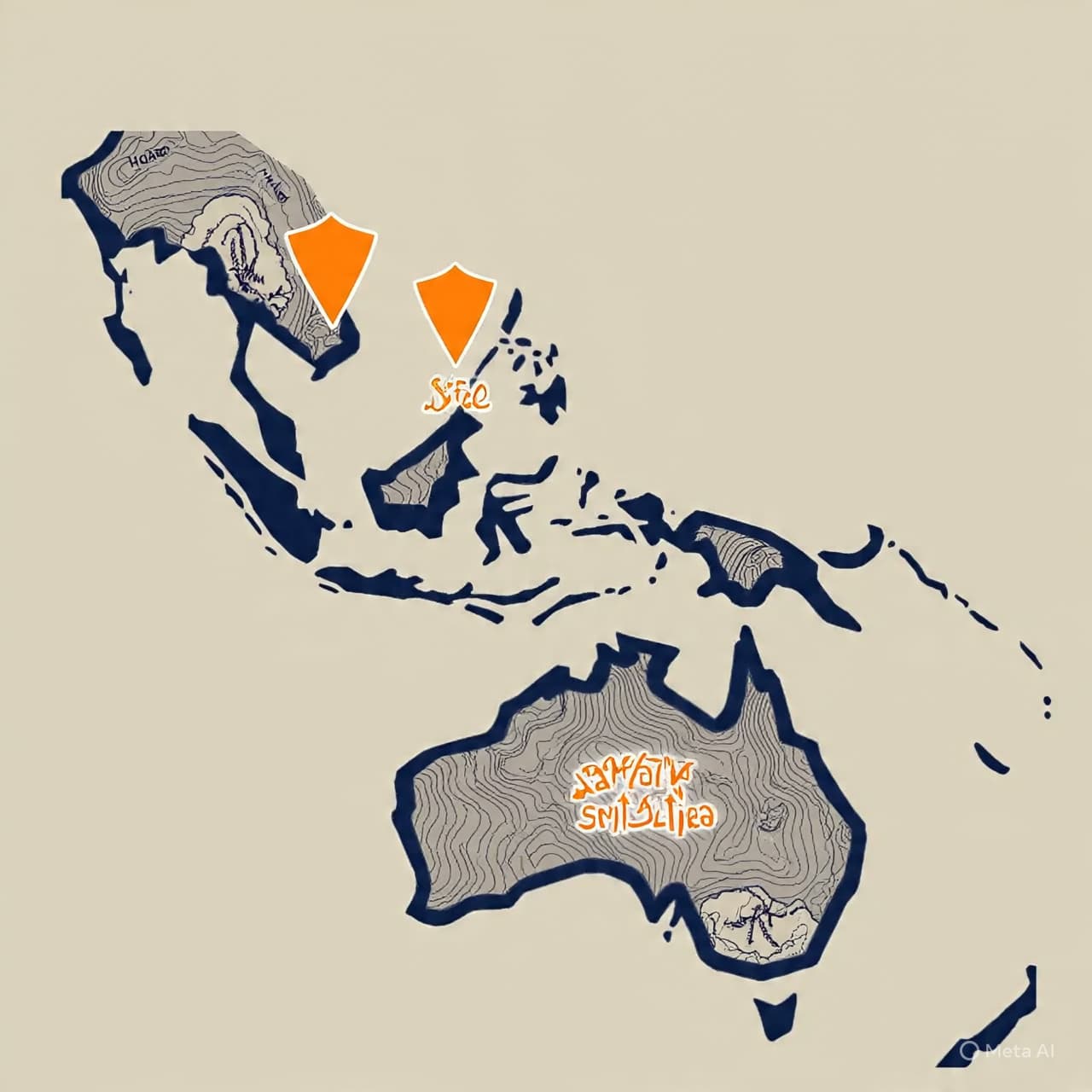
Key Highlights
- Death Toll:Over 1,750 confirmed fatalities across affected countries.
- Displacement:Hundreds of thousands of people have been uprooted from their homes.
- Recovery Efforts:Renewed rains hinder rescue and relief operations.
The relentless downpour across Asia has transformed landscapes into disaster zones, with communities grappling with the aftermath of catastrophic flooding. From Indonesia to Sri Lanka, the impact of these floods is profound, with over 1,750 lives lost and countless families displaced. Rescue operations are underway, but the situation remains dire as new rains complicate recovery efforts.
In Indonesia, particularly on the island of Sumatra and in Aceh province, the flooding has been devastating. Entire villages have been swept away, and infrastructure such as roads and bridges has been obliterated. Reports indicate that more than 800,000 individuals have been displaced, with rescue teams navigating through waist-deep mud in search of survivors. The urgency of the situation is compounded by food shortages in many remote areas, where hunger is now as pressing a concern as the floodwaters.
Sri Lanka has declared this disaster its most severe to date, with entire neighborhoods submerged and landslides wreaking havoc on hillsides. Thousands have been forced into temporary shelters, and the government is scrambling to provide aid to those affected. In Thailand, heavy rainfall has led to similar devastation, with communities left stranded and agricultural lands destroyed.
The situation is further exacerbated by ongoing rainfall, which hampers clean-up efforts and threatens to undo any progress made in rescue operations. Roads remain blocked, and unsafe terrain complicates access to those in need. For many survivors, the prospect of returning to normalcy feels increasingly distant.
Experts and local communities are raising alarms about the underlying causes of this disaster. They point to deforestation, disrupted watersheds, and the broader impacts of climate change as contributing factors to the increasing frequency and severity of such floods. This disaster is not merely a result of natural weather patterns but rather a reflection of human choices that have made these events more catastrophic.
As the immediate focus shifts to survival—providing food, clean water, shelter, and medical assistance—the long-term implications of this crisis will linger. The scars left by these floods will be felt for generations, with entire villages erased and livelihoods lost. The resilience of affected communities will be tested, and the effectiveness of aid systems will be scrutinized.
This crisis raises critical questions about the nature of disaster response and the role of human activity in exacerbating natural events. As the waters recede, the full toll—human, economic, and environmental—will become clearer, prompting a reevaluation of how society prepares for and responds to such calamities.
Published by Banx Network. This article is part of the Banx decentralized media programme, powered by the BXE token on the XRP Ledger.



