
Key Highlights
- SINTEF has developed an AI tool to optimize ship hull designs.
- The tool aims to reduce fuel consumption and emissions in maritime transport.
- This innovation supports the shipping industry's shift towards sustainability.
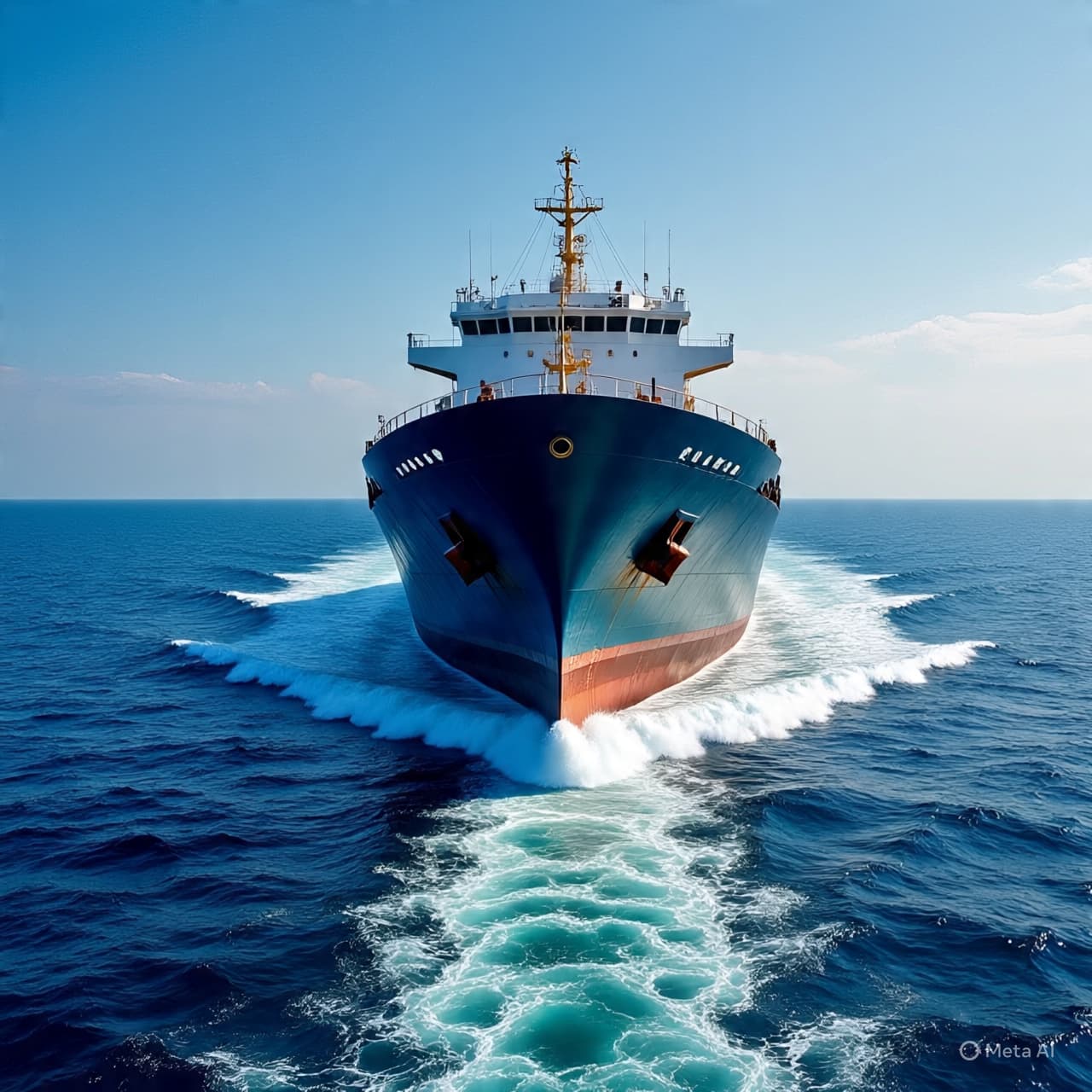
[Introduction] The open sea embodies a unique silence, characterized not by the absence of sound but by the rhythmic movement of water against ship hulls. This dynamic interaction is crucial for maritime transport, where unseen forces influence the efficiency of every journey. Recently, SINTEF, a Norwegian research organization, has introduced a groundbreaking artificial intelligence tool aimed at enhancing ship hull designs to reduce fuel consumption and improve overall efficiency in maritime operations.
[The Challenge of Fluid Dynamics] The quest for efficient ship design is not a new endeavor. For decades, naval architects and engineers have sought to minimize drag and optimize vessel shapes to facilitate smoother movement through water. However, the complexities of fluid dynamics present significant challenges. Water behaves unpredictably, and even minor design alterations can yield unexpected results, making traditional methods of analysis often insufficient.
[Innovative AI Approach] SINTEF's new AI tool marks a significant departure from conventional design practices. By leveraging artificial intelligence, the tool can analyze extensive datasets of design possibilities, identifying configurations that effectively reduce resistance while adhering to structural and operational requirements. This approach allows for exploration of design variations at a scale that would be impractical through traditional simulation methods, leading to more innovative solutions.
[Environmental Implications] The implications of this technological advancement extend far beyond engineering. Fuel consumption is a critical factor in maritime operations, impacting both economic viability and environmental sustainability. Even modest improvements in fuel efficiency can lead to substantial reductions in greenhouse gas emissions, particularly for fleets that operate continuously over long distances. As global regulations become increasingly stringent, the urgency for such innovations grows.
[Aligning with Industry Trends] SINTEF's work aligns with a broader movement within the shipping industry, where the focus on sustainability has intensified. Technologies that enhance performance without necessitating fundamental changes to existing infrastructure are highly sought after. By refining current vessel designs rather than introducing entirely new types, SINTEF's tool represents a pragmatic approach to achieving greater efficiency and compliance with environmental standards.
[The Role of AI in Design] This innovation also signifies a shift in the design process itself. While artificial intelligence does not replace human expertise, it expands the scope of possibilities available to engineers. Instead of merely selecting from known solutions, engineers can now interpret a wider array of design options, guided by data that reveals patterns not easily discernible through traditional analysis. This collaborative approach between human insight and AI capabilities is poised to redefine maritime design.
[Conclusion] As the sea remains unchanged in its forces and movements, the way ships navigate through it is evolving. With SINTEF's AI tool, the passage of vessels may become more attuned to the medium they traverse, leading to a quieter, more efficient maritime future. This innovation not only supports the shipping industry's efforts to lower emissions but also represents a significant step towards sustainable maritime transport.
Published by Banx Network. This article is part of the Banx decentralized media programme, powered by the BXE token on the XRP Ledger.



