

Key Highlights
- Iran warns the U.S. against ground invasion amid rising tensions.
- Regional leaders are exploring diplomatic channels to de-escalate conflict.
- The situation reflects a complex interplay of caution and negotiation.
The Middle East stands at a critical juncture, where the interplay of caution and the pursuit of resolution shapes the future of the region. Recent developments illustrate this delicate balance, particularly as Iran has issued a stark warning to the United States regarding the potential for a ground invasion. This warning serves as a pivotal moment, highlighting the intricate relationship between escalation and restraint in ongoing conflicts.
Iran's warning is significant, as ground operations typically signify a deeper military engagement that could exacerbate tensions and prolong conflict. By articulating its opposition to such actions, Iran not only seeks to deter U.S. military involvement but also aims to influence the strategic decisions of regional and global powers. This duality of caution and influence underscores the complexity of the current geopolitical landscape.
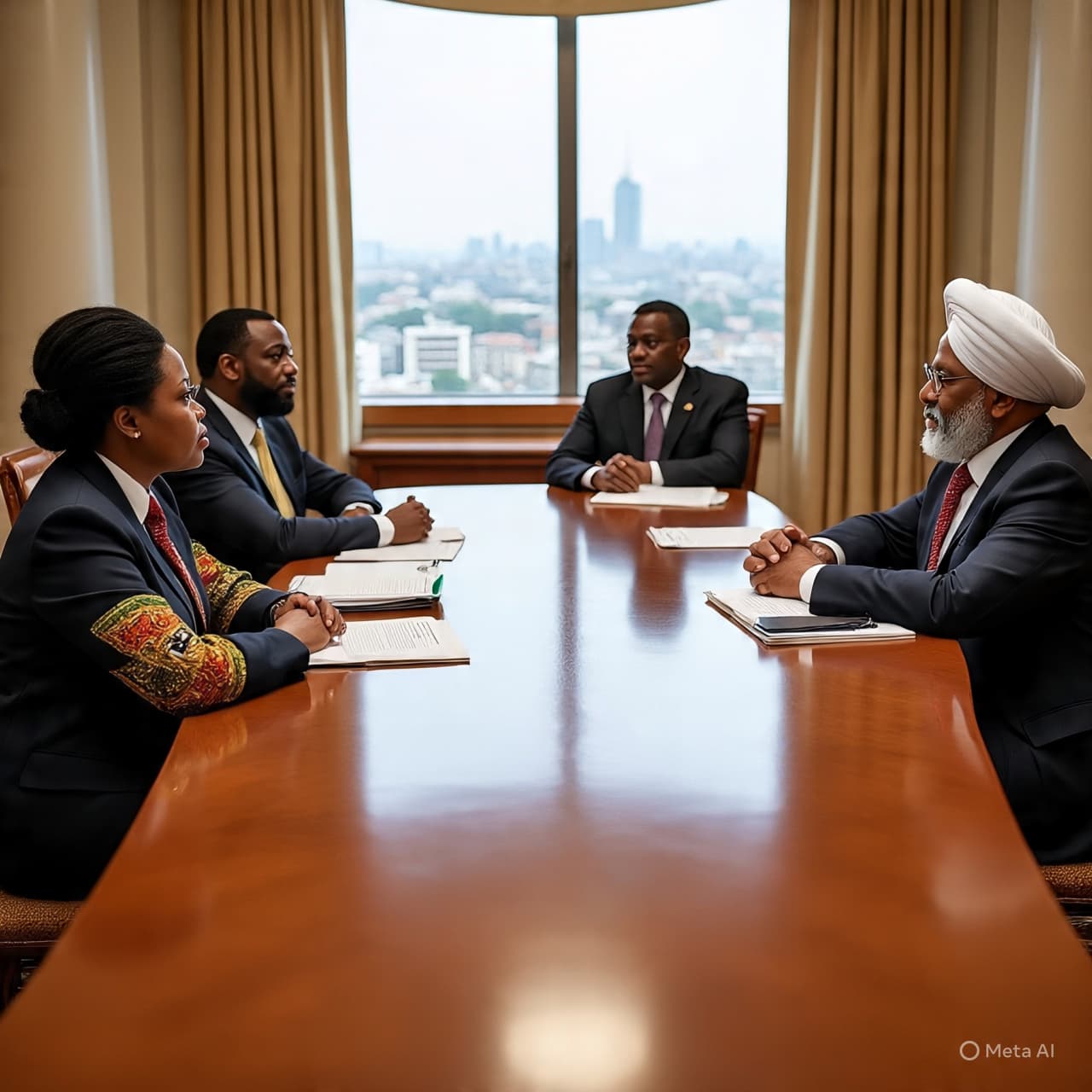
Simultaneously, discussions among Middle Eastern leaders indicate that diplomatic avenues, albeit limited, remain viable. Recent meetings and proposals aimed at de-escalation reflect a collective acknowledgment of the dire consequences of continued hostilities. While these diplomatic efforts do not guarantee consensus, they represent a crucial attempt to foster dialogue in a highly charged environment.
The coexistence of warnings and negotiations creates a multifaceted atmosphere where every statement and meeting contributes to a broader narrative. Each action is scrutinized, intentions are assessed, and potential repercussions are weighed within a larger context. For the United States, military decisions are influenced by strategic goals, alliances, and the evolving dynamics on the ground. Conversely, Iran's focus on limiting escalation reveals its security concerns and desire to establish clear boundaries in the conflict.
The ramifications of these developments extend beyond government actions, impacting regional stability, economic conditions, and humanitarian issues. The quest for a resolution is not merely a political goal but a shared imperative that resonates throughout the region. As leaders navigate these turbulent waters, the interplay of diplomacy and military strategy will be critical in shaping the future.
However, the path to resolution is rarely straightforward. Diplomatic progress can be accompanied by setbacks, and periods of restraint may give way to renewed tensions. The situation evolves through a series of incremental changes, each influenced by the actions and decisions of key stakeholders.
As discussions continue among Middle Eastern leaders, Iran's warning against a U.S. ground invasion highlights the sensitivity of the current moment. While diplomatic efforts persist, the situation remains fluid, with future developments hinging on decisions yet to be made. The region's leaders must navigate this complex landscape carefully, balancing the need for resolution with the realities of ongoing conflict.
Published by Banx Network. This article is part of the Banx decentralized media programme, powered by the BXE token on the XRP Ledger.




