

Key Highlights
- Deadline Approaches:Tensions involving Iran escalate as a significant deadline nears.
- Diplomatic Complexity:Ongoing negotiations reflect a web of historical grievances and strategic calculations.
- Economic Impact:Markets react cautiously to potential disruptions in the Middle East's energy supply.
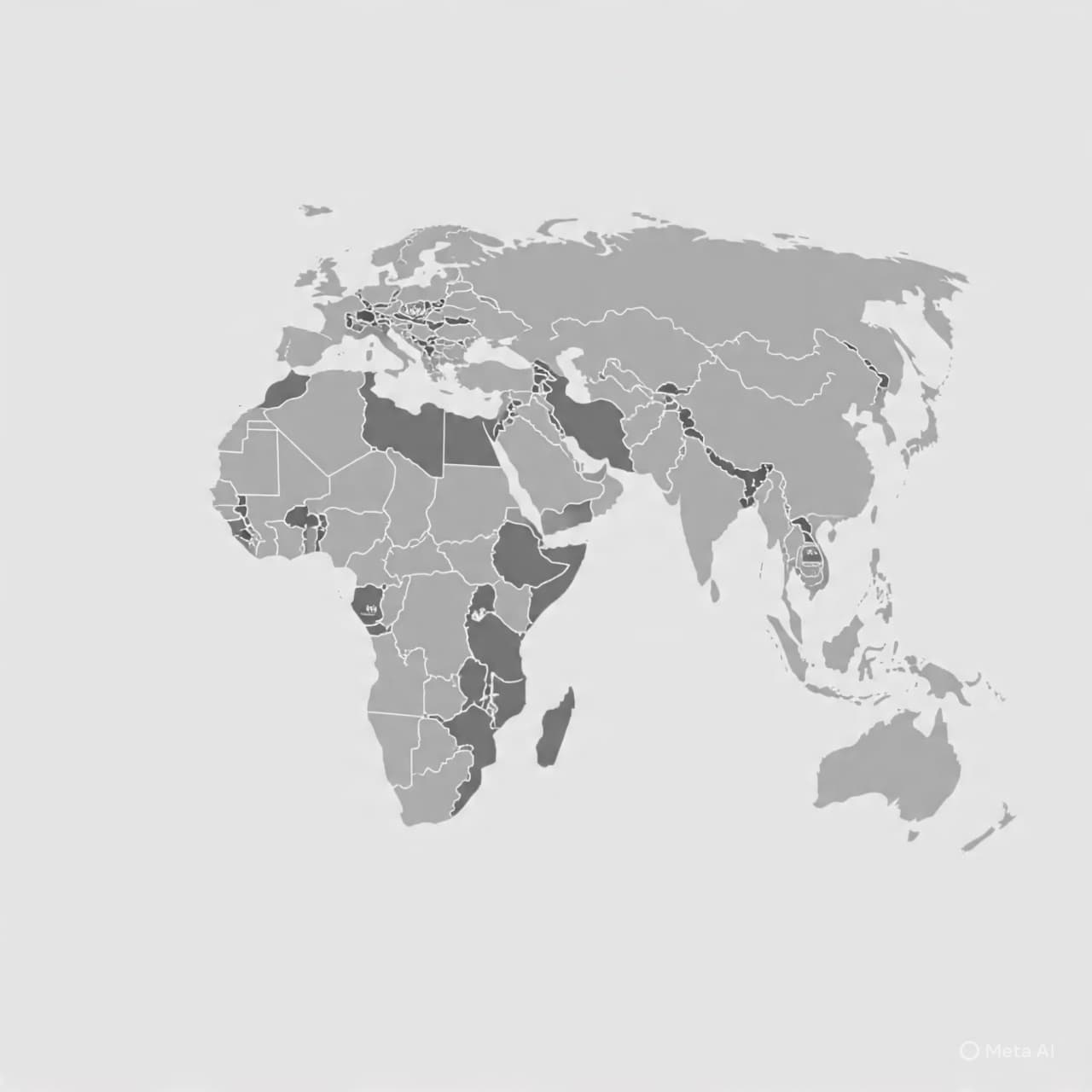
As geopolitical dynamics shift, the Middle East finds itself at a critical juncture. A looming deadline, initially set by former U.S. President Donald Trump, has reignited tensions surrounding Iran's nuclear ambitions and regional influence. This situation has drawn the attention of global powers, with analysts closely monitoring the implications of this ultimatum.
The deadline is not merely a standalone event; it is intertwined with a complex network of negotiations and historical grievances. Iran's nuclear program has been a focal point of contention, with Western nations expressing concerns over its potential to destabilize the region. The Iranian government, under pressure from sanctions and diplomatic isolation, has signaled both defiance and a willingness to engage in dialogue, depending on the circumstances.
In recent weeks, Iranian officials have made statements that reflect a dual approach—asserting their right to pursue nuclear development while also indicating openness to negotiations. This balancing act is crucial, as it not only affects Iran's relations with Western powers but also influences neighboring countries that are keenly aware of the potential fallout from any escalation.
The involvement of international actors adds layers of complexity to the situation. While public rhetoric may suggest a sense of urgency, behind-the-scenes diplomatic efforts are ongoing. Countries with vested interests in the region are working to de-escalate tensions, though the outcomes remain uncertain. Observers note that deadlines in international relations can serve various purposes, from leveraging negotiations to accelerating discussions, but they also pose risks if expectations are unmet.
The economic ramifications of this situation are significant. The Middle East plays a central role in global energy supply, and any escalation in tensions could disrupt markets and lead to increased oil prices. Investors are watching closely, as fluctuations in energy prices can have widespread implications for economies around the world.
For civilians in the region, the political maneuvering often translates into uncertainty in their daily lives. High-level discussions may dominate the news, but the effects of these geopolitical tensions can ripple through communities, affecting security and economic conditions. As the deadline approaches, the stakes are high, and the potential for both conflict and resolution hangs in the balance.
Experts emphasize the need for measured responses and ongoing dialogue. While the situation remains fluid, the pathways to resolution often depend on sustained communication and restraint from all parties involved. As the world watches, the delicate balance between pressure and possibility continues to define the region's future.
Published by Banx Network. This article is part of the Banx decentralized media programme, powered by the BXE token on the XRP Ledger.




