Some forms of energy move loudly across the world—rushing rivers, roaring turbines, bright flashes of combustion. Others travel more quietly. Heat, for instance, drifts constantly through the surfaces of daily life: across human skin, along the casing of electronics, through the walls of buildings warmed by sunlight.
Much of it disappears unnoticed.
Yet within laboratories and materials science studios, researchers have been listening closely to these small currents of warmth. The question is simple but persistent: can the faint movement of heat be persuaded to generate electricity?
The search has led scientists to the delicate world of thermoelectric materials, substances capable of turning temperature differences into electrical power. Traditionally, these materials have been rigid crystalline alloys—effective, but heavy and often difficult to integrate into flexible technologies.
In recent years, attention has shifted toward a different class of matter: conductive polymers.
Among them is a material known as poly(3-hexylthiophene), or P3HT, a semiconducting plastic already familiar in organic electronics and solar research. Its appeal lies in its unusual combination of qualities. The polymer can be dissolved into solution, printed onto surfaces like ink, and formed into thin, lightweight films. At the same time, it can conduct electricity when its molecular structure is carefully modified.
This modification process is known as doping—a chemical adjustment that introduces charge carriers into the material.
Researchers have found that when P3HT is treated with certain compounds, including ferric chloride (FeCl₃), the electrical conductivity of the polymer can increase dramatically. The chemical interaction introduces mobile charge carriers, allowing electricity to move through the otherwise modestly conductive plastic.
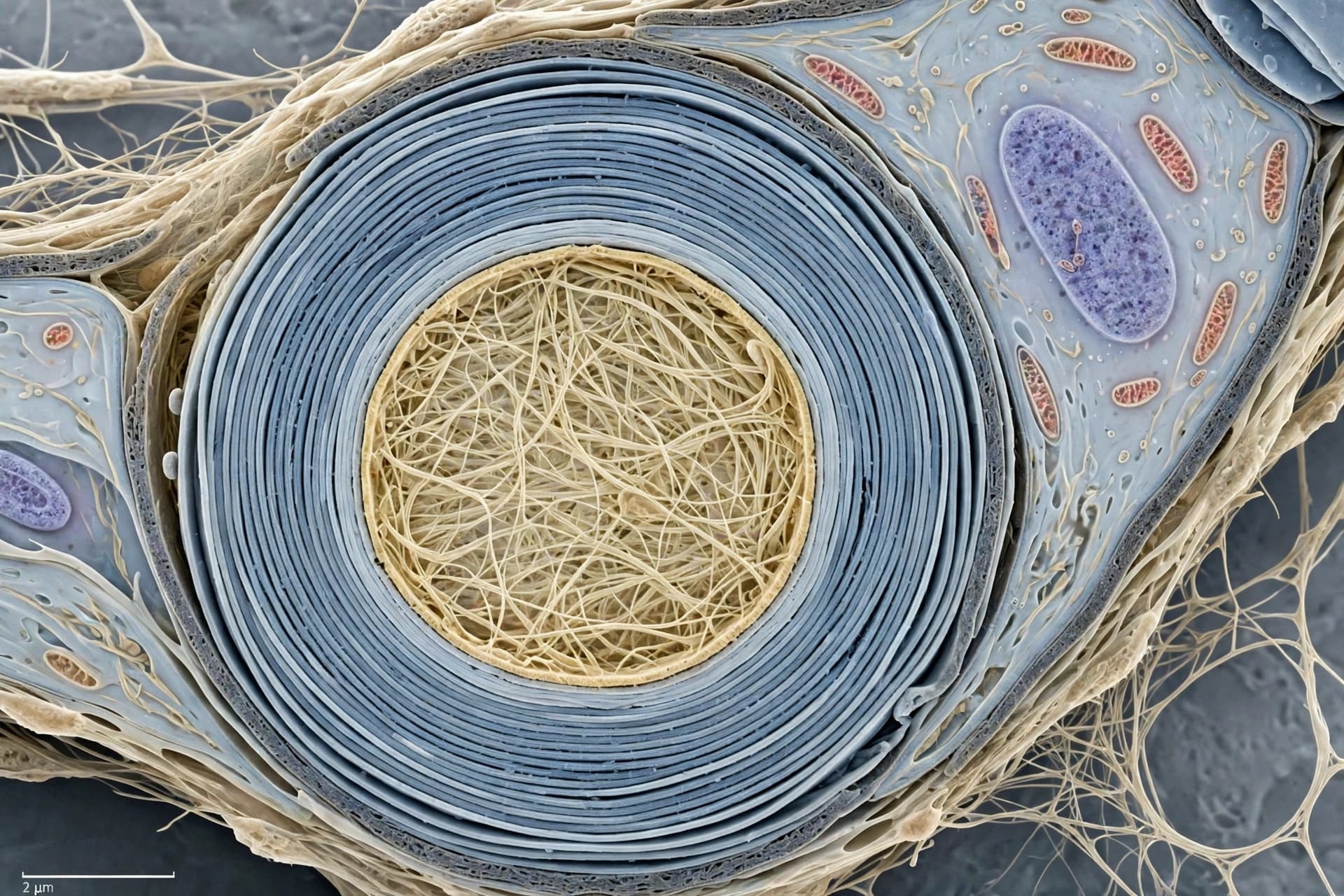
Such changes are subtle on the molecular scale. The polymer chains, arranged in thin layers, begin to form pathways where electrons can travel more freely. The improved mobility of these carriers allows the material to conduct electricity while still maintaining the flexibility of a polymer film.
This is where thermoelectric behavior emerges.
When one side of the film becomes warmer than the other, the difference in temperature encourages charge carriers to drift. Their movement generates a small electric voltage—a phenomenon known as the Seebeck effect, the fundamental principle behind thermoelectric power generation.
In carefully engineered P3HT films, particularly those doped with ferric chloride, researchers have measured substantial increases in electrical conductivity and thermoelectric performance. In some experiments, the material achieved conductivities exceeding 100 S/cm and power factors on the order of tens of microwatts per meter-kelvin squared at room temperature.
What makes these films especially intriguing is not only their electrical behavior but their physical character.
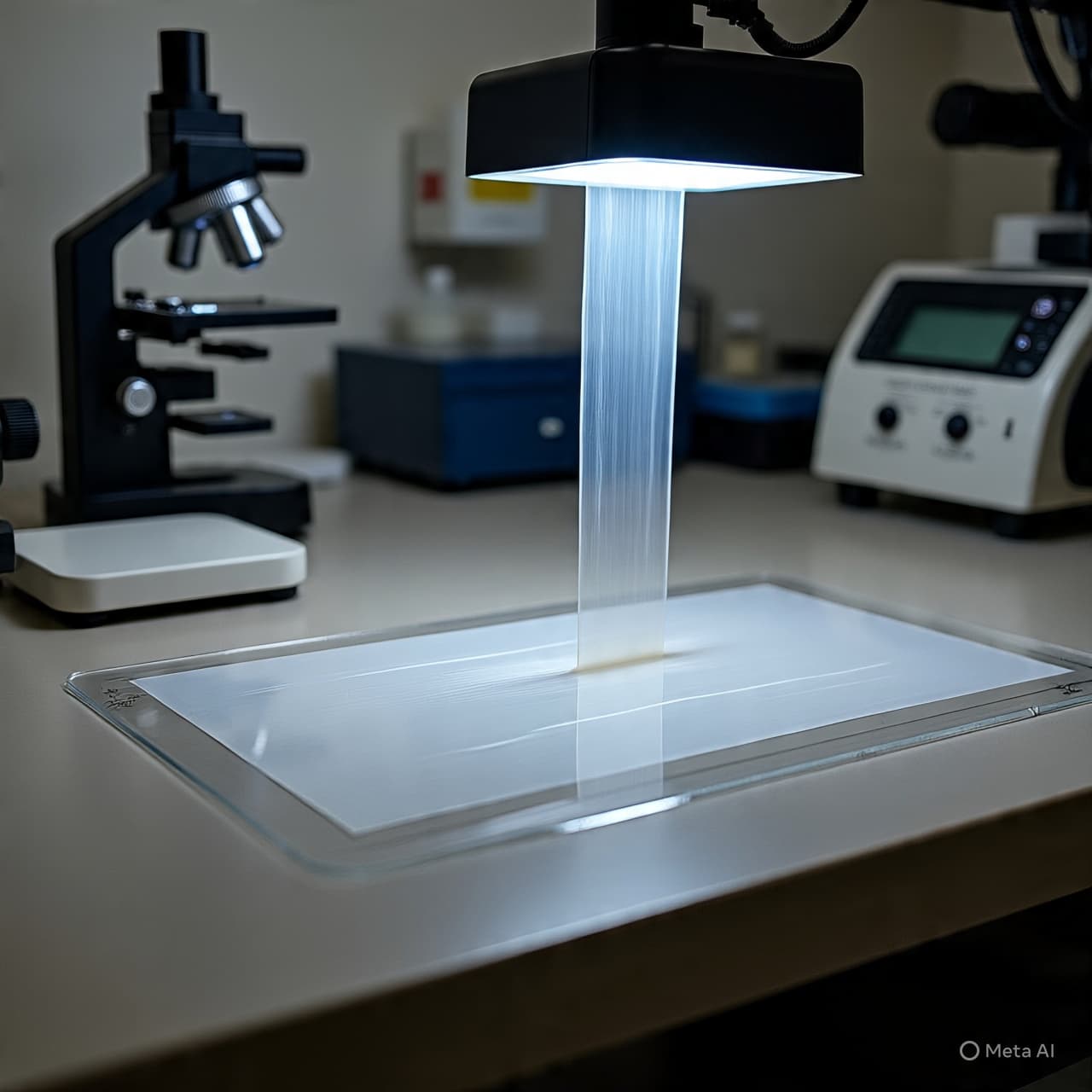
Unlike traditional thermoelectric materials, these polymer films remain thin, flexible, and printable. They can be deposited onto plastic substrates, integrated into wearable devices, or layered onto irregular surfaces where rigid components would struggle to fit.
In effect, the thermoelectric generator becomes something closer to a sheet than a machine.
Researchers imagine future devices where such films quietly harvest energy from small temperature differences—perhaps between human skin and surrounding air, or across the surfaces of electronics that naturally warm during operation.
The electricity produced would be modest, but potentially continuous.
Seen from a broader perspective, these materials belong to a larger shift within energy technology: a movement toward systems that capture small amounts of energy from many places rather than large amounts from a single source.
Flexible thermoelectric polymers are still developing, and scientists continue to refine how doping levels, molecular alignment, and film structure influence performance. Yet the underlying idea remains steady.
A thin sheet of plastic, carefully prepared, may turn everyday warmth into a faint but useful current. Researchers report that ferric chloride–doped P3HT films represent a promising step toward lightweight, printable thermoelectric devices capable of converting small temperature differences into electrical power.
AI Image Disclaimer Illustrations in this article were produced with AI image-generation tools and are intended as conceptual depictions rather than real photographs.
Source Check
ScienceDaily Phys.org Materials Today Material Nature Materials ACS Materials Letters
Published by Banx Network. This article is part of the Banx decentralized media programme, powered by the BXE token on the XRP Ledger.