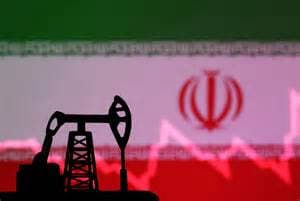
There is a particular stillness that settles over energy markets when distant tensions begin to ripple across maps. It is not the silence of inactivity, but of anticipation — a pause measured in futures contracts and shipping routes, in narrow straits and underground caverns carved decades ago for moments just such as this.
Amid rising concerns that conflict involving Iran could disrupt oil flows and lift global prices, the United States has indicated it is not planning to tap its Strategic Petroleum Reserve. The vast emergency stockpile, stored in salt caverns along the Gulf Coast, has long stood as a safeguard against sudden supply shocks. Yet for now, officials have signaled that no discussions are underway to release crude from those reserves.
The decision arrives as traders weigh the possibility that instability in the region could affect energy transit routes, including the strategically vital Strait of Hormuz, through which a significant share of global oil exports passes. Even without an actual disruption, the mere prospect of constrained passage can influence prices, as markets respond as much to risk as to reality.
Choosing not to draw from emergency reserves is itself a form of communication. It suggests that policymakers believe current supply conditions — bolstered by domestic production and global inventories — are sufficient to absorb potential strain. It also reflects a broader calculation: that intervening too early can diminish the reserve’s leverage should a more severe disruption emerge.
Energy security has always rested on timing as much as volume. The Strategic Petroleum Reserve was conceived during earlier oil crises as a buffer against geopolitical upheaval. Over the decades, it has been tapped in response to wars, hurricanes, and sharp price spikes. Each release carried symbolic weight, signaling both reassurance and resolve.
Now, as tensions cast a long shadow across shipping lanes and commodity exchanges, the U.S. stance underscores restraint rather than reaction. Oil prices remain sensitive to developments, but no immediate supply interruption has been confirmed. Markets continue to adjust to headlines, diplomatic signals, and military movements in equal measure.
For the moment, the reserve remains sealed, its barrels undisturbed beneath layers of rock and salt. Whether that quiet endurance will persist depends on events still unfolding across a volatile region.
The United States is not planning to release oil from its Strategic Petroleum Reserve despite concerns that escalating tensions involving Iran could push prices higher, according to officials familiar with the matter.
AI Image Disclaimer
Visuals are AI-generated and serve as conceptual representations.
Source Check
Reuters Financial Times Associated Press BBC News Al Jazeera English
Published by Banx Network. This article is part of the Banx decentralized media programme, powered by the BXE token on the XRP Ledger.


.jpg&w=3840&q=75 "India Says First Phase of U.S. Trade Deal Is Nearly Done, Seeks Edge Over Rivals")