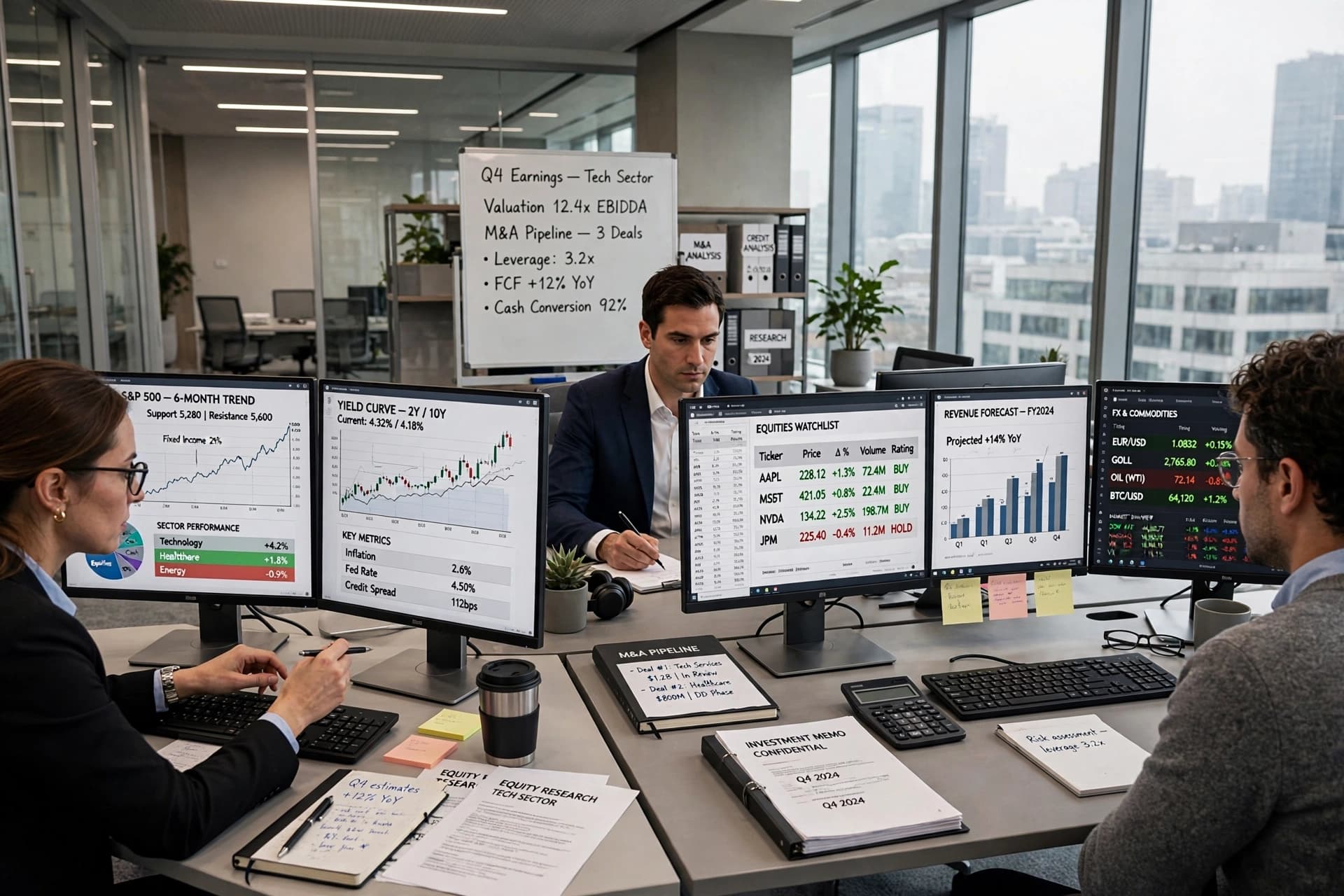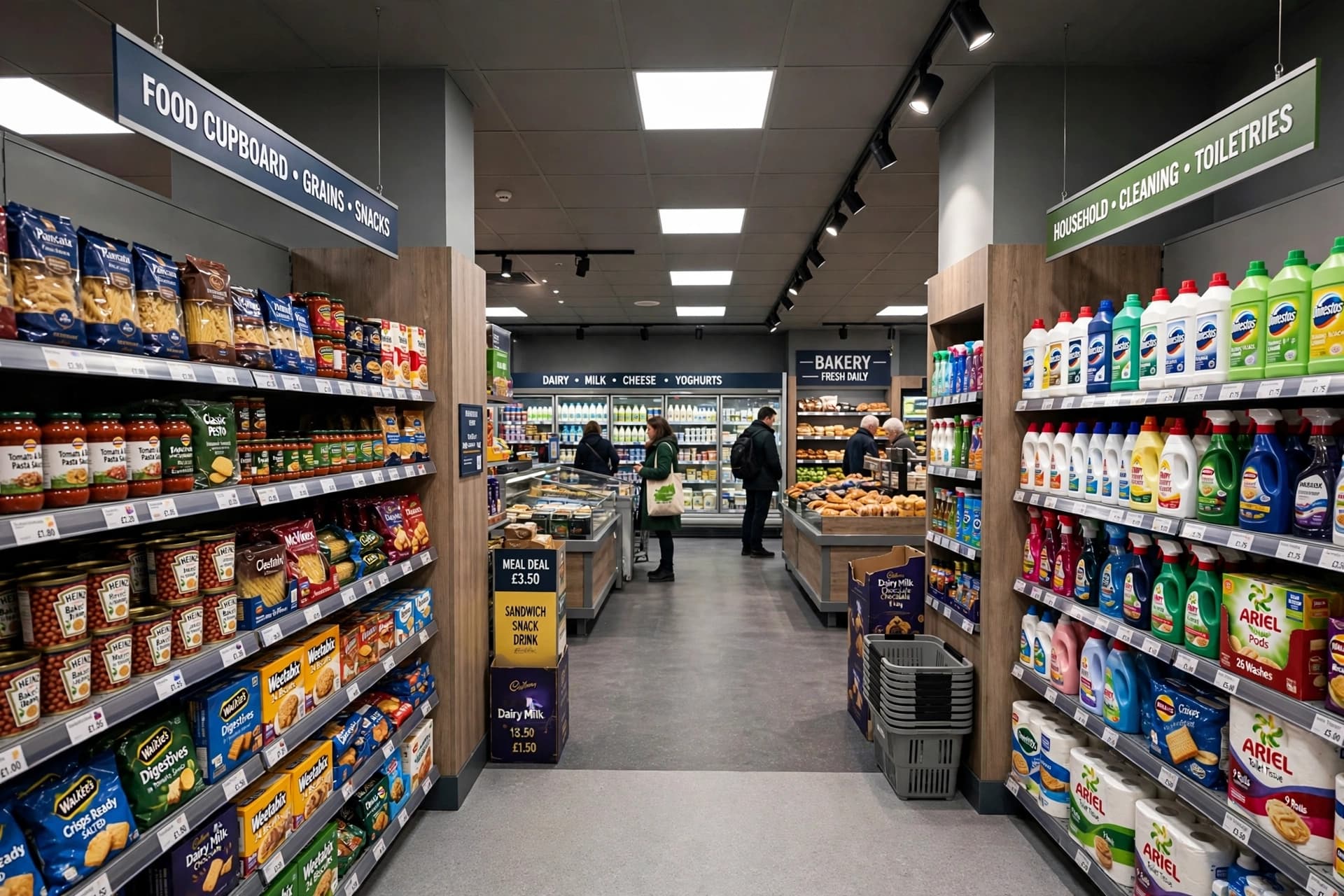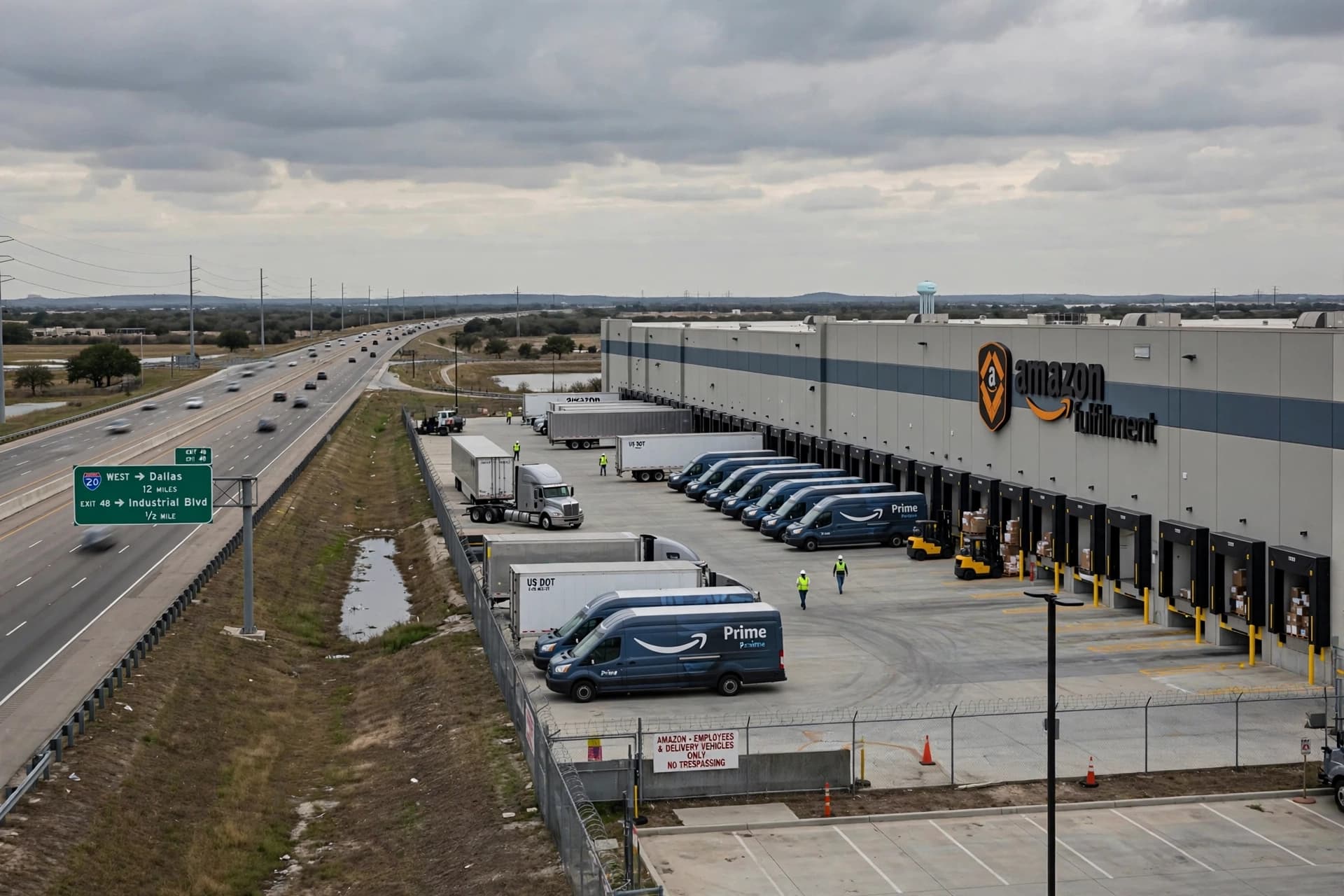
The final moment of an online purchase often appears remarkably simple. A customer taps a screen, receives a confirmation and waits for a package to arrive. Behind that quiet sequence, however, is a vast system of warehouses, trucks, aircraft, sorting centers and workers moving products through a network measured in thousands of miles.
Amazon has spent years building that infrastructure into one of the largest logistics systems in the world. Its continued expansion reflects how online shopping has changed the geography of retail, moving part of the traditional store experience into warehouses and distribution centers positioned closer to consumers.
The company’s fulfillment network is designed around speed and proximity. Instead of every order traveling from a single central location, inventory can be positioned across multiple regions, allowing products to begin their journey closer to the customer.
That model has changed the physical landscape around American cities. Large fulfillment centers have appeared near highways and transportation corridors, creating new industrial hubs where goods can be received, stored, sorted and dispatched.
The movement is also closely connected to consumer expectations. Faster delivery requires more than additional vehicles. It requires warehouses capable of processing large volumes of orders, software that tracks inventory, transportation systems that coordinate shipments and facilities positioned strategically around population centers.
Amazon has also developed an increasingly complex transportation network linking its fulfillment centers with delivery stations and other logistics facilities. Trucks and aircraft carry products between larger facilities, while local delivery vehicles complete the final stage of the journey.
The growth of this infrastructure illustrates a broader change in retail. Traditional stores place merchandise directly in front of customers, while e-commerce separates the physical product from the purchasing experience. The warehouse becomes the place where much of the physical retail process happens.
That transformation has consequences beyond Amazon itself. Logistics facilities can create employment and demand for transportation services, while also increasing competition for industrial land and changing traffic patterns around major distribution corridors.
For consumers, the system can remain almost invisible. A package may arrive at a doorstep without revealing how many decisions were made along the way: where the product was stored, which facility processed it, which route carried it and how the final delivery was coordinated.
In that sense, Amazon’s logistics network is more than a collection of warehouses. It is part of the physical architecture of modern commerce, quietly connecting digital decisions made at home with real movement across roads, railways, airports and industrial landscapes.
IMAGE DISCLAIMER
These visuals are AI-generated conceptual illustrations and are not photographs of the actual logistics operations.
SOURCES
Reuters Amazon U.S. Census Bureau
Published by Banx Network. This article is part of the Banx decentralized media programme, powered by the BXE token on the XRP Ledger.