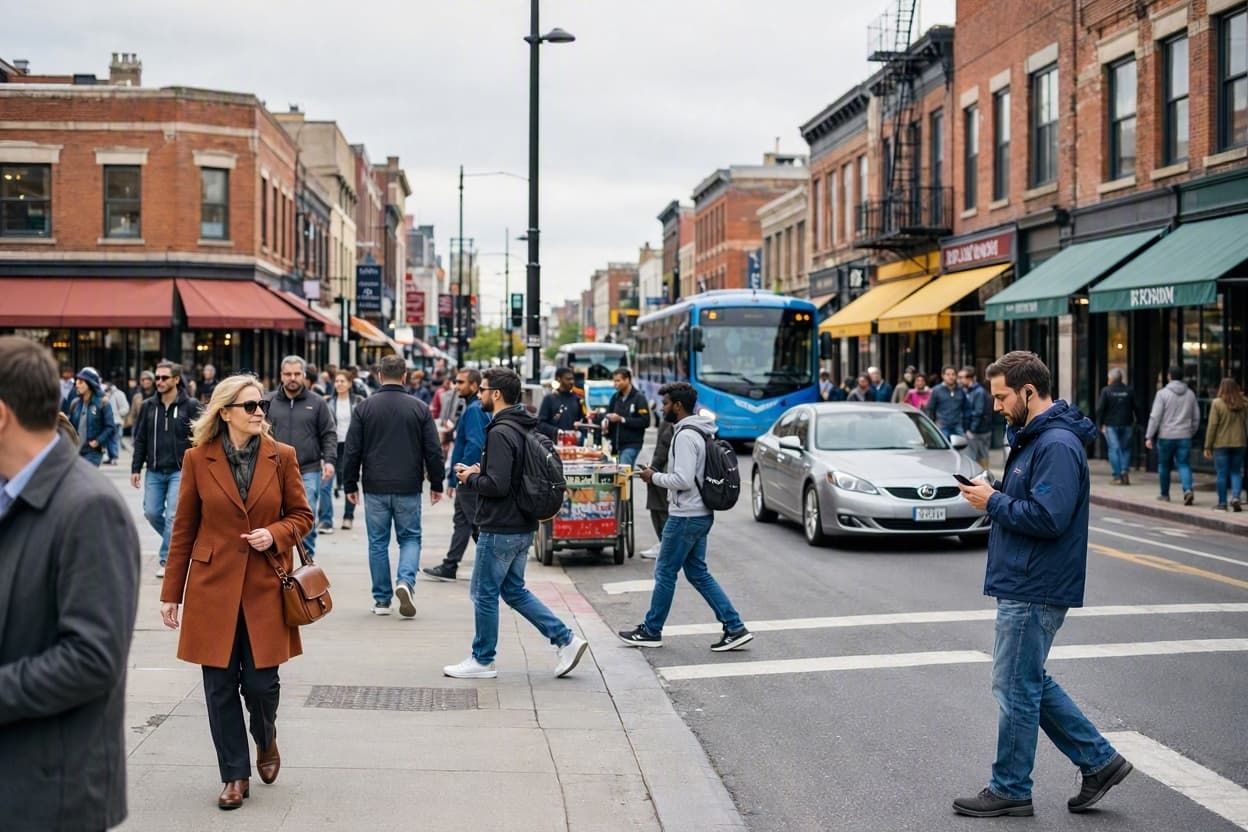
The morning arrives quietly in Acre, carried on air that smells of salt and stone. Along the harbor, waves press gently against walls that have learned patience over centuries. The city does not announce its age. It allows it to be felt, step by step, as shadows stretch across courtyards and the sea repeats its slow, unhurried rhythm.
At the heart of Acre stands a fortress shaped by time and conflict, its stones layered with the ambitions of empires that once believed permanence could be engineered. During the Crusader period, these walls were not merely defensive structures but declarations of presence, built to endure siege and history alike. Knights, merchants, and pilgrims once passed through these gates, their lives folding briefly into a city positioned between land routes and the open Mediterranean.
The fortress, later expanded and repurposed under Ottoman rule, carries traces of adaptation as clearly as it does conquest. Vaulted halls, underground passages, and massive ramparts suggest not only military might but also the logistical patience of governance. Each layer of stone records a shift in authority, a recalibration of power, without erasing what came before.
Walking through the old city today, the fortress does not dominate so much as it accompanies. Markets hum nearby, children move through narrow alleys, and fishermen tend to their nets along the shore. The past is present not as spectacle, but as architecture still doing its work, holding roofs, shaping streets, defining edges.
Acre’s designation as a UNESCO World Heritage site has brought renewed attention to this continuity. Archaeological excavations have revealed remarkably preserved Crusader halls beneath later structures, offering a rare, intact glimpse into medieval urban life. These discoveries have reinforced the city’s significance, not as a frozen relic, but as a living record of layered civilization.
As the day advances, light shifts across the fortress walls, softening their severity. The stones absorb warmth, as they have for generations, while the sea remains unchanged in its conversation with the shore. Acre does not demand reflection; it invites it. The city stands as it always has, shaped by movement, conflict, and return.
Acre, in northern Israel, remains home to one of the most intact Crusader fortresses in the region, a structure that continues to anchor the old city and recall its strategic role during the medieval period, even as modern life unfolds around it.
AI Image Disclaimer Illustrations were created using AI tools and are not real photographs.
Sources (Media Names Only) BBC National Geographic Smithsonian Magazine UNESCO Encyclopaedia Britannica
Published by Banx Network. This article is part of the Banx decentralized media programme, powered by the BXE token on the XRP Ledger.