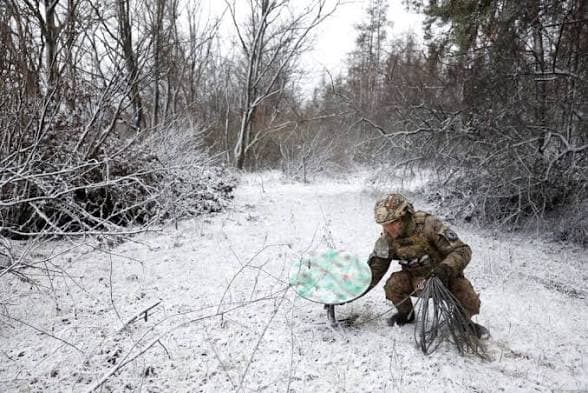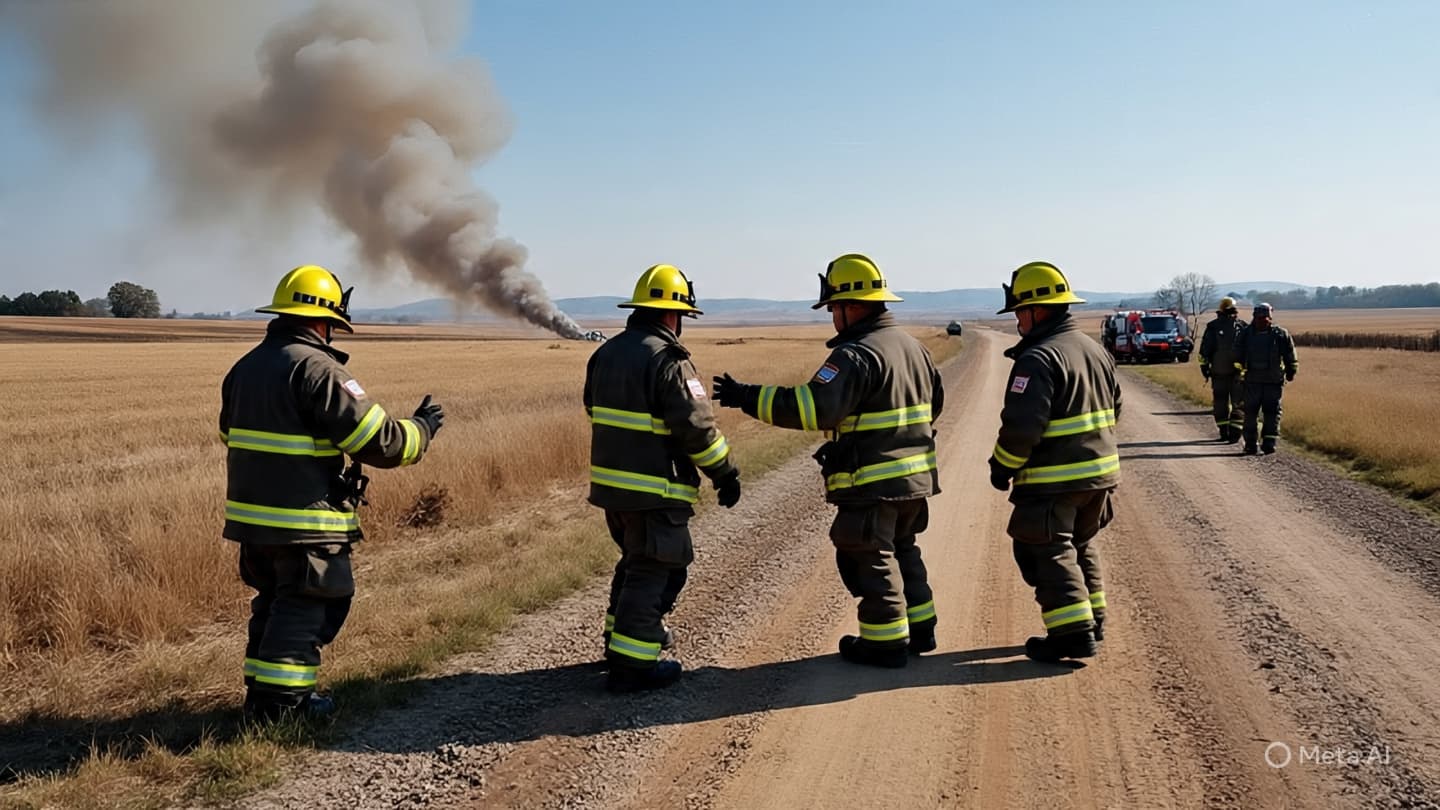
There are moments when the idea of home becomes fluid. Walls and streets, once permanent, are suddenly left behind—not by choice, but by necessity. In parts of Canada, this experience has become increasingly familiar during wildfire seasons.
Evacuations, once rare and localized, now occur with greater frequency as fires spread unpredictably. Communities receive alerts, sometimes with little notice, prompting swift decisions and immediate action. The process is often orderly, yet deeply emotional.
For those affected, evacuation is not simply a logistical challenge. It is a moment of transition—gathering essentials, ensuring safety, and stepping into uncertainty. Temporary shelters, support networks, and emergency services provide structure during this time, but the emotional weight remains.
Authorities continue to refine response systems, aiming to improve coordination and communication. Early warnings, designated evacuation routes, and community preparedness programs reflect lessons learned from past events.
At the same time, these movements highlight the broader scale of environmental change. As wildfire risks grow, so too does the need for adaptable strategies that prioritize both safety and continuity.
Communities often return, rebuild, and restore what was left behind. Yet each evacuation leaves an imprint—a reminder of vulnerability, but also of resilience.
As seasons shift and conditions evolve, the focus remains steady. Preparation, awareness, and collective response form the foundation of how such challenges are met.
In the end, evacuation is not only about leaving. It is about ensuring the possibility of return.
AI Image Disclaimer Graphics are AI-generated and intended for representation, not reality.
Sources Reuters, BBC, CBC News, The Guardian, Financial Times
Published by Banx Network. This article is part of the Banx decentralized media programme, powered by the BXE token on the XRP Ledger.