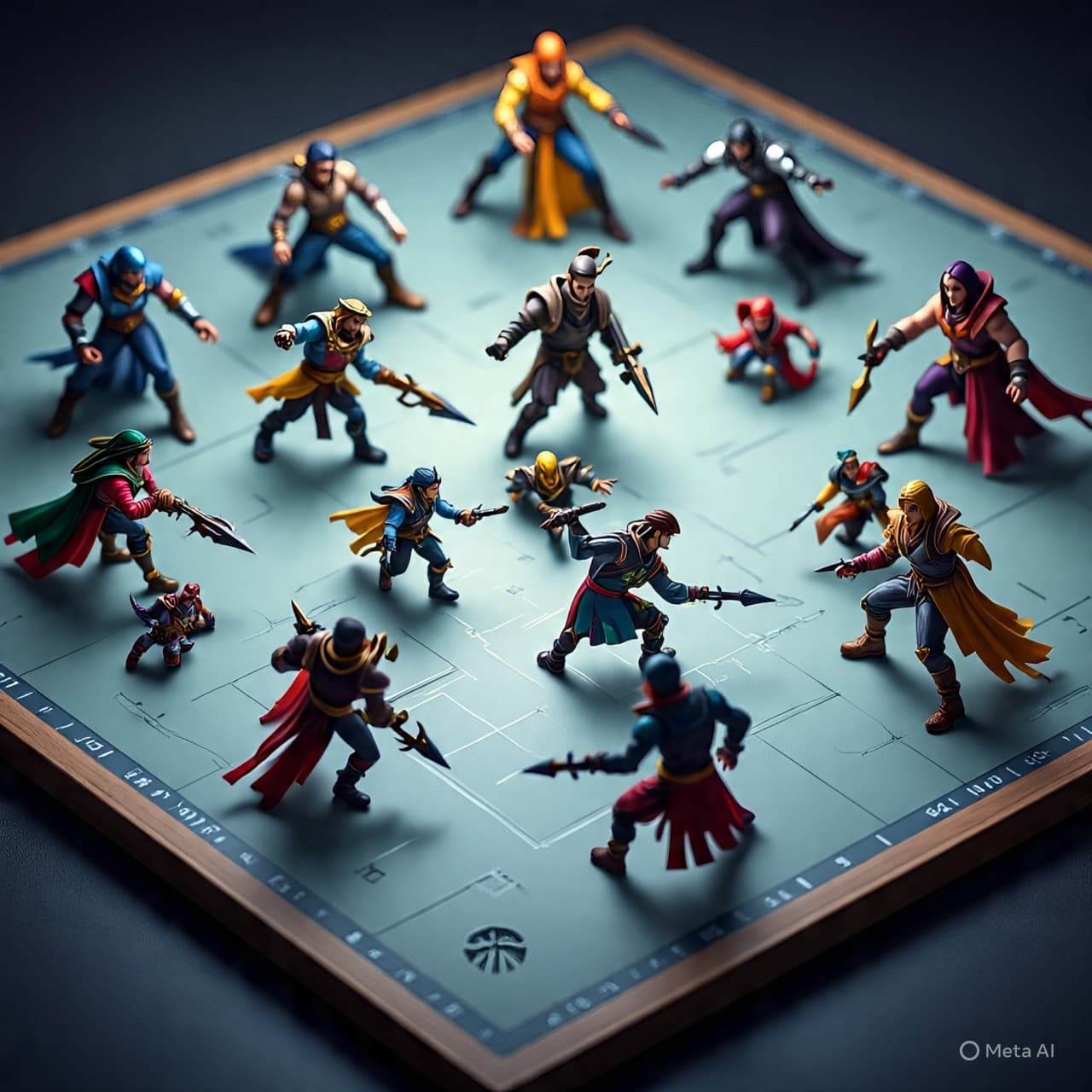
In a game defined by shifting board states and ever‑evolving strategies, change arrives like a tide you both anticipate and question. Teamfight Tactics’ Patch 16.3 has washed over the middle of Set 16, altering systems, traits, and units in ways that will shape how battles unfold in the weeks to come.
At first glance, these updates might seem like a collection of numbers and keywords — experience points here, unlock conditions there — but beneath the surface lies a deeper intent. The developers have listened to how players approached the early meta and chosen to adjust not just raw power, but the rhythms that guide decision after decision. Leveling, for instance, has been nudged so that reaching Level 9 feels a touch more deliberate, giving players a moment to feel their way forward rather than rush ahead.
Encounters, the moments at the start of a match that set direction and tempo, have been refined as well. Certain opening options that became too potent in tandem with specific augments have been dialed back, seeking a balance between variety and dominance. And the way that champion auras behave — persisting even when their bearers fall — has been made more intuitive, a subtle change that may feel familiar long before its cause is conscious.
Perhaps the most discussed shift surrounds the unlock system, a mechanic that can define tempo and power spikes. Patch 16.3 adjusts how frequently powerful four‑ and five‑cost units can be elevated to three stars when uncontested, while making it slightly easier to secure two‑star versions when multiple players are pursuing the same champions. In this, there’s a philosophical emphasis on competition over isolation — rewarding those who vie for contested units while tempering runaway strength when someone monopolizes them.
Unlock conditions themselves have also softened in certain cases, lowering level requirements or item prerequisites for key champions such as Kai’Sa and Tryndamere. These adjustments may encourage more varied comp paths and offer players a broader palette of viable strategies.
On the trait and champion front, the patch touches many familiar faces. Powerful early‑game Bilgewater builds have been restrained, and a suite of changes to units like Aurelion Sol, Lucian & Senna, and T‑Hex points to a meta that will feel different not just in numbers, but in shape and pacing. Guilds, quests, and items also see refinements, buffing underperformers and calibrating systems that once tipped too far in one direction.
Behind every change is a conversation — about how players respond, how strategies rise and fall, and how a seemingly steady game can reveal new contours with each shift. Patch 16.3 is not a reinvention, but a reminder that Teamfight Tactics thrives in motion: a dance of decision, chance, and adaptation woven into every round.
AI Image Disclaimer
Visuals are AI-generated and serve as conceptual representations.
Sources
Riot Games official patch notes Teamfight Tactics support scheduling Community patch analysis summaries
Published by Banx Network. This article is part of the Banx decentralized media programme, powered by the BXE token on the XRP Ledger.


.jpg&w=3840&q=75 "The Artemis Revolution: How NASA Plans to Build Humanity's Future on the Moon")