

Key Highlights
- New Law Adopted:China's national legislature has passed a new ethnic unity law aimed at promoting national cohesion.
- Concerns Raised:Critics argue the law may further marginalize minority cultures and promote assimilation into Han Chinese culture.
- Broader Implications:The law reflects a growing emphasis on national identity in China's governance and public policy.
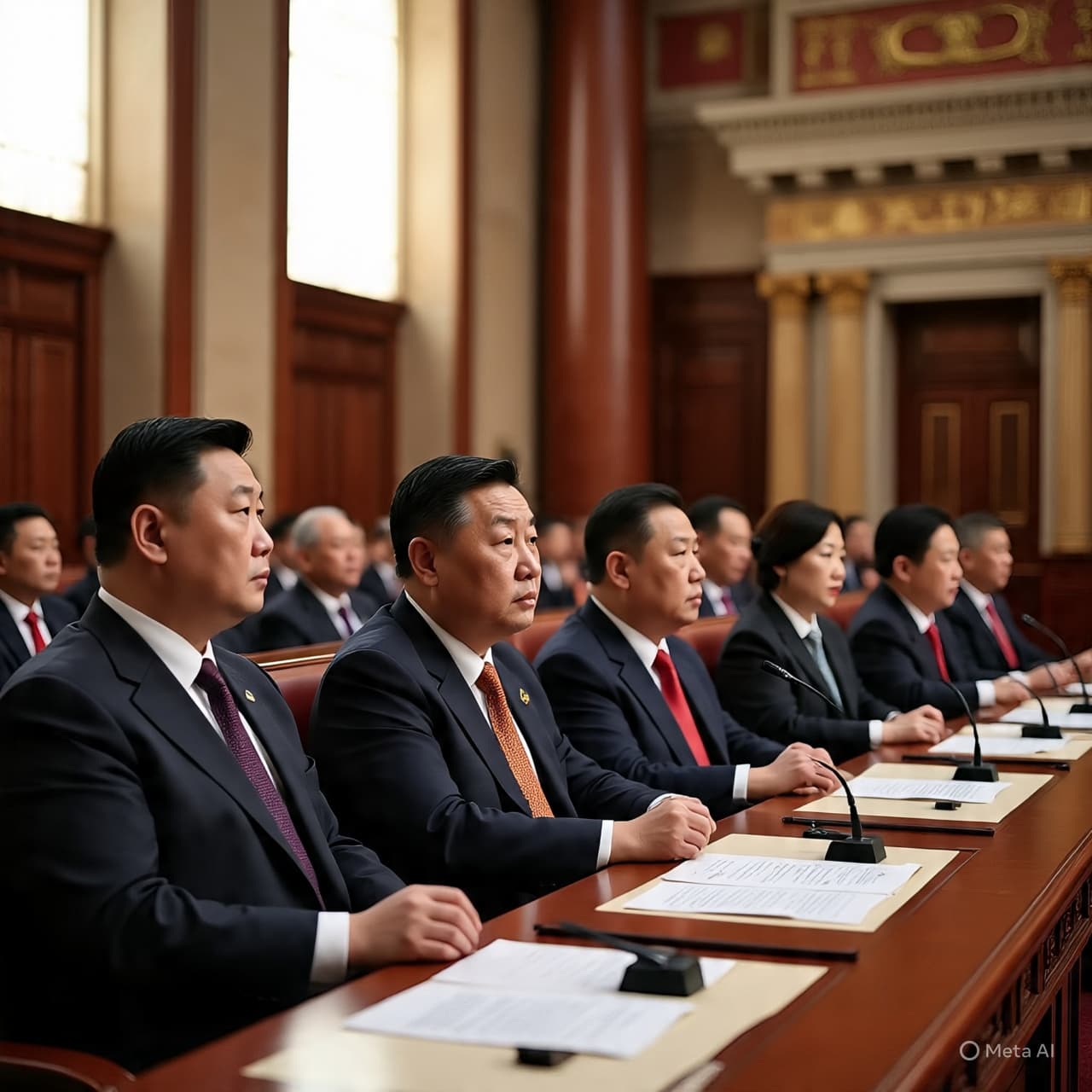
China has officially adopted a new ethnic unity law, a significant legislative move aimed at reinforcing the concept of a singular national identity among its diverse ethnic groups. This law, passed by the National People's Congress, seeks to promote social cohesion and a shared sense of belonging among the country's more than fifty recognized ethnic communities. Officials assert that the law is a crucial step toward fostering harmony and stability in a nation characterized by its vast cultural and linguistic diversity.
The legislation encourages government institutions, educational systems, and public organizations to promote narratives that emphasize a shared history and cultural identity. By framing the law as a means to enhance national solidarity, Chinese authorities aim to cultivate a sense of unity that transcends ethnic differences. Supporters within the government argue that this approach is essential for maintaining stability in a country with remote regions and varied cultural practices.
However, the new law has sparked significant concern among critics and international observers. Many fear that it may institutionalize policies that promote assimilation into the dominant Han Chinese culture, potentially undermining the rights of minority communities to preserve their unique traditions, languages, and religious practices. This apprehension is particularly pronounced in regions like Xinjiang and Tibet, where cultural identity and autonomy have been contentious issues. Human rights organizations have pointed out that policies promoting cultural integration often coincide with restrictions on religious expression and local customs.
Chinese officials have consistently dismissed allegations of cultural suppression, asserting that their policies are designed to promote equality among all ethnic groups and ensure that every community benefits from the country's economic and social development. They argue that the new law is a continuation of China's long-standing commitment to national integration, which they believe is vital for the country's progress.
The passage of the ethnic unity law is part of a broader trend in which national identity has become increasingly central to public policy in China. Over the past decade, the Chinese leadership has emphasized the importance of a unified national narrative, encouraging citizens from various regions and ethnic backgrounds to view themselves as part of a cohesive historical and cultural continuum. This shift raises important questions about how to balance the promotion of a shared national identity with the preservation of cultural diversity.
The implications of this law extend beyond China's borders, as many nations grapple with similar challenges regarding language policies, education systems, and the role of minority cultures in shaping national identity. The debate surrounding the ethnic unity law highlights a delicate balance that diverse societies must navigate: fostering a sense of belonging while respecting and celebrating cultural differences.
As the law transitions from a legislative text to practical implementation, its effects will likely be felt in classrooms, cultural institutions, and local communities throughout China. The ongoing expressions of culture and identity will continue to influence how unity is perceived and experienced in the years to come, making it a critical area for observation and analysis.
Published by Banx Network. This article is part of the Banx decentralized media programme, powered by the BXE token on the XRP Ledger.




