
Key Highlights
- Fatal shootings occurred on May 29 and 30, 2026, in the Colombia-Venezuela border region.
- Local business owners were among those targeted in clashes between armed factions.
- The humanitarian situation remains precarious as authorities struggle for control.
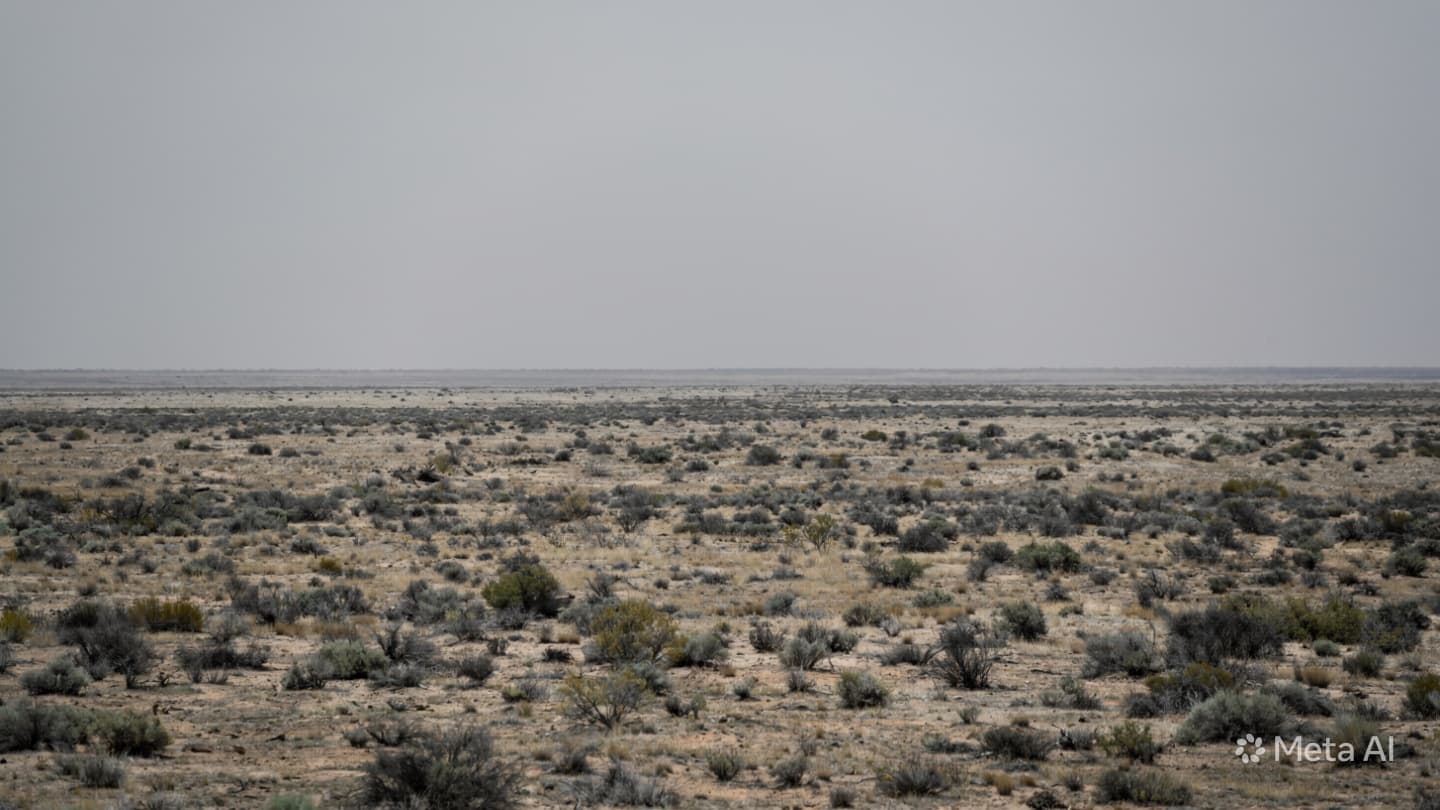
The borderland between Colombia and Venezuela is a complex and often dangerous area, characterized by shifting meanings and ongoing tensions. In the scrublands that stretch between these two nations, the air is thick with the weight of history and conflict. The recent incidents of gunfire, particularly on May 29 and 30, 2026, serve as a stark reminder of the instability that has plagued this region for years. These shootings, which targeted local business owners, are not isolated events but part of a larger narrative of violence and struggle for control over this contested territory.
The violence in this border region is deeply rooted in the socio-political dynamics that define the area. Armed groups vie for influence and resources, often at the expense of local communities. The shootings are a grim punctuation in a long-standing battle for dominance, where the law is often a relative concept and safety is a fleeting illusion. For the civilians caught in this turmoil, the constant threat of violence shapes their daily lives, forcing them into a state of perpetual negotiation with the realities of their environment.
International observers and humanitarian organizations are present in the region, attempting to monitor the situation and provide support to affected communities. Their work is crucial, yet fraught with challenges. The volatility of the area complicates their efforts, as they strive to advocate for the humanity of those living in the margins. The presence of these organizations highlights the urgent need for a shift in the narrative surrounding the border, from one of conflict to one of potential exchange and cooperation.
As the authorities issue procedural statements regarding the violence, the reality on the ground remains far more complex. The border is not merely a line on a map; it is a living entity, shaped by the experiences of those who inhabit it. The recent shootings demand attention and action, challenging the apathy that often surrounds long-standing crises. They serve as a call to recognize the lives that are lived in the shadows and the systemic failures that perpetuate this cycle of violence.
The human cost of this conflict is borne by the farmers, traders, and families who seek to exist peacefully. Their lives are marked by a constant hum of anxiety, which spikes during incidents of violence. Each shooting is not just a statistic; it is a violent assertion of control that forces individuals to retreat into their homes, shrinking their world as they await a return to normalcy.
Ultimately, the Colombia-Venezuela borderland stands as a testament to the complexities of peace. It is not merely the absence of conflict but the presence of security, dignity, and a shared vision for the future. Until these elements are realized, the path along this divide will continue to echo with the sounds of gunfire, leaving communities to navigate the uncertain paths of their existence.
Published by Banx Network. This article is part of the Banx decentralized media programme, powered by the BXE token on the XRP Ledger.



