Industrial cooperation often begins as an idea on paper before finding its physical shape in factories, logistics corridors, warehouses, and new communities. Between Indonesia and China, that process is moving into another stage as both countries work to identify priority projects under the Two Countries Twin Parks framework.
The two sides agreed to accelerate implementation of the initiative by compiling a prioritized list of industrial projects and sectors. The objective is to strengthen trade, investment, industrial development, and cross-border cooperation.
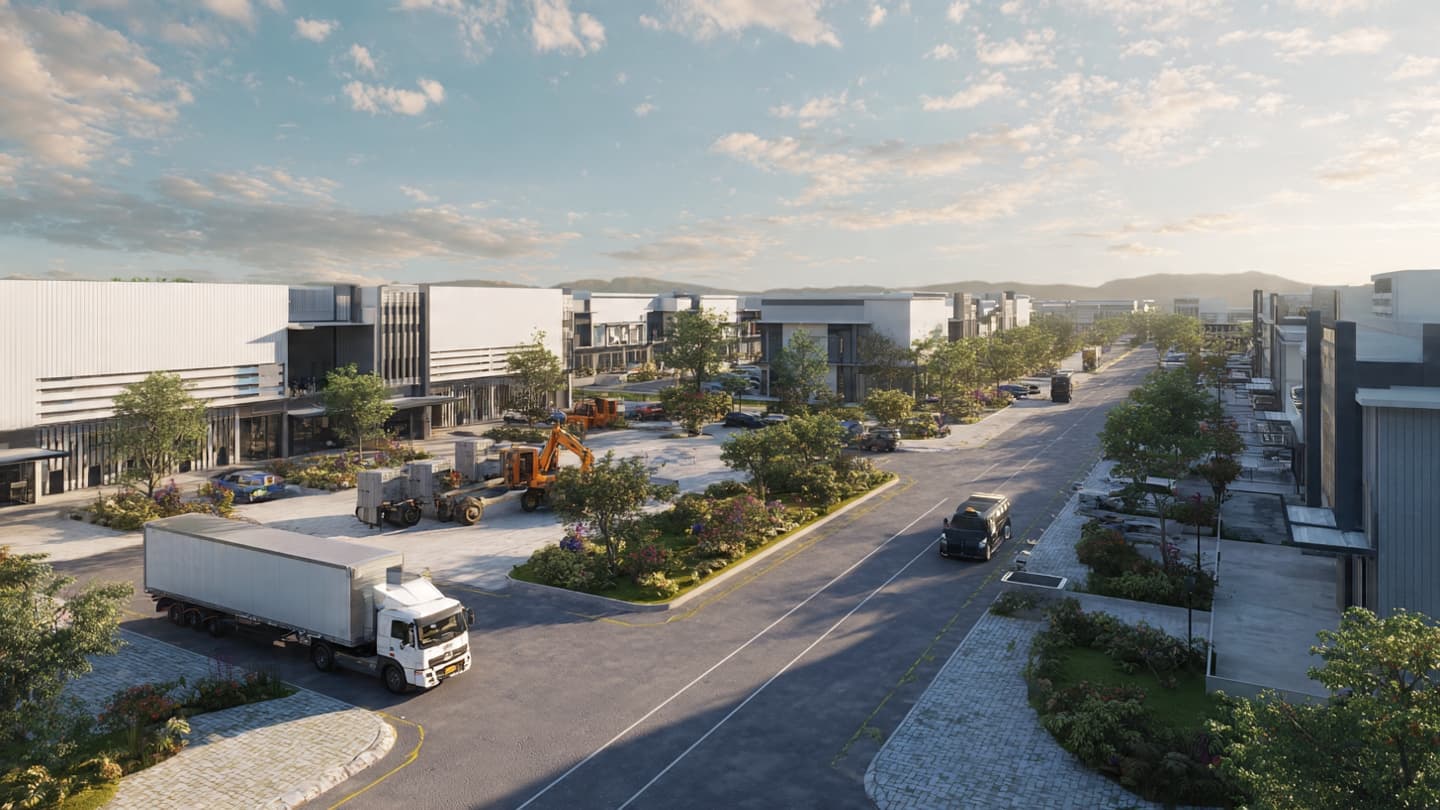
At the center of the discussion is the development of Batang Industropolis in Central Java. The industrial area has emerged as one of the principal locations associated with the cooperation framework, linking Indonesia’s industrial ambitions with Chinese investment, technology, and manufacturing experience.
The Twin Parks concept is designed around complementary strengths. Indonesia offers a large domestic market, natural resources, industrial locations, and a growing workforce, while Chinese companies bring manufacturing capabilities, technology, financing, and extensive supply-chain experience. The aim is to connect those advantages more systematically.
The partnership has already produced multiple memoranda of understanding involving economic zones, local governments, and business entities. Antara reported that the framework had generated 30 MoUs, with an estimated investment value of around US$2.3 billion.
The next challenge is moving from commitments toward implementation. Both sides have emphasized stronger coordination, identifying sectors with high potential, and establishing clearer follow-up mechanisms. Such steps are important because industrial cooperation ultimately depends on projects becoming operational rather than remaining at the level of agreements.
Trade facilitation and customs coordination are also part of the process. Smoother movement of goods can help industrial parks function as integrated production networks rather than isolated manufacturing sites. Expanded market access is similarly intended to make the cooperation more attractive to companies considering investment.
Indonesia plans to incorporate the discussions into a broader master plan that can serve as a technical reference for future implementation. That approach gives the partnership a more structured path, allowing individual projects and sectors to be considered within a wider industrial framework.
The cooperation is also unfolding within a broader expansion of economic ties between Indonesia and China. Recent discussions have included infrastructure, supply chains, industrial integration, the digital economy, and technology, creating several potential connections beyond conventional manufacturing.
For the Twin Parks initiative, the coming period will therefore be measured less by the language of cooperation and more by the emergence of concrete projects. Industrial landscapes take time to develop, but once factories, logistics systems, and supply chains begin to connect, agreements can acquire a more visible form. Between Indonesia and China, that process is now moving toward its next phase.
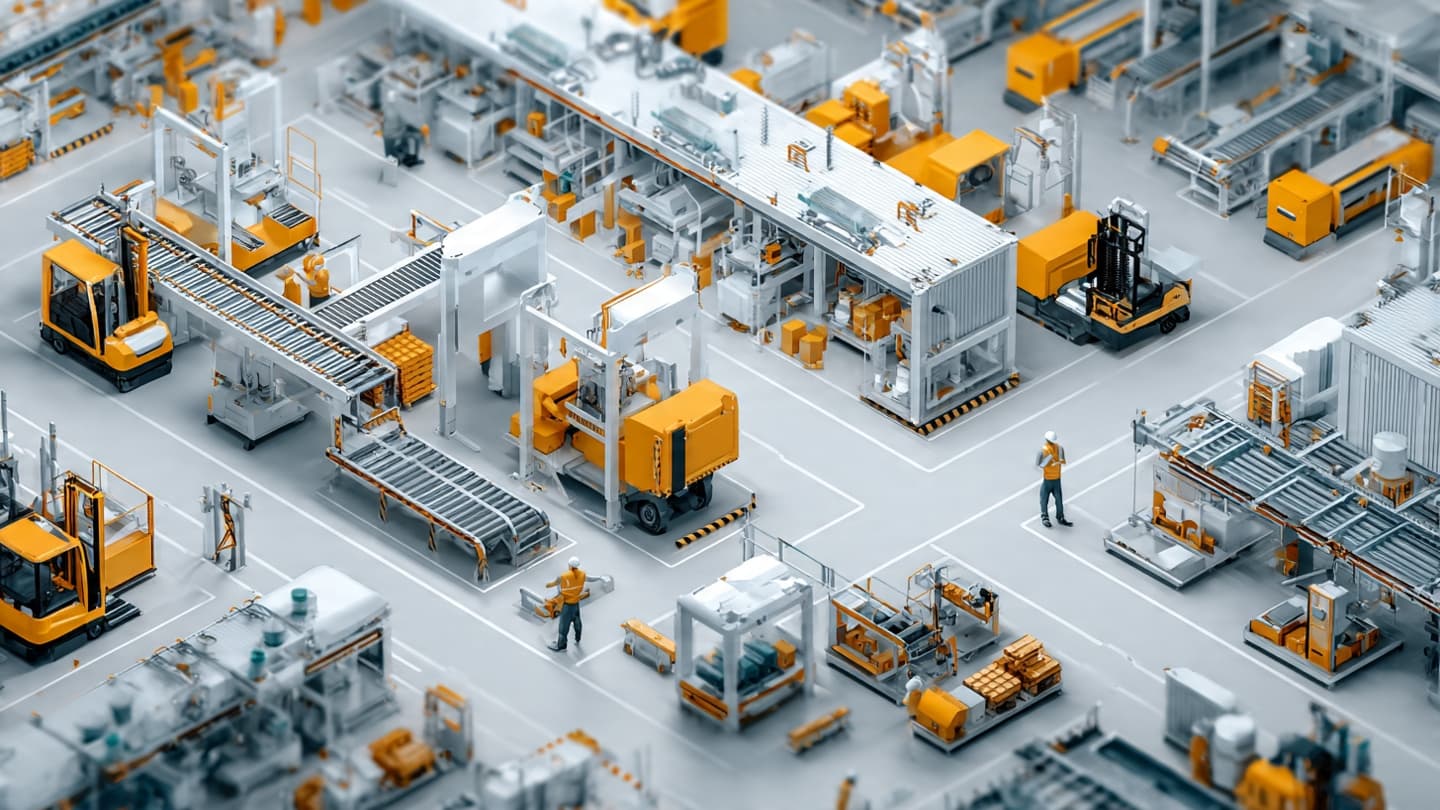
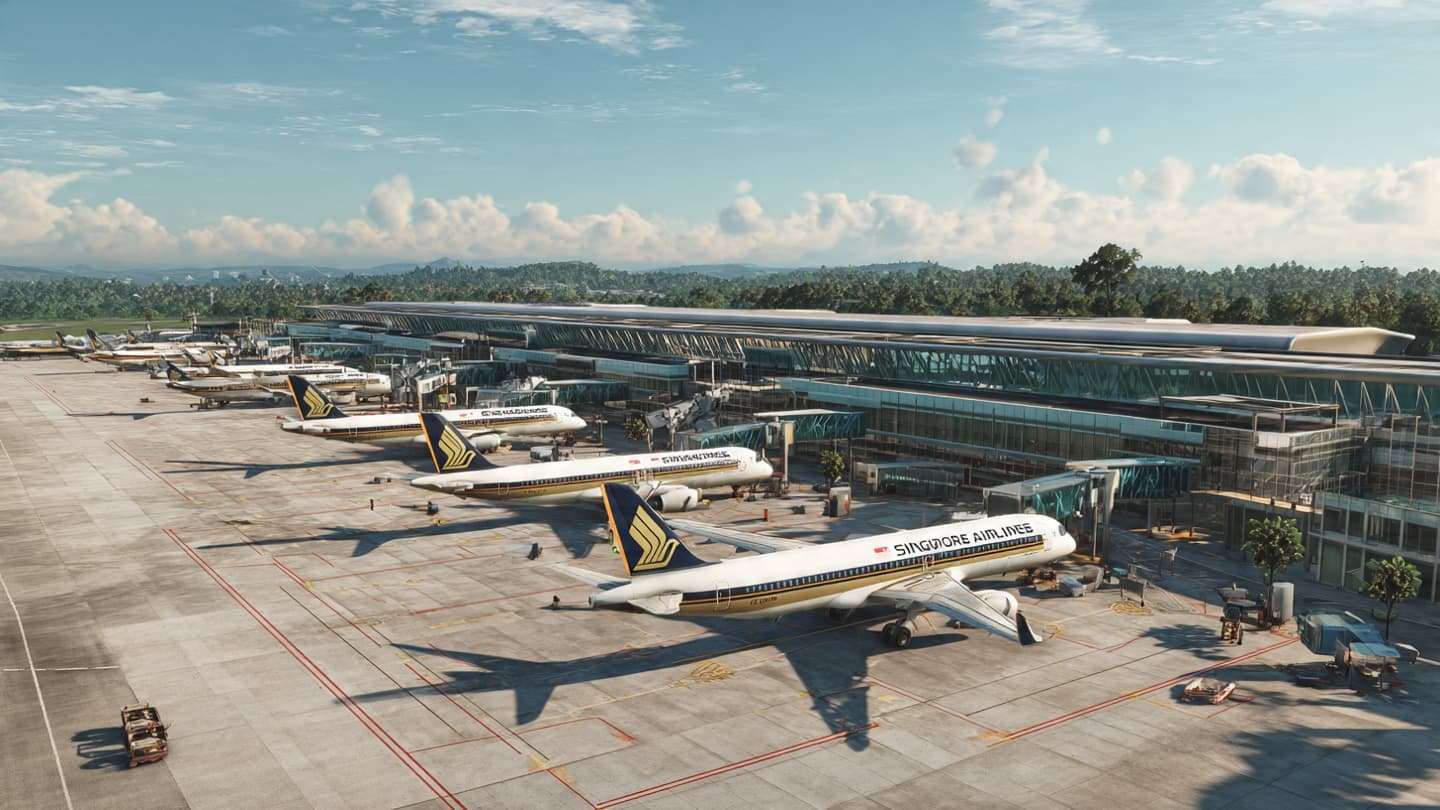
AI Image Disclaimer The illustrations were generated using AI and are conceptual visualizations of Indonesia-China industrial cooperation, rather than photographs of actual Twin Parks facilities.
Sources Antara
Published by Banx Network. This article is part of the Banx decentralized media programme, powered by the BXE token on the XRP Ledger.