
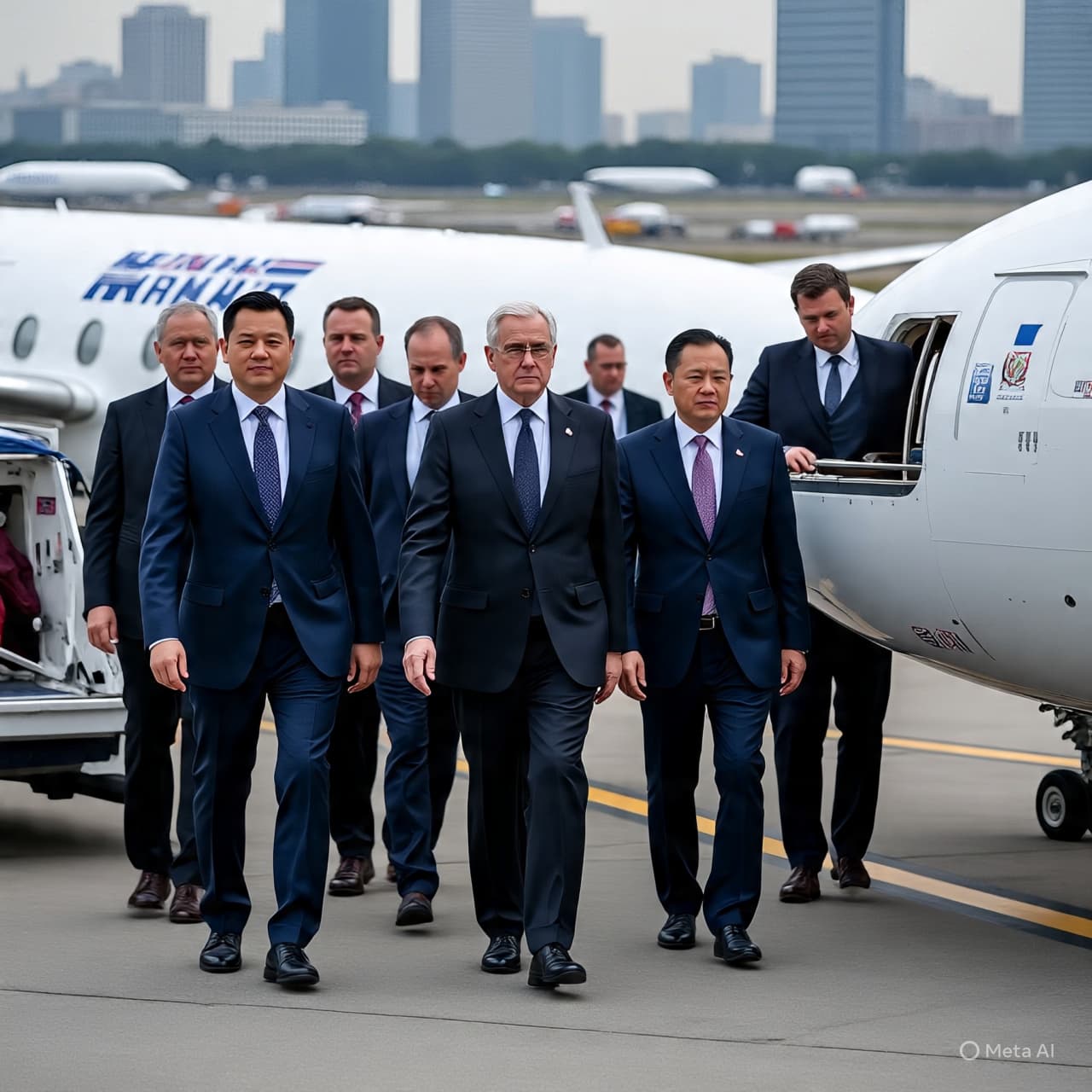
Key Highlights
- Diplomatic Engagement:UK Prime Minister Keir Starmer visits China to enhance trade relations.
- Economic Agreements:Discussions include tariff reductions on Scotch whisky and market access.
- U.S. Concerns: Donald Trump warns the UK against deepening ties with China.
British Prime Minister Sir Keir Starmer's recent visit to Shanghai marks a pivotal moment in the UK's approach to international trade and diplomacy. Arriving amid a backdrop of economic uncertainty, Starmer's mission is clear: to forge stronger ties with China, the world's second-largest economy, while navigating the complex geopolitical landscape shaped by the United States. The visit comes at a time when the UK is seeking to redefine its global relationships post-Brexit, and China represents both a significant opportunity and a potential risk.
During his meetings in Beijing with President Xi Jinping, Starmer emphasized the need for a more sophisticated relationship between the UK and China, one that prioritizes mutual economic benefits. The discussions led to agreements aimed at reducing tariffs on Scotch whisky and enhancing access to Chinese markets for British goods. These developments were met with cautious optimism from business leaders accompanying Starmer, who see the potential for increased trade as a vital component of the UK's economic recovery.
However, the visit was not without its challenges. U.S. President Donald Trump, who has been vocal about his concerns regarding China's growing influence, issued a stark warning to the UK. He described the deepening of commercial ties with China as “very dangerous,” reflecting the ongoing tensions between the U.S. and China. Trump's admonition underscores the delicate balance the UK must strike as it seeks to expand its economic horizons while maintaining its longstanding alliance with the United States.
In response to Trump's comments, a British minister defended the necessity of engaging with China, labeling the idea of avoiding such engagement as “absolutely bonkers.” This sentiment resonates with many in Westminster who believe that constructive dialogue and business cooperation can coexist with national security considerations. The UK government has reiterated that it is committed to safeguarding its strategic interests while exploring economic opportunities in China.
Starmer's trip is emblematic of a broader trend in international relations, where nations must navigate the narrow bridge between opportunity and risk. As the UK delegation departed Beijing for Shanghai, the implications of their discussions were clear: the future of UK-China relations will require careful negotiation and a willingness to engage with both the promise of expanded trade and the realities of geopolitical caution.
As the world watches, the question remains whether the UK can successfully balance these competing interests. The outcome of Starmer's visit may set the tone for future diplomatic engagements and trade policies, shaping the landscape of international relations in the years to come. In the quiet moments following Starmer's arrival in Shanghai, the air is thick with anticipation, as the UK stands at a crossroads, poised to redefine its role on the global stage.
Published by Banx Network. This article is part of the Banx decentralized media programme, powered by the BXE token on the XRP Ledger.



