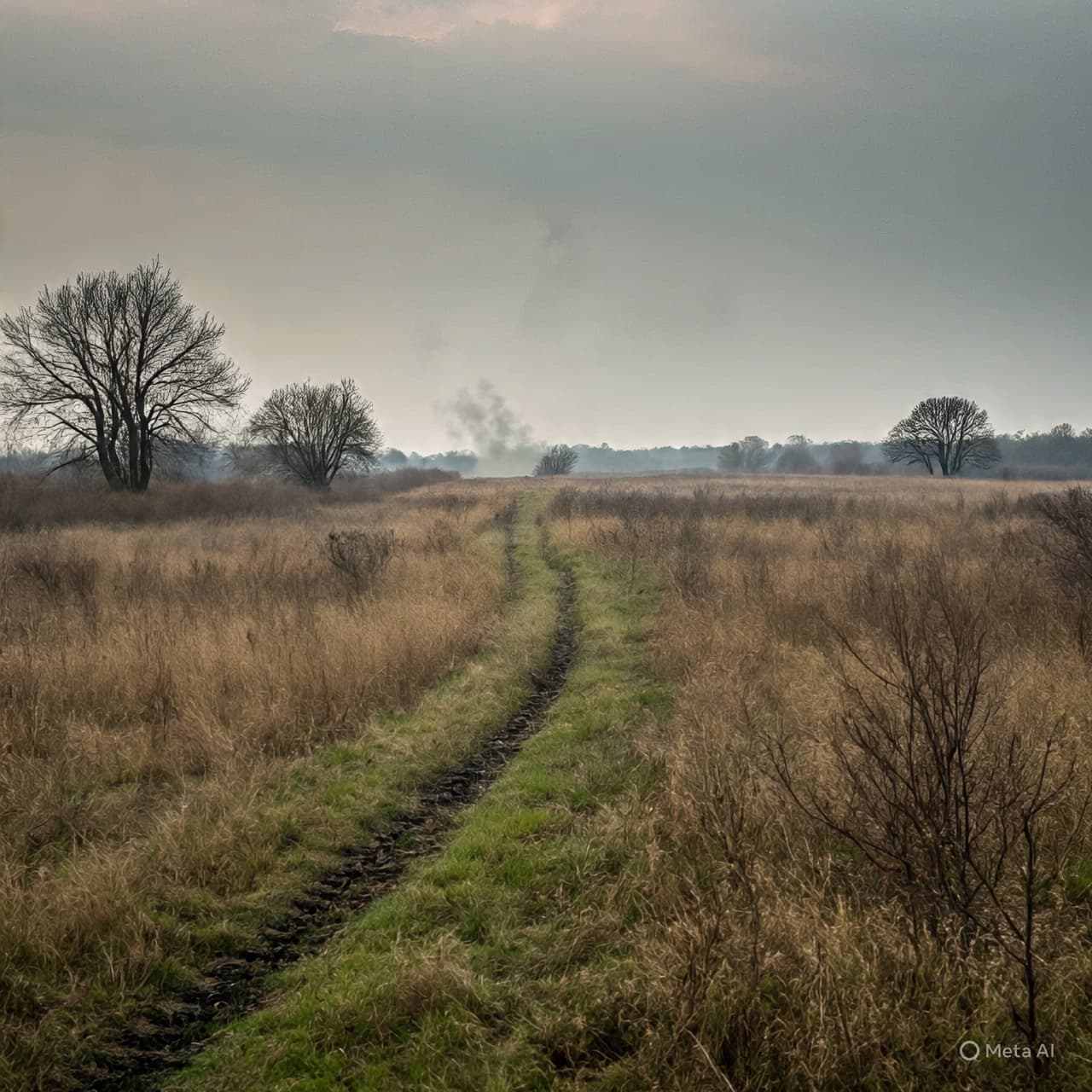
Across the long horizon of Ukraine’s southern steppe, the land is restless again. The snow lies thin on the furrows of tilled soil, and the air, sharp and metallic, carries the hum of distant movement — the slow, deliberate advance of soldiers reclaiming ground once lost to silence and flame. In this muted landscape, where every hill remembers the weight of war, the rhythm of return has begun.
In recent weeks, Ukrainian forces have pressed forward along several sectors of the front, regaining ground across the Zaporizhzhia and Kharkiv regions in movements both modest and meaningful. The maps may change in increments, but to those who have walked these plains, even a handful of reclaimed villages marks the difference between exile and belonging. Over two hundred square kilometers — once dotted with burned-out machinery and broken homes — have been returned to Ukrainian control, the largest territorial recovery since the counteroffensive regained momentum in late 2023.
The change did not come through sudden force but through patience — through the slow clearing of minefields, the cautious advance across open ground, the measured coordination of troops hardened by years of endurance. Reports from the front speak less of speed and more of persistence: artillery duels that stretch into the night, engineers rebuilding bridges under shellfire, and the cautious lifting of national flags in places where silence had grown heavy.
In the east, the front near Kostiantynivka and Pokrovsk has shifted, pushing Russian units backward from long-held positions. Further south, beyond the outskirts of Zaporizhzhia, reclaimed farmland bears new scars — tank tracks pressed into mud and the remnants of winter fortifications hastily abandoned. The tempo, though restrained, suggests a renewed determination to reclaim not just territory, but the confidence of motion after months of stalemate.
For the civilians who have waited, the return feels at once familiar and strange. In newly liberated towns, residents step from cellars and ruined courtyards, testing the air for quiet, speaking names of neighbors they have not seen since the occupation began. In one street, children’s bicycles lie half-buried in frost, and soldiers walk past them wordlessly — reminders of a life that will take longer to reclaim than the land itself.
Even as peace discussions resume abroad, the front line remains a landscape of caution and resolve. Russian troops have fortified deeper positions, and Ukrainian advances unfold slowly against layered defences. Yet, beneath the grind of war, there is movement — not of armies alone, but of memory, identity, and endurance. The ground, frozen and scarred, is once again being written upon by those who call it home.
In clear news terms, Ukrainian forces have intensified their counteroffensive operations, reclaiming more than two hundred square kilometers of territory from Russian troops in the past week. The advances, concentrated in the Zaporizhzhia and eastern sectors, mark the most significant territorial gains since mid-2023 and coincide with renewed international diplomatic discussions about the future of the conflict.
AI Image Disclaimer
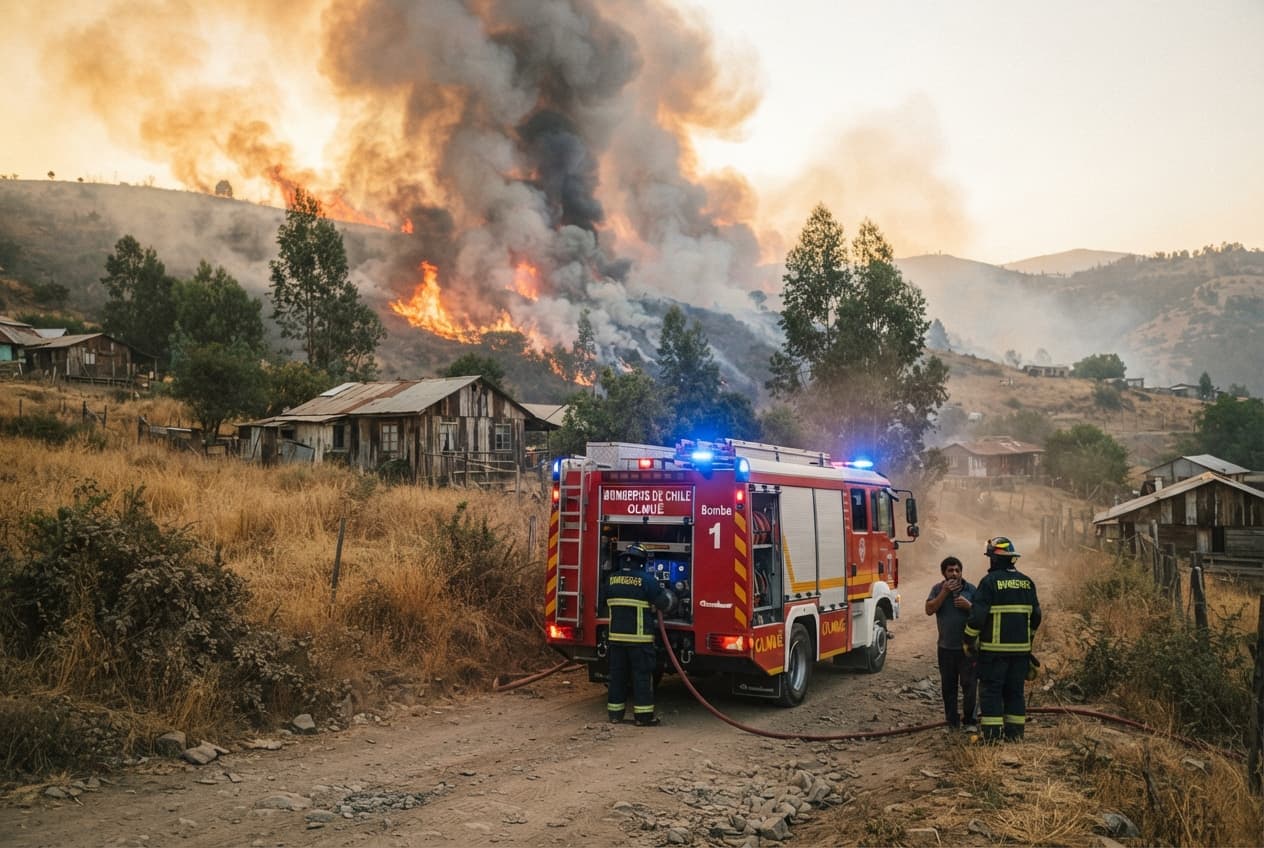
Visuals are AI-generated and serve as conceptual representations.
Sources (Media Names Only)
Reuters AFP The Guardian Euronews Ukrainska Pravda
Published by Banx Network. This article is part of the Banx decentralized media programme, powered by the BXE token on the XRP Ledger.