
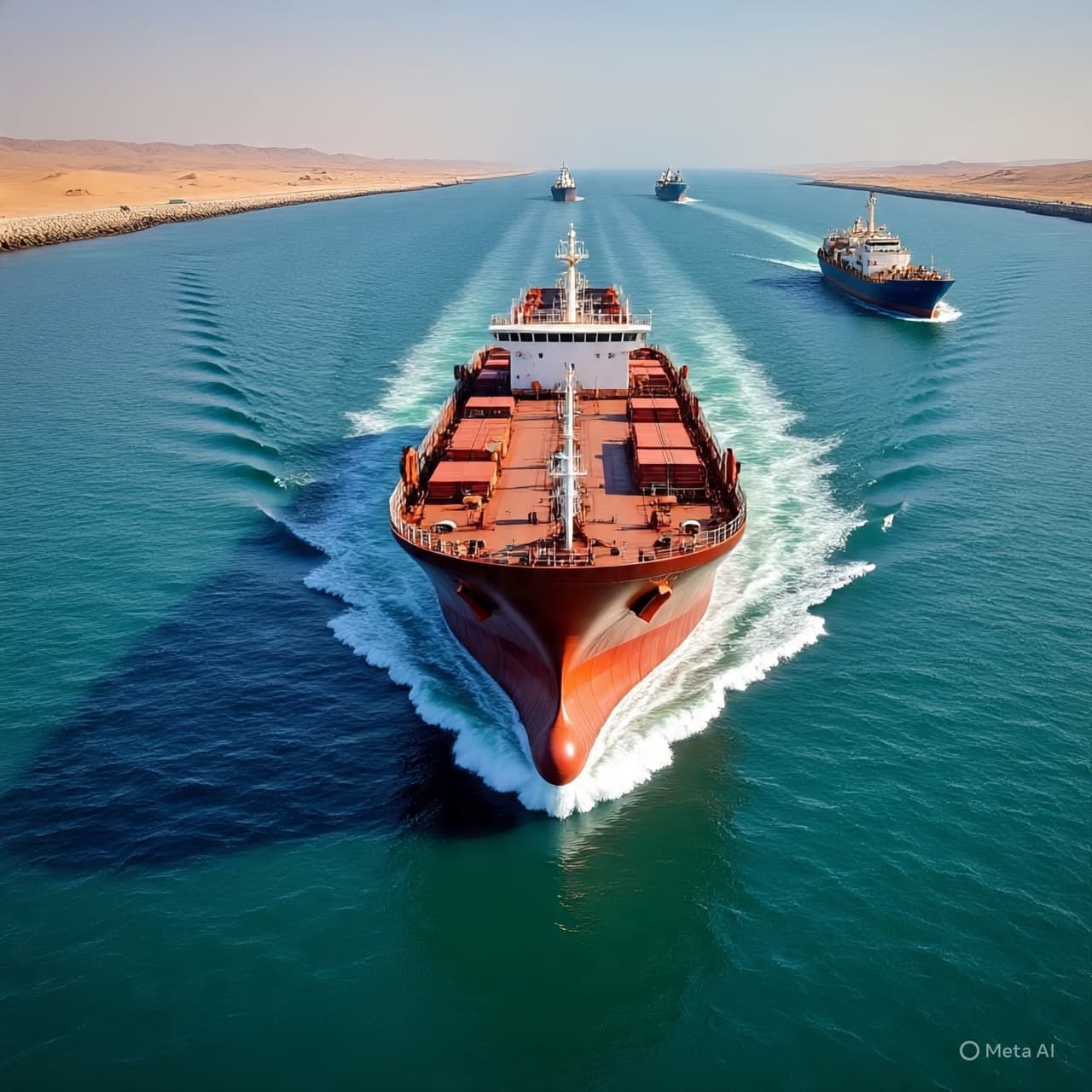
Key Highlights
- Incident:A Thai vessel was attacked in the Strait of Hormuz.
- Crew Status:Three crew members are feared trapped aboard the ship.
- Strategic Importance:The Strait of Hormuz is a critical maritime corridor for global oil shipments.
The Strait of Hormuz, a vital maritime passage, has once again become the focal point of international concern following an attack on a Thai vessel. This incident, which left three crew members believed to be trapped aboard, underscores the ongoing risks faced by commercial shipping in this strategically significant region. The attack occurred in waters that are crucial for global energy transport, where a significant portion of the world's oil shipments traverse daily.
Initial reports indicate that the vessel, linked to Thailand's maritime sector, was targeted while navigating the strait. The specifics of the assault are still under investigation, but it is confirmed that the ship sustained damage, creating perilous conditions for those on board. Authorities are currently working to ascertain the status of the trapped crew members and coordinate rescue efforts.
The Strait of Hormuz, located between Iran and Oman, serves as a critical gateway for oil and liquefied natural gas shipments bound for markets across Asia, Europe, and beyond. Approximately one-fifth of the world's oil supply passes through this narrow channel, making it a focal point for geopolitical tensions and maritime security concerns. Incidents in this area can have far-reaching implications, affecting shipping companies and international markets alike.
In response to the attack, maritime authorities and nearby vessels are mobilizing to assist in rescue operations. The immediate priority is to ensure the safety of the crew and assess the structural integrity of the affected vessel. Such incidents highlight the precarious nature of maritime navigation in the region, where geopolitical tensions often intersect with commercial interests.
For seafarers, navigating the Strait of Hormuz is both routine and fraught with responsibility. The crews of these massive vessels must maneuver through tight channels while managing the risks posed by regional instability. Despite the challenges, the demand for energy and goods continues to drive shipping traffic through this vital corridor.
As investigations proceed, the fate of the trapped crew members remains uncertain. The maritime community is closely monitoring the situation, aware that even isolated incidents can have significant repercussions for safety and security in one of the world's most important shipping lanes. The Strait of Hormuz continues to be a narrow passage where the movements of ships reflect broader global currents, underscoring the interconnectedness of commerce and geopolitical dynamics.
Published by Banx Network. This article is part of the Banx decentralized media programme, powered by the BXE token on the XRP Ledger.



