
Key Highlights
- New forensic evidence suggests human remains may have been present at a property linked to Kristin Smart's case.
- Kristin Smart disappeared in 1996, and her case remains one of California's most enduring mysteries.
- Paul Flores was convicted in 2022 for Smart's murder, but her body has never been found.
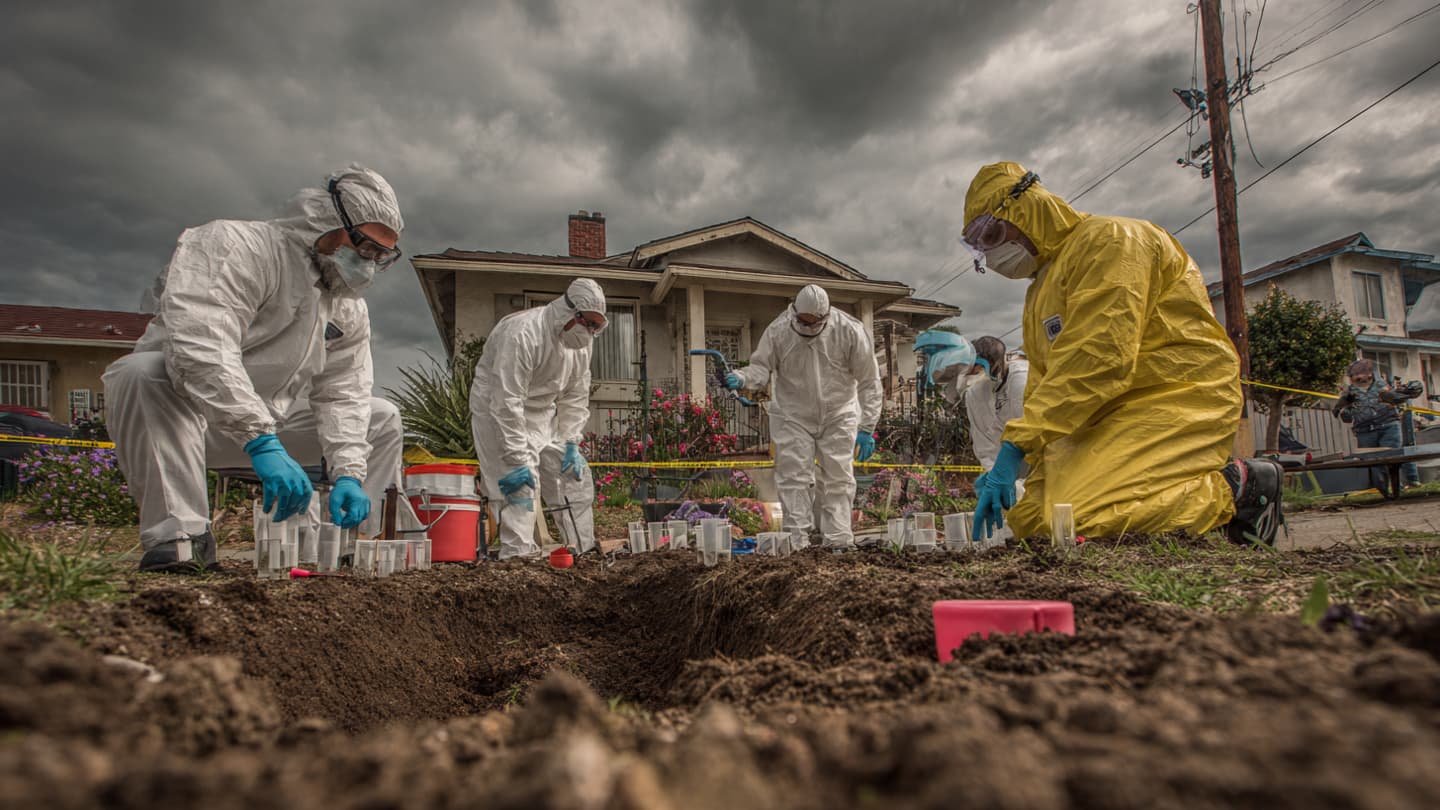
New evidence has surfaced in the long-standing investigation into the disappearance of Kristin Smart, a college student who vanished nearly three decades ago near California Polytechnic State University in San Luis Obispo. Recent soil testing at a property associated with Paul Flores, the man convicted in 2022 for her murder, has revealed findings consistent with the past presence of human remains. This development has reignited public interest in a case that has haunted the community for years.
The soil samples were collected from a residence in Arroyo Grande, linked to Flores' family. Forensic analysis has indicated traces that suggest human remains may have been buried at the site. This revelation comes as part of ongoing investigative efforts and renewed forensic techniques that have become increasingly vital in cold cases, where traditional evidence may have long since decayed.
Kristin Smart's disappearance in 1996 marked the beginning of a complex and emotionally charged investigation. At just 19 years old, she was last seen walking back to campus after attending an off-campus party, reportedly in the company of Flores. The case quickly gained notoriety, evolving into a saga of legal battles, public speculation, and relentless searches that have spanned decades.
The conviction of Flores was a significant milestone in the case, yet the absence of Smart's body has left many questions unanswered. The emotional toll on her family has been profound, as they navigate the uncertainty surrounding her fate. The recent forensic findings may provide new leads, but investigators have not confirmed whether this evidence will lead to further charges or discoveries.
Experts in forensic anthropology and soil chemistry have increasingly utilized advanced techniques to analyze cold cases. These methods can reveal decomposition patterns and biological traces that persist long after visible evidence has disappeared. The implications of such findings are profound, as they can reshape the narrative of a case that has remained stagnant for years.
The Smart case has transcended the courtroom, embedding itself in the collective memory of California, particularly among students at Cal Poly. Each new development serves as a reminder of the ongoing discussions about safety and trust within the campus community. For the Smart family, every piece of evidence, no matter how small, represents a step toward closure in a journey marked by grief and uncertainty.
As investigators continue to analyze the forensic evidence, the community remains hopeful for answers. The emotional landscape surrounding the case is complex, with each new finding potentially altering the narrative that has persisted for nearly three decades. The quiet neighborhoods of San Luis Obispo County continue to bear witness to a story that refuses to fade, as families and students alike navigate their lives under the shadow of Kristin Smart's unresolved disappearance.
Published by Banx Network. This article is part of the Banx decentralized media programme, powered by the BXE token on the XRP Ledger.



