

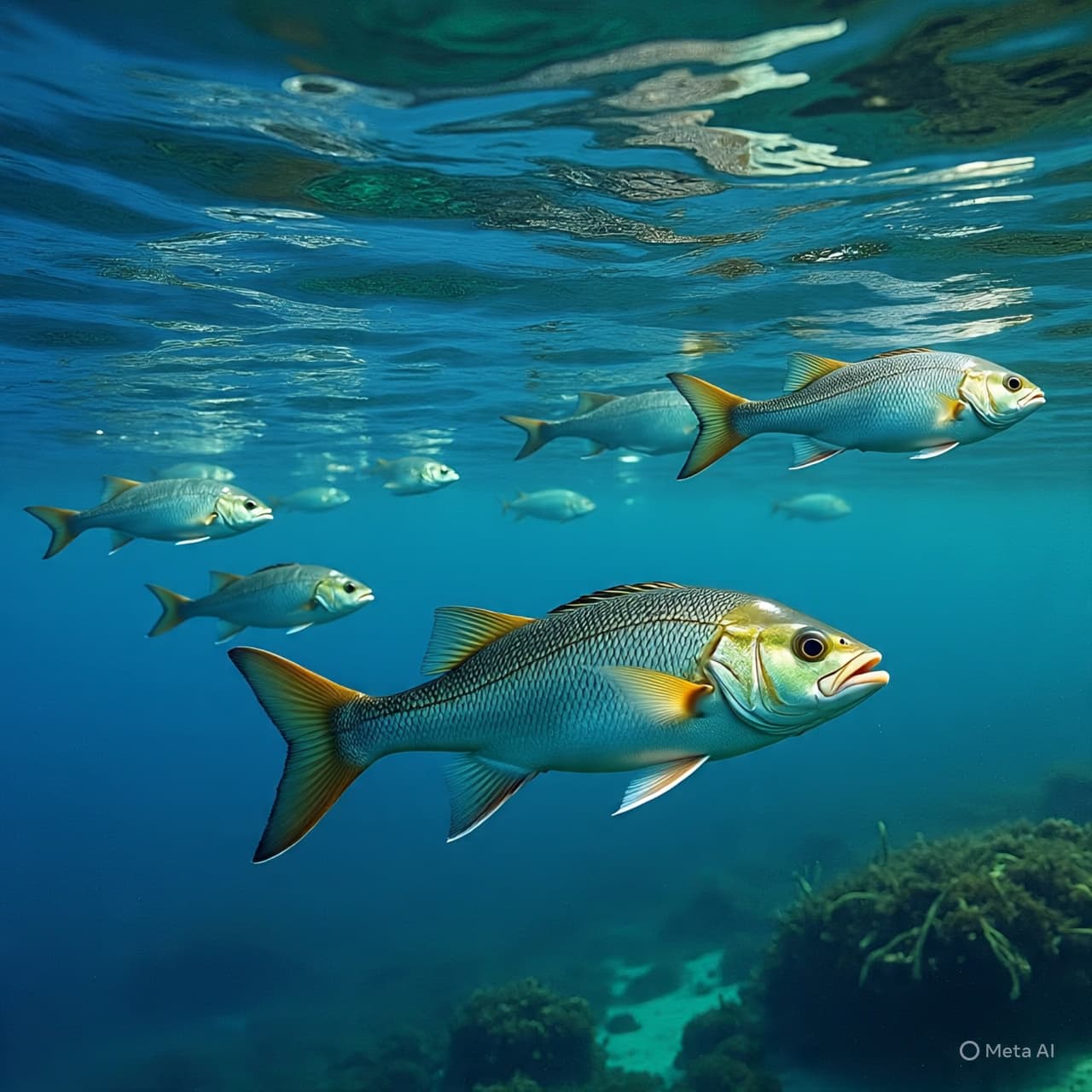
Key Highlights
- Recent genomic research reveals snapper populations have distinct genetic structures.
- Snapper exhibit strong site fidelity, returning to specific spawning grounds.
- Implications for fisheries management highlight the need for habitat protection.
[Understanding Snapper's Genetic Landscape]
Recent genomic research is shedding light on the complex genetic structure of snapper populations, revealing that these fish are not merely drifting with ocean currents but are guided by intricate biological maps. Scientists have discovered that snapper exhibit strong site fidelity, meaning they tend to return to specific regions to spawn, challenging previous assumptions that marine fish populations are largely mixed and interchangeable.
This groundbreaking research indicates that snapper populations may be more structured than previously believed, with distinct groups tied to particular coastal habitats. Advanced genomic sequencing techniques have allowed researchers to track subtle variations in DNA across different snapper populations, providing insights into their movement patterns and reproductive behaviors.
In practical terms, this means that not all snapper are the same, even if they appear identical to the human eye. A fish caught in one region may belong to a genetically distinct group from one caught elsewhere. These genetic differences can influence growth rates, resilience to environmental changes, and reproductive success, which are critical factors for the sustainability of fisheries.
[Implications for Fisheries Management]
The implications of this research for fisheries management are significant. Policies that treat snapper as a single, uniform stock risk overlooking the delicate balance that sustains local populations. Overfishing in one area could disproportionately affect a genetically unique group, potentially leading to long-term ecological consequences. Therefore, understanding the genetic diversity within snapper populations is essential for developing effective management strategies that ensure the health of both the fish and the ecosystems they inhabit.
Moreover, the research underscores the importance of preserving spawning grounds. If snapper rely on specific locations to reproduce, protecting these habitats becomes essential not only for conservation but also for the sustainability of fisheries that depend on them. This highlights a critical intersection between ecological health and economic viability, emphasizing the need for informed policy decisions.
[Broader Implications of Genetic Research]
Beyond the immediate implications for fisheries management, there is a broader narrative unfolding—one that speaks to how life adapts and organizes itself in ways we are only beginning to understand. The ocean, often perceived as chaotic, reveals patterns of remarkable precision when viewed through the lens of genetics. As climate change and human activity continue to reshape marine environments, understanding these hidden structures becomes even more urgent.
Genomic tools offer a way to see what was once invisible, helping scientists anticipate how species might respond to shifting conditions. This knowledge is vital for developing adaptive management strategies that can mitigate the impacts of environmental change on marine life.
[Conclusion: The Story of Snapper]
In the end, the story of snapper is not just about fish. It is about connection—to place, to history, and to the unseen forces that guide life beneath the waves. As research continues to unfold, it becomes clear that even in the vast openness of the ocean, the idea of 'home' still holds meaning. Understanding the genetic intricacies of snapper populations not only enriches our knowledge of marine biology but also reinforces the importance of conservation efforts aimed at preserving the delicate balance of our oceans.
Published by Banx Network. This article is part of the Banx decentralized media programme, powered by the BXE token on the XRP Ledger.




