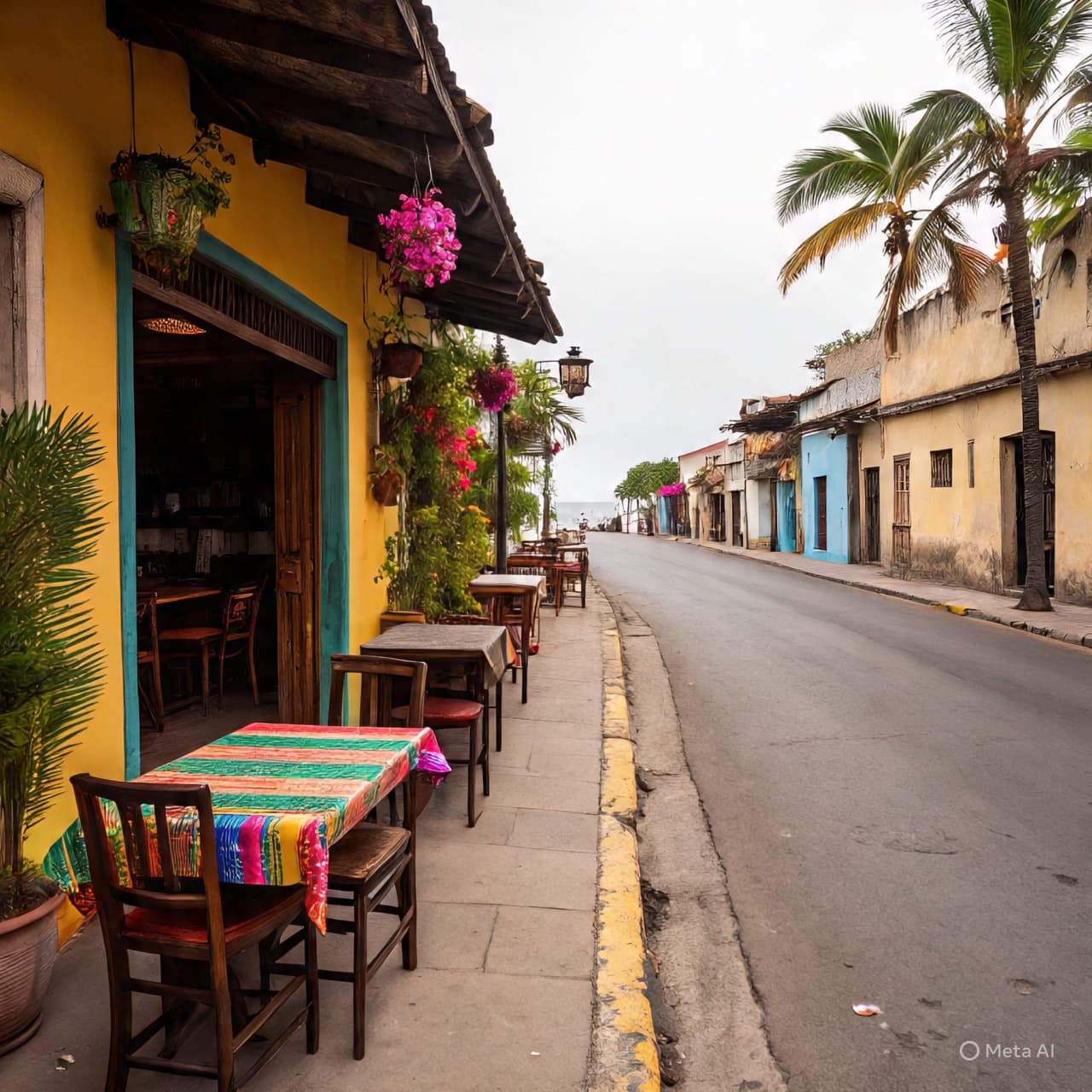
Morning arrives gently along the curve of Banderas Bay, light slipping over tiled roofs and palm fronds as if nothing in the world has shifted. The Pacific keeps its patient rhythm. Brown pelicans still skim the surface of the water. From a balcony, the city appears composed, almost serene. And yet, beneath the calm, there is a quiet pause—a held breath that lingers in the humid air.
I am an American sheltering in place in Puerto Vallarta, a city that usually hums with the soft percussion of rolling suitcases and late-night music drifting from open-air restaurants. I am not afraid. The days feel orderly enough. Groceries can still be found. The sun still rises with theatrical certainty. But what settles heavily is not fear—it is sadness.
Tourism is the lifeblood of this coastal corner of Mexico. In ordinary seasons, visitors arrive in steady waves, filling hotels, chartering fishing boats, crowding the Malecón with cameras and sunburned shoulders. Many families here depend on those arrivals—the waiters who balance plates like choreography, the housekeepers who fold crisp linens, the taxi drivers who memorize the moods of traffic and tide.
When movement slows, wages evaporate quietly. A canceled reservation is not just an empty room; it is a week’s groceries, a school fee, a utility bill deferred. The stillness settles unevenly. For visitors like me, sheltering in place can feel like an inconvenience softened by savings and return tickets. For locals, it is a thinning thread in an already delicate weave.
In the state of Jalisco, authorities have at times urged caution during periods of instability or disruption—whether tied to security concerns, public health advisories, or shifting travel patterns. Each advisory arrives in the language of precaution. Each one ripples outward into real kitchens and crowded buses, into markets where vendors measure the day not by headlines but by sales.
The city adapts the way coastal cities always have. Restaurant owners adjust hours. Fishermen mend nets with unhurried hands. Families gather more closely at dusk. There is resilience here, but it is not loud. It moves like the tide—persistent, understated, returning again and again.
From my window, I watch the light change over the Sierra Madre mountains as afternoon leans into evening. The air smells faintly of salt and grilled corn. Somewhere below, a radio plays an old ranchera song. Life has not stopped. It has only narrowed, drawing inward.
In recent years, Puerto Vallarta has weathered storms both literal and economic—pandemic closures that emptied airports, fluctuations in international travel, moments of regional tension that flickered across news screens far away. Each time, the city has reopened itself like a book, inviting the world back to its beaches and cobblestone streets. Yet reopening does not erase the interim—the weeks when paychecks do not come, when tips are counted and recounted.
I remain sheltered, not frightened but reflective. It is a peculiar position, to be safe and solvent in a place where others are calculating loss in daily increments. The ocean continues its indifferent shimmer. The cruise ships will return; they always do. Flights will descend again over the bright arc of the bay. The Malecón will fill with the choreography of evening promenades.
For now, though, the city rests in a softer register. The waves fold into shore with unbroken rhythm, as if to remind everyone that movement, even when slowed, never entirely ceases. And in that steady sound, there is both comfort and ache—the knowledge that while the sea keeps moving, many livelihoods wait for their own tide to turn.
AI Image Disclaimer Illustrations were created using AI tools and are not real photographs.
Sources BBC News Reuters The New York Times Associated Press Mexico News Daily
Published by Banx Network. This article is part of the Banx decentralized media programme, powered by the BXE token on the XRP Ledger.

.jpg&w=3840&q=75 "Romania Passes Controversial Integrity Law for Officials to Access EU Funds")