
Key Highlights
- Surf tourism is emerging as a means to preserve traditional fishing practices in Peru.
- Local fishermen are adapting by guiding tourists and sharing their cultural heritage.
- The balance between modernization and tradition is crucial for community identity.
In coastal regions of Peru, time appears to flow differently, shaped by the rhythm of the ocean and the stories of generations. The northern coast, in particular, has long been a vital source of sustenance and culture for local fishermen who rise with the sun and return with the tide. Here, the sea is not just a resource; it is a storyteller, weaving the narratives of those who have lived in harmony with its waves for centuries.
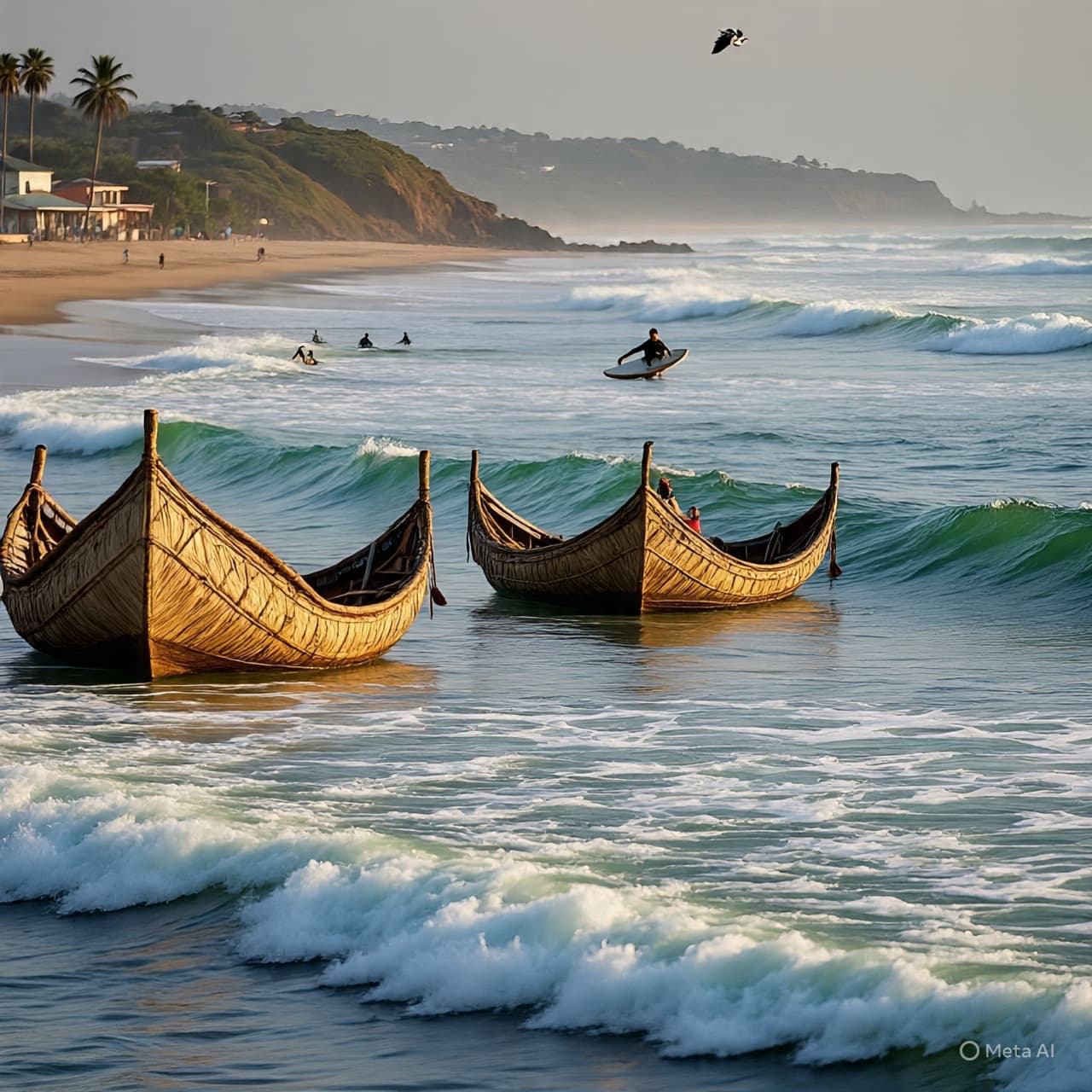
Central to this coastal life are the traditional reed boats known as caballitos de totora. These light, curved vessels, crafted by hand, glide gracefully across the water, embodying a deep-rooted knowledge passed down through generations. However, the continuity of such traditions faces challenges from declining fish stocks, economic pressures, and the encroachment of modernization. As the world changes, so too do the lives of those who depend on the sea.
In this evolving landscape, surf tourism has emerged as an unexpected ally. What was once a natural rhythm of waves has transformed into a global attraction, drawing surfers from around the world in search of the perfect break. Yet, as these visitors arrive, they encounter a living culture that has navigated these waters long before tourism took hold. The coastal towns have become intersections of past and present, where surfers on modern boards share the waves with fishermen skillfully balancing on their traditional vessels.
For many local fishermen, the influx of tourists has opened new avenues for economic sustainability. Some have begun to guide visitors, sharing stories of their craft and demonstrating the making and use of their boats. The ocean, once solely a source of livelihood through fishing, now serves as a broader space for cultural exchange and economic opportunity. This shift highlights the potential for tourism to support and sustain traditional practices rather than replace them.
However, this transformation is not without its complexities. Communities are increasingly aware that preserving authenticity is as crucial as embracing change. The traditions associated with caballitos de totora are not merely techniques; they are expressions of identity, woven into the fabric of local culture. Organizations dedicated to safeguarding intangible cultural heritage emphasize the importance of these practices, recognizing their value beyond immediate economic function.
In Peru, the growing interest from global visitors may help sustain traditions that might otherwise fade into obscurity. Yet, the balance remains delicate. While tourism brings opportunities, it also necessitates careful management to ensure that growth does not overshadow the very culture it seeks to celebrate. This ongoing negotiation between preservation and progress is shaped not by urgency but by intention, reflecting a commitment to maintaining the essence of coastal life.
As the waves continue to roll in, indifferent yet constant, their meaning evolves. For the fishermen of Peru, the ocean is no longer merely a workplace; it is becoming a bridge between worlds, where tradition finds new life in the presence of those who come to ride the tide. This evolving relationship between modern travel and age-old practices underscores the potential for cultural preservation in an ever-changing world.
Published by Banx Network. This article is part of the Banx decentralized media programme, powered by the BXE token on the XRP Ledger.



