
Key Highlights
- Cape Town is expanding private-sector partnerships to improve electricity and water supply.
- The city is purchasing power from independent producers and investing in renewable energy.
- Lessons from the 2018 water crisis are driving new investments in diverse water sources.
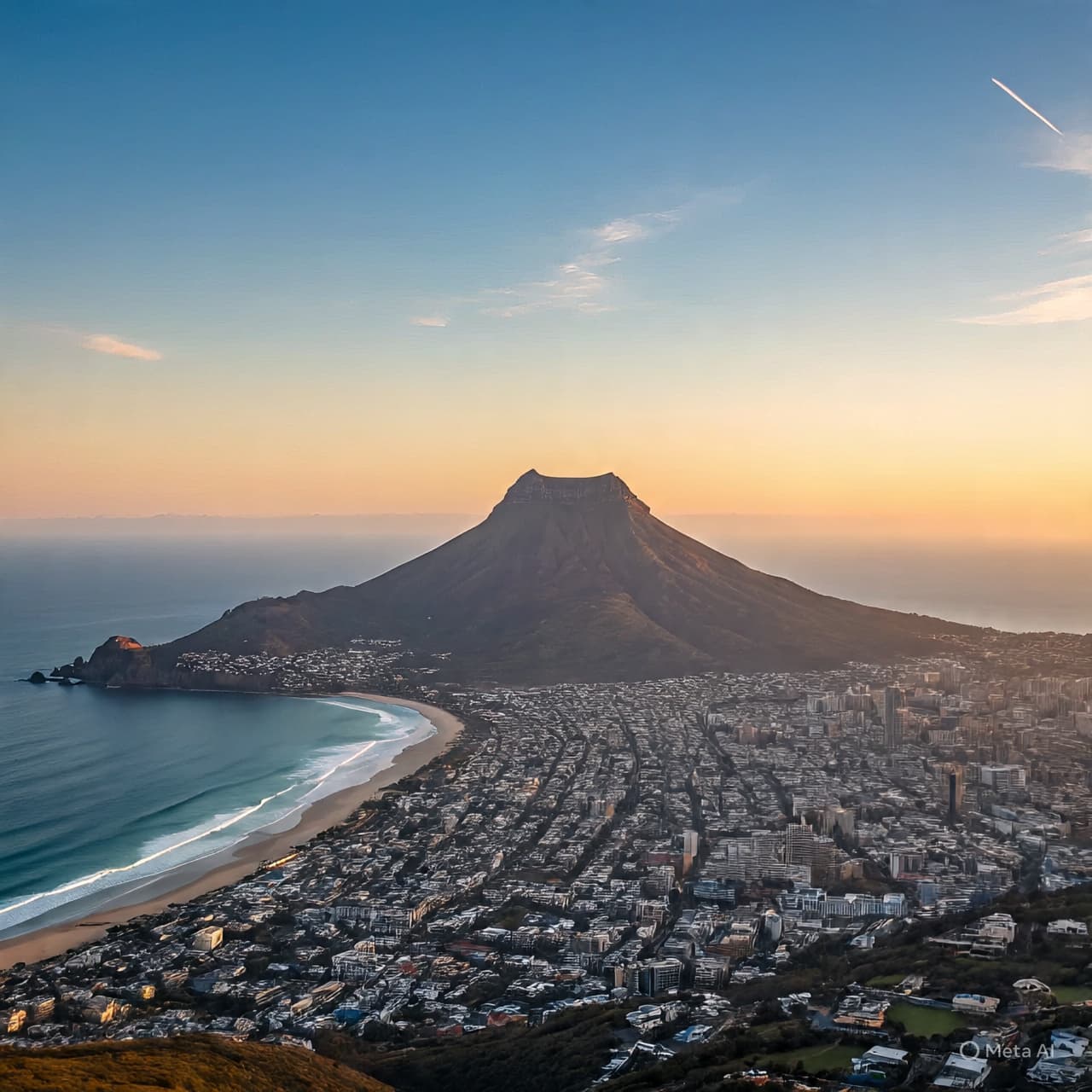
Cape Town, a city nestled between the ocean and mountains, is undergoing a significant transformation in its approach to essential services. As dawn breaks, the city awakens to the hum of buses and the lifting of shop shutters, but an underlying question persists: will today be marked by stability or uncertainty? This question is particularly poignant in light of the ongoing electricity shortages and water management challenges that have plagued South Africa for years.
In response to these challenges, Cape Town is increasingly turning to private-sector partnerships to bolster its electricity generation and water supply. The city is seeking alternatives to the strained national systems that have long dictated daily life. Electricity shortages have become a familiar backdrop, with load shedding schedules disrupting routines and altering business operations. The psychological toll of these outages is significant, leading to a gradual erosion of certainty among residents and businesses alike.
To combat this, Cape Town has begun purchasing power from independent producers, tapping into solar and wind projects while also developing small-scale embedded generation within its municipal boundaries. This new phase of energy procurement is marked by an acceleration of processes, with city planners negotiating longer-term power purchase agreements and encouraging private developers to expedite project timelines. The integration of battery storage and flexible generation aims to provide a buffer when the national grid falters, ensuring a more reliable energy supply.
Water management in Cape Town is equally critical, shaped by the haunting memory of the 2018 water crisis, known as "Day Zero," when dam levels plummeted dangerously low. Although conservation efforts and improved rainfall have alleviated immediate concerns, the city recognizes the need for a more resilient water supply strategy. As a result, Cape Town is actively seeking private investment for desalination facilities, water reuse plants, and expanded groundwater extraction. This multifaceted approach aims to diversify water sources and mitigate the risks associated with reliance on surface water alone.
City officials describe this strategy as pragmatic, maintaining that the municipality will remain the planner, regulator, and buyer of essential services. Private companies will provide the necessary infrastructure, capital, and technical expertise, while ensuring that electricity grids and water networks remain publicly owned. Contracts are designed to prioritize affordability and oversight, reflecting South Africa's complex relationship with privatization and the historical context of essential services.
Critics of this approach express concerns that profit motives could overshadow social obligations, while supporters argue that without new partnerships and funding, stagnation could lead to further exclusion. Cape Town's experiment in private participation exists within this tension, balancing the ideal of a robust public system against the realities of aging infrastructure and constrained budgets.
For residents and businesses, the implications of these changes are significant. Increased local generation could lead to fewer outages and greater predictability, fostering an environment conducive to economic growth. Similarly, a more diverse water supply could help cushion the city against future droughts, alleviating the anxiety that once drove residents to hoard bottled water during crises.
However, the realization of these projects is not instantaneous. They must navigate environmental assessments, financing negotiations, and regulatory approvals, with timelines extending over several years. While setbacks are likely, the direction is clear: Cape Town is not seeking to sever ties with national systems but rather to construct a supplementary framework that prioritizes resilience and adaptability.
As the sun sets and lights flicker on across the city, Cape Town's quiet transformation remains largely unnoticed. Yet beneath the familiar skyline, new relationships between public ambition and private capacity are emerging, embodying a patient proposition: a city does not always wait for certainty to arrive; sometimes, it begins constructing it.
Published by Banx Network. This article is part of the Banx decentralized media programme, powered by the BXE token on the XRP Ledger.



