The wide, protected waters of Apra Harbor have long served as a maritime sanctuary on Guam’s western coast, where the massive concrete arms of the breakwater shield vessels from the raw, unyielding energy of the open Pacific. Within this sprawling lagoon, the daily choreography of seafaring moves with a predictable precision—naval transports gliding toward deep-water berths, container ships unloading the island’s lifeblood, and small recreational boats darting across the glass-like surface. For local mariners, the harbor represents a safe and inviting playground, a place where the proximity of the shore offers an assumption of continuous security. It is a landscape defined by an ancient relationship with the sea, where the water is expected to accommodate human leisure and commerce alike.
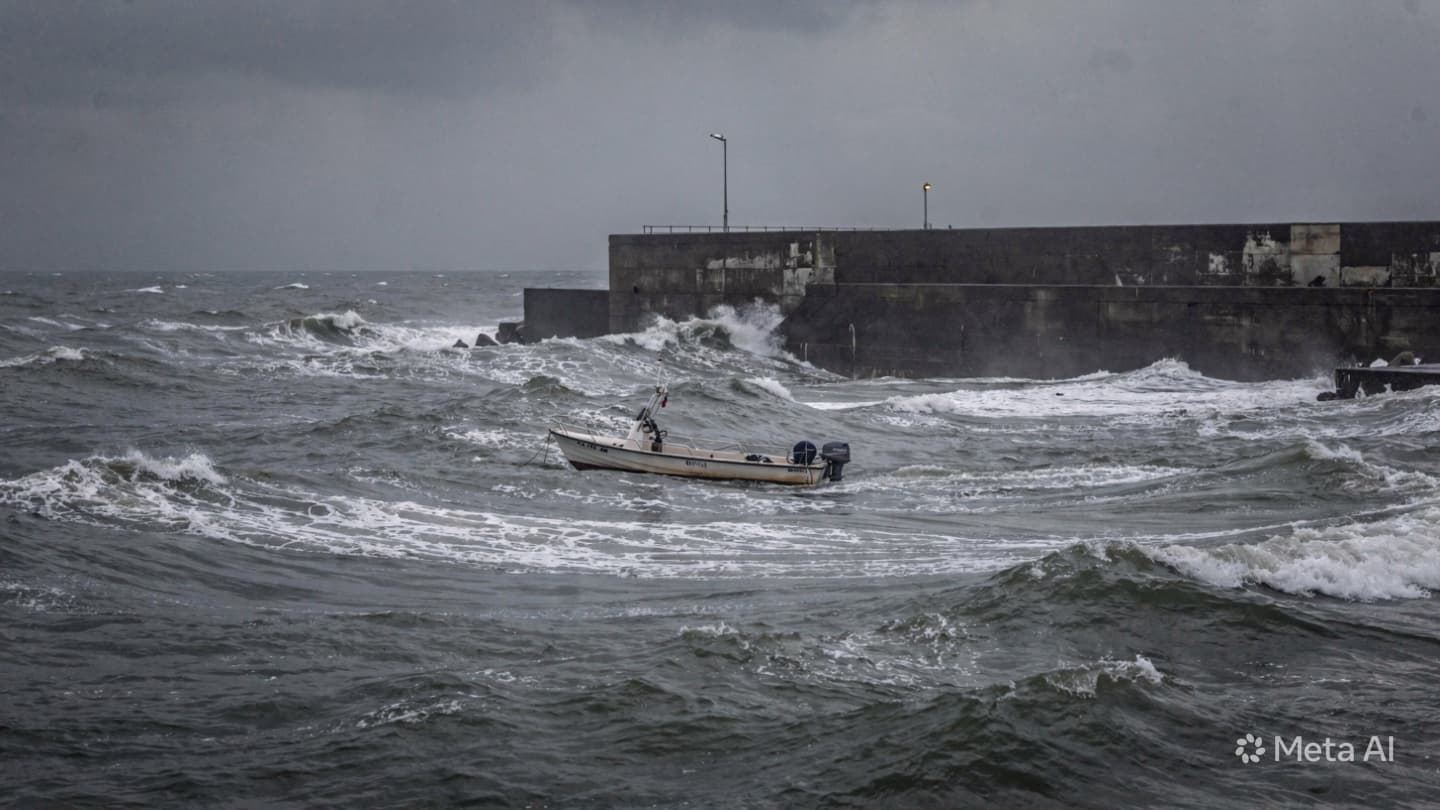
Yet, beyond the immediate shelter of the inner basin, where the harbor mouth opens to the vast expanse of the ocean, the boundary between safety and peril can dissolve in a single, volatile shift of the tide. Following a sudden atmospheric disturbance that sent high, rolling swells cascading across the outer reef, the sea within the channel transformed into an unpredictable arena of steep waves and conflicting currents. A small recreational boat, navigating the margins of the harbor entrance, was abruptly caught by an exceptionally heavy crest that lifted its hull past the point of stability. In a matter of seconds, the vessel capsized, casting its occupants into the churning, foam-flecked brine and transforming an afternoon of leisure into an immediate struggle for survival.
The capsizing of a watercraft carries a sudden, cold finality, reducing a complex machine to a floating fragment of fiberglass turning lazily in the surf. For those in the water, the world narrowed instantly to the rhythmic rise and fall of the waves, the salt sting of the spray, and the distant, unyielding line of the concrete cliffs. There is an immense, isolating vulnerability in a maritime emergency; the vastness of the water absorbs sound and motion, rendering the cries of those stranded nearly invisible against the background roar of the breaking swells. As the overturned hull began to drift toward the jagged rocks of the breakwater, the margin for error disappeared entirely beneath the heavy movement of the tide.
The alert triggered an immediate and highly coordinated deployment of maritime rescue assets, with local harbor craft, Coast Guard units, and emergency swimmers mobilizing against the clock and the worsening sea state. High-speed rescue vessels cut through the chop with a focused, mechanical urgency, their powerful engines roaring as they navigated the debris-strewn waters near the harbor mouth. The work of recovery in a turbulent channel requires a delicate balance of technical skill and profound calm, as responders must position their craft close enough to pick up survivors without running aground on the nearby shoals. Every minute spent searching the troughs of the waves was measured against the cooling effects of the water on the human frame.
Emergency personnel moved methodically through the search zone, their bright orange vests cutting through the grey mist of the spray as they spotted the stranded boaters clinging to floating cushions and the remains of the superstructure. One by one, the individuals were lifted from the cold current by strong hands that knew the dangerous moods of the channel intimately, their physical safety secured even as their vessel sank lower into the swells. The extraction was carried out with a silent efficiency, a testament to the continuous training and readiness of the island’s maritime safety networks. Emerging from the harbor mouth into the secured inner basin, the survivors were met by waiting medical teams, their skin cold but their ordeal safely concluded.
The geography of Apra Harbor, with its deep navigation channels bordered by shallow coral flats, creates a natural bottleneck where high surf can accumulate and form hazardous standing waves during periods of offshore weather. Safety analysts have frequently noted that recreational mariners often underestimate the speed with which conditions can deteriorate near the outer breakwater, where the open ocean current collides with the harbor’s outflow. The incident has prompted regional safety officials to reissue warnings regarding life jacket compliance and vessel weight limits within the volatile entry corridors. It was a stark reminder that even the most secure harbors retain an untamed sovereignty, demanding absolute respect from all who cross their thresholds.
By late afternoon, the immediate rescue operation had transitioned into the logistical task of marking the capsized vessel to prevent it from becoming a navigation hazard to the heavy commercial shipping that uses the channel. The ocean continued to churn aggressively under an overcast sky, its waves tossing the remaining fragments of light gear against the rocks, hiding the drama that had unfolded just hours before under a smooth, gray surface. The local community watched the successful conclusion of the mission with a quiet satisfaction born of long experience with the sea’s unpredictable nature. The rescue was a quiet triumph for public safety, a demonstration of resilience against an indifferent element.
The harbor will remain open, the small boats will return to the water when the swells moderate, and the shipping lines will continue their continuous service to the island. But the memory of the afternoon the wave claimed the hull will linger in the calculations of every captain who steers past the breakwater light. For now, the outer channel rests under a watchful, guarded monitoring, its moving waters a constant reminder of the fragile contract between humanity and the deep.
In straight news terms, an emergency maritime rescue operation was successfully executed in Apra Harbor after high waves capsized a small recreational boat near the outer channel entrance. Responding emergency units and Coast Guard personnel extracted all occupants from the water without serious injury or fatality. Local authorities have secured the area and issued a temporary notice to mariners regarding the semi-submerged hull while investigating the precise environmental factors that led to the incident.
Published by Banx Network. This article is part of the Banx decentralized media programme, powered by the BXE token on the XRP Ledger.