
Key Highlights
- Discovery:Archaeologists unveil ancient inscriptions in the Mediterranean.
- Insights:Findings reveal daily life and beliefs of citizens over 2,000 years ago.
- Preservation:Experts utilize 3D laser scanning to protect delicate markings.
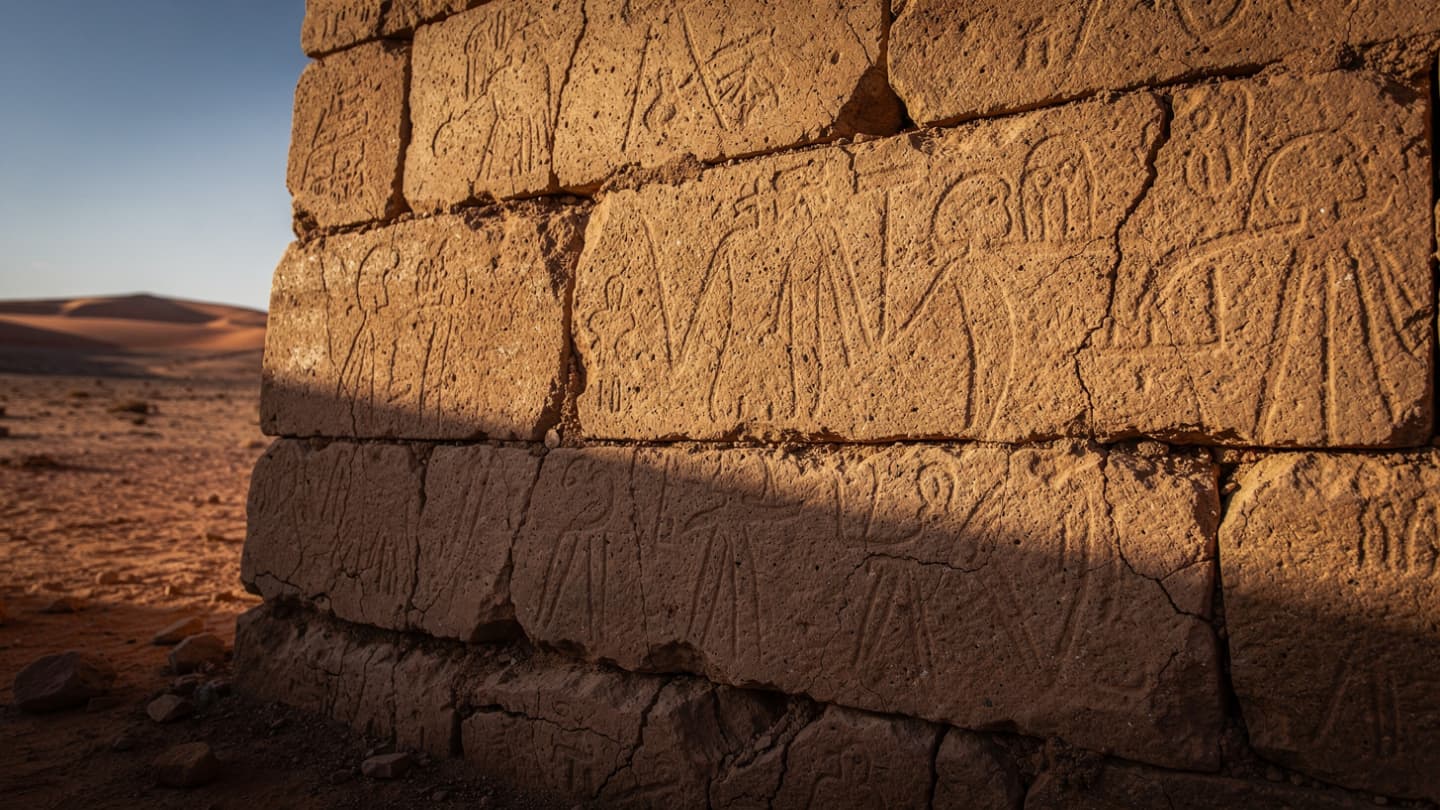
Recent archaeological efforts have led to a remarkable discovery in the Mediterranean region, where a team of international researchers has uncovered previously unknown inscriptions and drawings etched into the walls of an ancient structure. These carvings, believed to date back over two millennia, offer a rare glimpse into the daily lives and personal beliefs of the common citizens of that era, challenging the traditional narratives often dominated by the accounts of the elite.
The inscriptions, which include personal prayers, sketches, and even humorous notes, serve as a bridge connecting modern observers to the thoughts and experiences of individuals from a distant past. This discovery highlights the importance of recognizing the voices of ordinary people in history, as their stories often remain overshadowed by grand tales of kings and conquests.
As archaeologists meticulously document these findings, they are employing advanced 3D laser scanning technology to preserve the delicate markings. This innovative approach not only safeguards the inscriptions from environmental erosion but also allows for detailed analysis and study. The technology captures the intricate details of the carvings, ensuring that future generations can access and learn from these historical artifacts.
The significance of these inscriptions extends beyond mere historical curiosity; they provide insights into the cultural and social dynamics of the time. For instance, the presence of personal prayers suggests a deep spiritual life among the citizens, while playful sketches indicate a sense of humor and creativity that transcends time. Such findings encourage a more nuanced understanding of ancient societies, emphasizing that they were composed of individuals with diverse experiences and emotions.
Moreover, the preservation of these inscriptions raises important questions about the legacy we leave behind. In an age where digital records can be easily lost or erased, the permanence of stone serves as a reminder of the enduring nature of human expression. The challenge lies in ensuring that our contemporary marks—whether they be physical structures or digital footprints—are worthy of the legacy we hope to leave.
As the sun sets over the excavation site, casting long shadows across the ancient stones, the carvings seem to come alive, inviting observers to reflect on the shared human experience that spans millennia. The stones, silent yet eloquent, speak to our innate desire to connect, create, and be remembered.
In conclusion, the discovery of these ancient inscriptions not only enriches our understanding of the past but also serves as a call to action for modern society. We are the curators of history, tasked with preserving the stories etched into the fabric of our world. By studying these silent witnesses, we gain valuable insights into our own humanity and the timeless quest for connection and meaning.
Published by Banx Network. This article is part of the Banx decentralized media programme, powered by the BXE token on the XRP Ledger.



