
Key Highlights
- Modernization:Flacq Regional Hospital upgrades diagnostic and intensive care units.
- Advanced Technology:New equipment enhances patient care and reduces travel.
- Community Impact:Local families benefit from improved healthcare access.
Flacq, a bustling district known for its diverse neighborhoods and agricultural landscapes, is home to the Flacq Regional Hospital, a vital healthcare institution serving hundreds of thousands. This facility has long faced the challenges of high patient volumes and resource constraints, but recent upgrades aim to transform its service delivery and enhance patient outcomes.
In response to the growing healthcare demands, hospital administrators have initiated a comprehensive modernization of the hospital's diagnostic and intensive care units. The introduction of cutting-edge medical technology, including advanced imaging systems and automated lab analyzers, marks a significant shift in the hospital's operational capabilities. This modernization not only improves the efficiency of care but also elevates the overall standard of medical services available to the community.
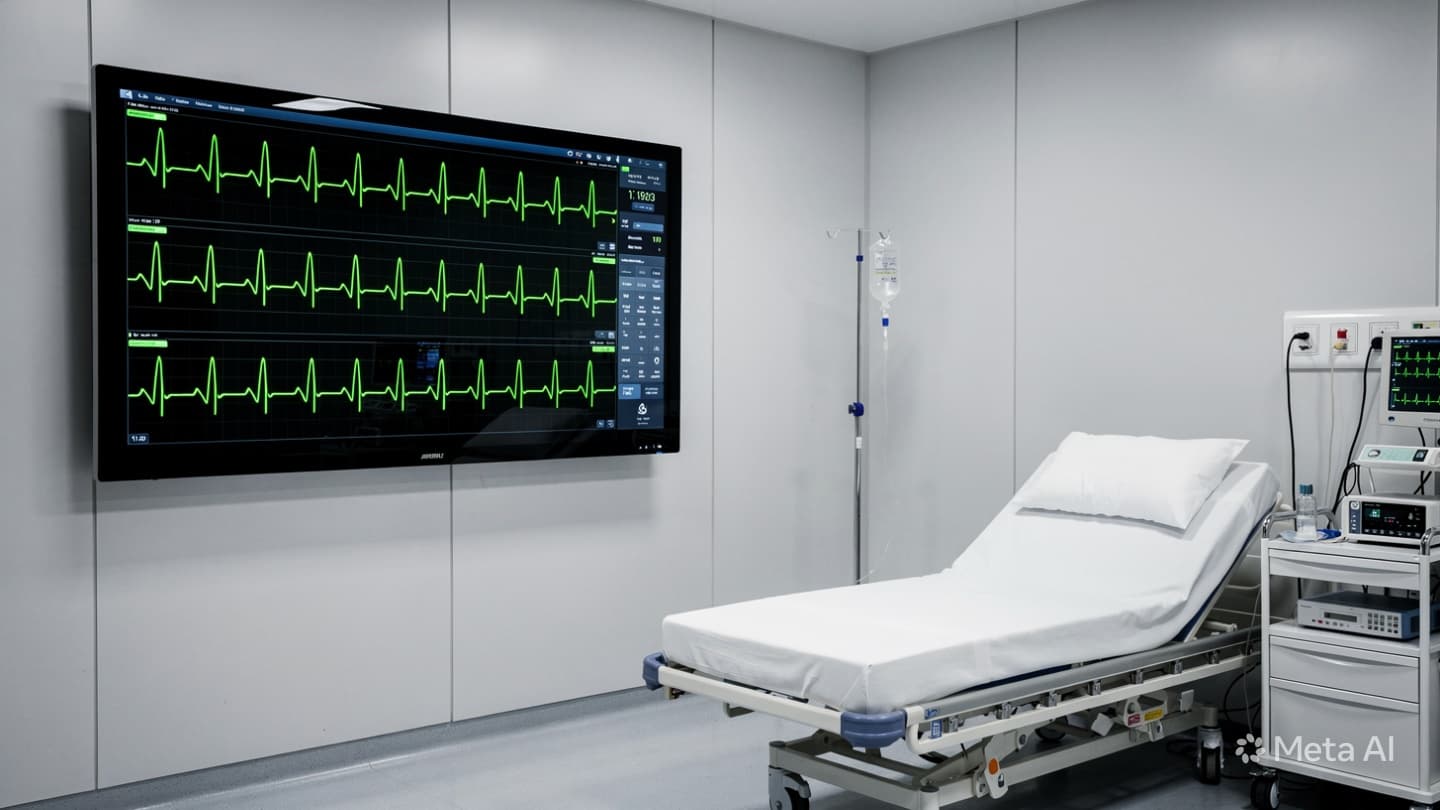
Walking through the newly upgraded wards reveals a stark contrast to the past. The outdated machinery has been replaced with high-definition diagnostic screens and real-time monitoring systems, creating a more efficient and precise healthcare environment. Medical professionals are now equipped with tools that allow them to track vital signs and process lab results much faster than before, enhancing their ability to respond to patient needs promptly.
The introduction of these advanced technologies brings a sense of reassurance to families in Flacq, who previously had to travel significant distances to access specialized medical services. The ability to receive timely and accurate diagnoses within their own community alleviates the logistical burdens and emotional stress associated with medical emergencies. This localization of care is crucial for families facing acute health crises, as it allows for quicker intervention and treatment.
Moreover, the upgrades have a profound impact on the hospital's clinical capacity and staff morale. Healthcare professionals now have access to real-time data that supports more accurate risk assessments and tailored treatment plans. This integration of modern tools fosters a culture of continuous learning and professional development, attracting skilled medical personnel to the region and enhancing the overall quality of care.
However, the transition to advanced technology is not without its challenges. It requires ongoing training for staff and rigorous maintenance protocols to ensure the reliability of the new equipment. Local biomedical engineers collaborate with international experts to calibrate sensitive instruments and maintain backup power systems, safeguarding the hospital's operations against potential disruptions.
As night falls and the hospital settles into its evening routines, the significance of these upgrades becomes evident. The facility stands as a beacon of health and safety, equipped to combat the rising tide of chronic and acute diseases in the district. The staff, confident in their new tools, navigate the corridors with purpose, knowing they are better prepared to serve their community.
Looking ahead, the long-term health resilience of Flacq will hinge on continued investment in these technological advancements and the expansion of the regional healthcare infrastructure. As the hospital administration plans future developments, the community remains hopeful, trusting that their local healthcare system is evolving to meet the highest standards of modern medicine.
Published by Banx Network. This article is part of the Banx decentralized media programme, powered by the BXE token on the XRP Ledger.



